
Understanding the Early Stages of Gum Inflammation
Understanding the Early Stages of Gum Inflammation
Understanding the Early Stages of Gum Inflammation: Last Updated: September 15, 2026 · 8 min read
Many people assume gum problems begin when bleeding becomes obvious. In reality, early gum inflammation can develop quietly before noticeable discomfort appears.
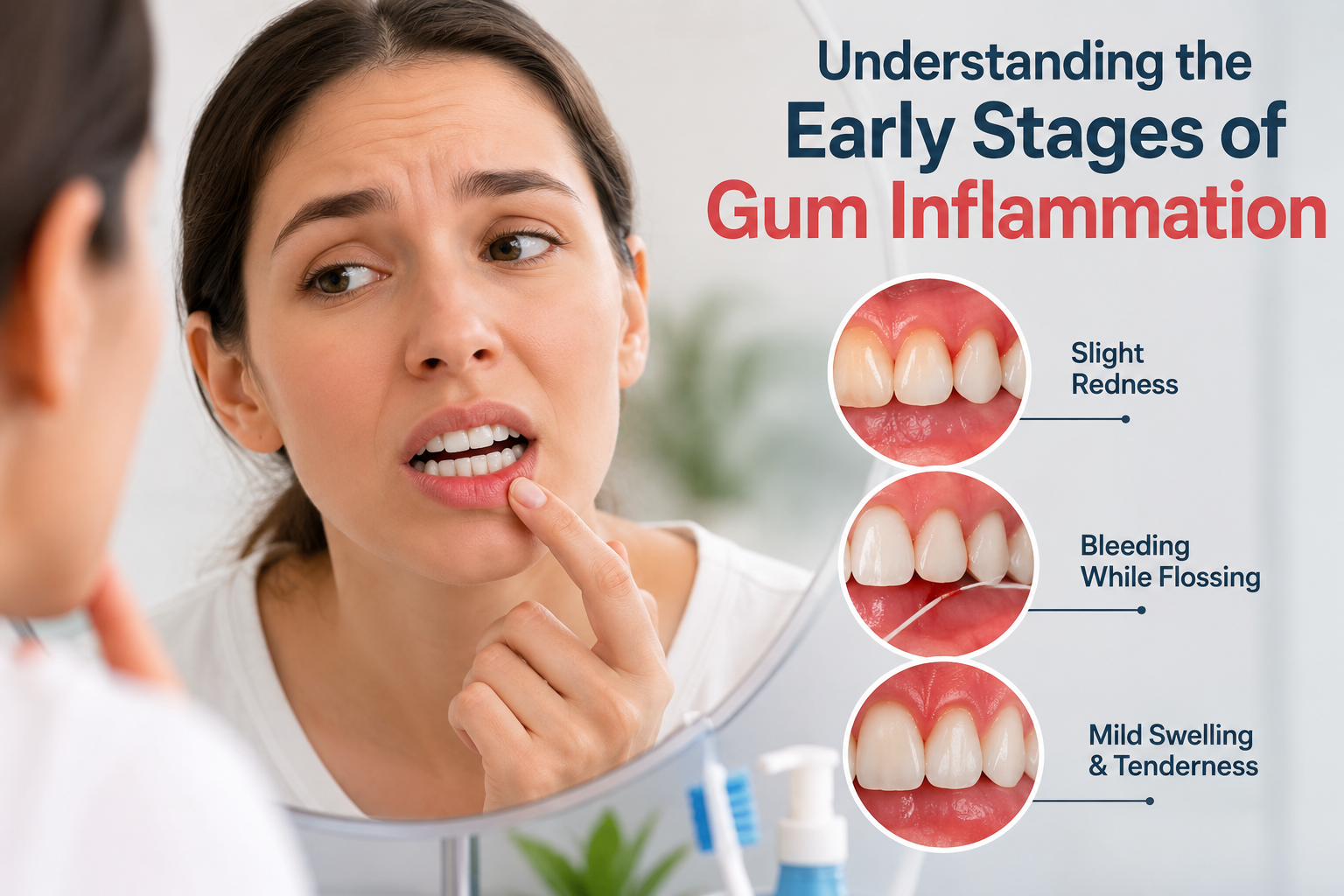
Gums may look mostly normal during the early stages. However, subtle changes such as redness, mild tenderness, or occasional bleeding can indicate that inflammation has started.
This early stage is often associated with plaque accumulation along the gumline. Because the symptoms can be mild, they are easy to overlook.
Understanding how gum inflammation develops can help people recognize early warning signs. It can also encourage better daily oral care and timely professional evaluation.
What Is Gum Inflammation?
Gum inflammation refers to the body’s response to irritation or bacterial accumulation around gum tissue.
When bacteria collect around the teeth and gumline, the immune system responds to the irritation. Increased blood flow and other inflammatory processes can then produce visible changes in the gums.
Research from NCBI and related clinical resources identifies bacterial plaque as a major factor associated with early gum inflammation.
In its early stages, inflammation can often improve when plaque accumulation is controlled through effective oral hygiene.
When plaque remains around the teeth for extended periods, inflammation can continue. Over time, this may contribute to more significant gum problems.
How Early Gum Inflammation Develops
Understanding how inflammation develops can explain why small amounts of plaque may affect gum health.
The Formation of Oral Biofilm
The process begins with a thin bacterial layer called oral biofilm.
Within hours after brushing, bacteria naturally attach to tooth surfaces. They then begin forming organized communities that contribute to plaque development.
Readers interested in this process can explore oral biofilm explained: how plaque forms on teeth and gums to learn how bacterial communities develop and mature on oral surfaces.
As plaque matures, bacteria release substances that can irritate nearby gum tissue.
Why the Gumline Is Especially Vulnerable
The area where teeth and gums meet creates favorable conditions for plaque retention.
The gumline contains small spaces that can be more difficult to clean than smooth tooth surfaces.
This helps explain why plaque often collects around the gumline. The article why plaque builds up near the gumline explores the factors that make this area particularly prone to bacterial accumulation.
The Body’s Inflammatory Response
When bacterial byproducts irritate gum tissue, the immune system responds.
Blood vessels may expand slightly. White blood cells move toward affected tissues. Fluid levels around the gums may also increase.
These protective processes can produce symptoms such as redness, swelling, and tenderness.
Inflammation itself is part of the body’s natural defense system. The concern arises when the source of irritation continues over time.
Early Signs of Gum Inflammation
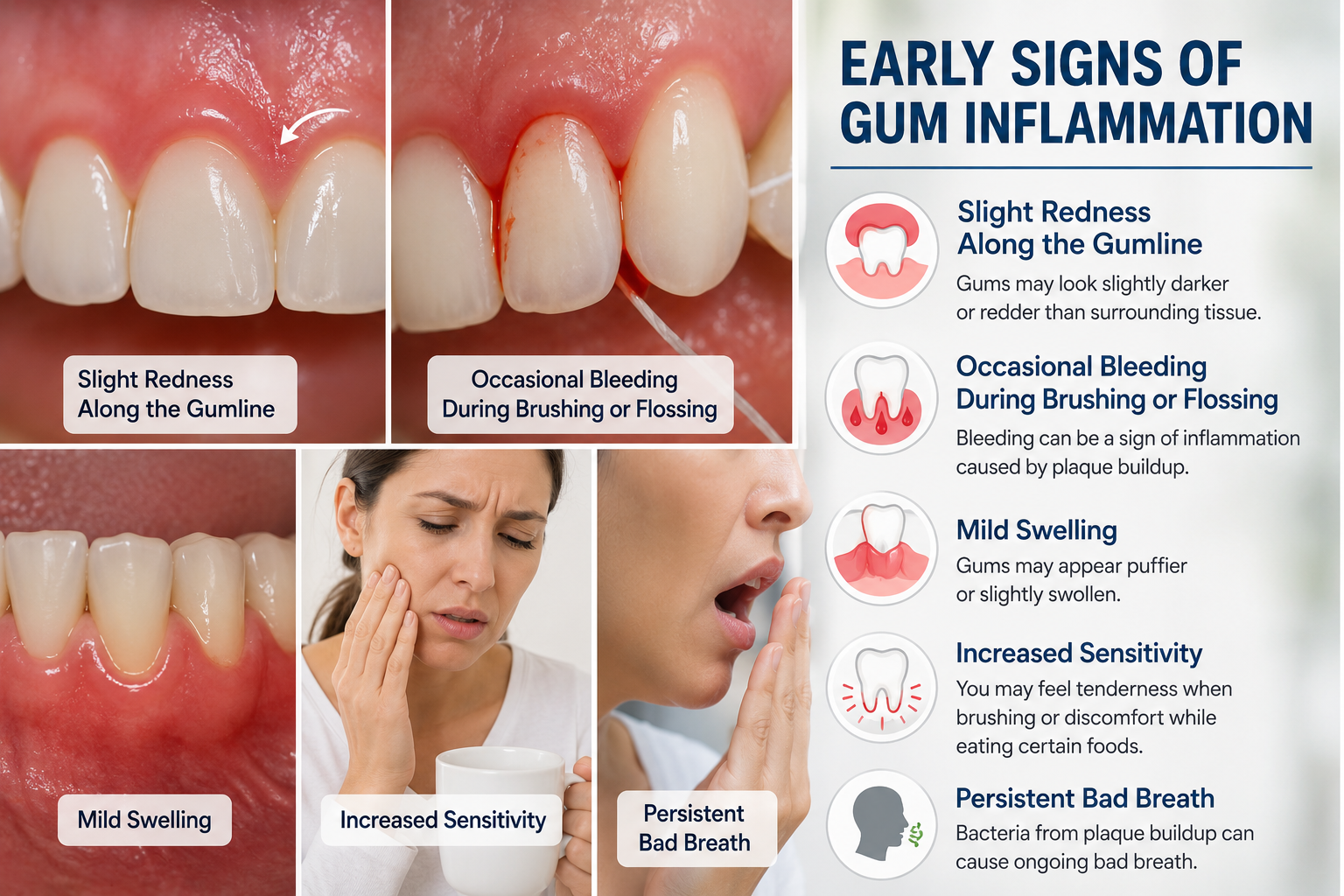
One reason early gum inflammation can go unnoticed is that the symptoms are often subtle.
Slight Redness Along the Gumline
Healthy gums are generally firm and pink, although normal coloration varies between individuals.
Inflamed areas may appear slightly darker or redder than surrounding gum tissue.
Comparing your gums with what healthy gums usually look like can help you recognize changes in color, shape, and overall appearance.
Occasional Bleeding During Brushing or Flossing
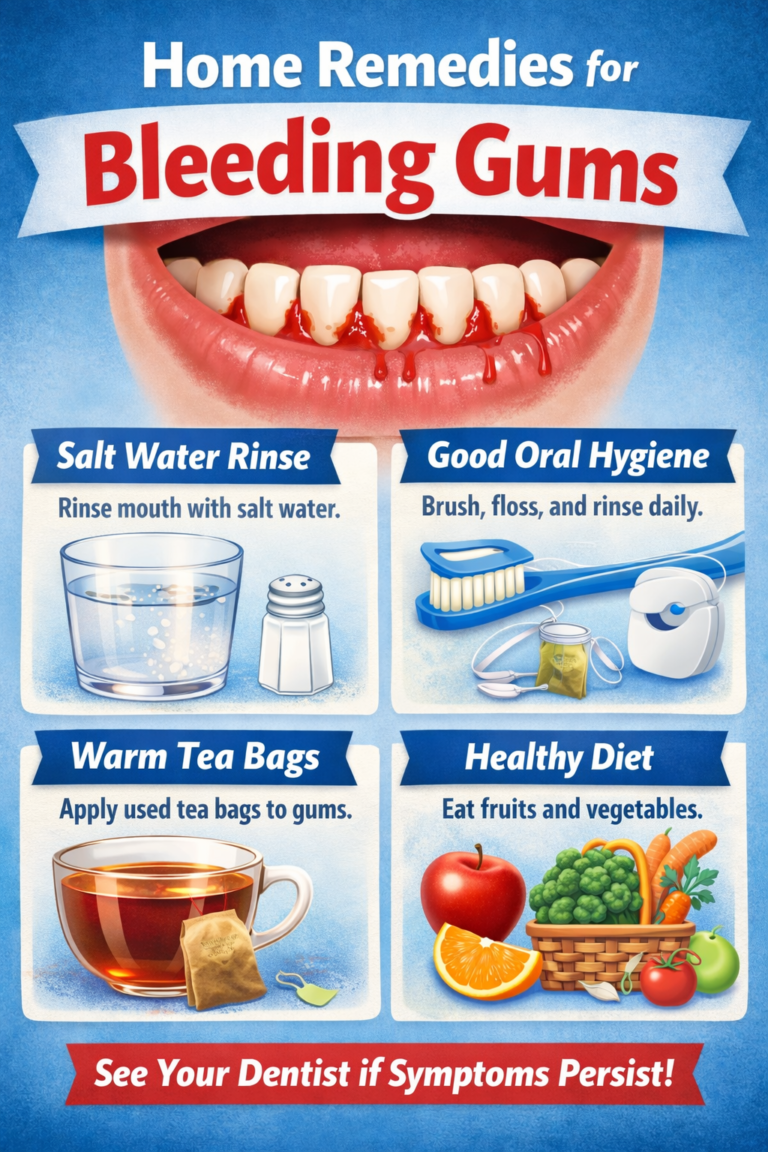
Some people reduce flossing when their gums bleed. Gentle, consistent cleaning can instead help remove plaque from areas between the teeth.
Occasional bleeding may indicate that gum tissue is reacting to plaque and irritation.
If bleeding continues regularly, a dental examination can help identify the underlying cause.
Mild Swelling
Inflamed gums may appear slightly puffier than usual.
The change can be subtle and may require close inspection to recognize.
Increased Sensitivity
Some individuals experience tenderness while brushing near the gumline. Certain foods or drinks may also make the area feel more sensitive.
Sensitivity alone does not confirm gum inflammation. However, it can occur alongside other changes in gum health.
Persistent Bad Breath
Bacterial activity associated with plaque can contribute to unpleasant breath odors.
Bad breath has several possible causes. Persistent odor combined with gum symptoms can be a useful reason to pay closer attention to oral health.
Common Mistakes That May Contribute to Early Gum Inflammation
Many people brush every day and still experience gum inflammation.
The difference may involve brushing technique, cleaning consistency, or areas that receive limited attention.
Missing the Gumline
The gumline is one of the areas people commonly overlook during brushing.
Many people focus on visible tooth surfaces while giving less attention to the narrow area where the teeth and gums meet.
Brushing Too Aggressively
More brushing pressure does not necessarily produce better cleaning.
Gentle brushing can effectively clean the teeth while reducing unnecessary mechanical irritation of gum tissue.
Inconsistent Flossing
Plaque between the teeth can remain when interdental cleaning is skipped.
These hard-to-reach areas may provide favorable conditions for bacterial accumulation.
Waiting for Symptoms
Early gum inflammation often produces mild symptoms.
Waiting until pain develops can delay attention to changes in gum health. Regular observation and consistent oral hygiene provide a more proactive approach.
Practical Ways to Support Healthier Gums
The goal is consistent plaque control rather than perfect oral care.
Small daily habits can make gum care easier to maintain over the long term.
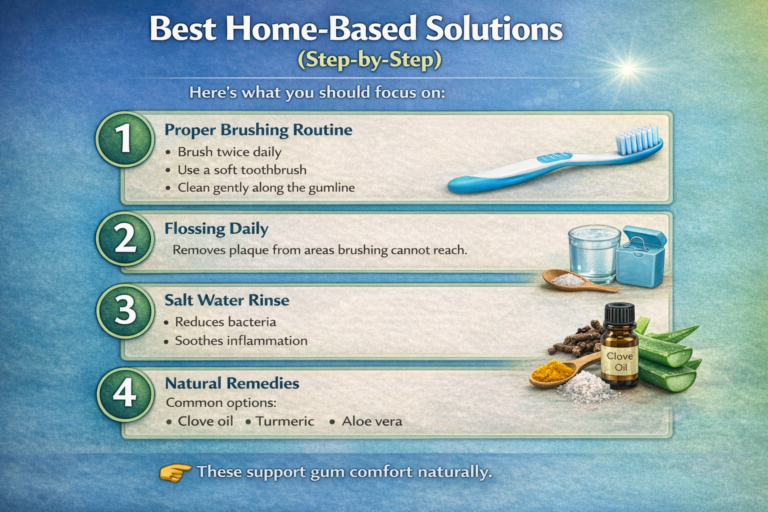
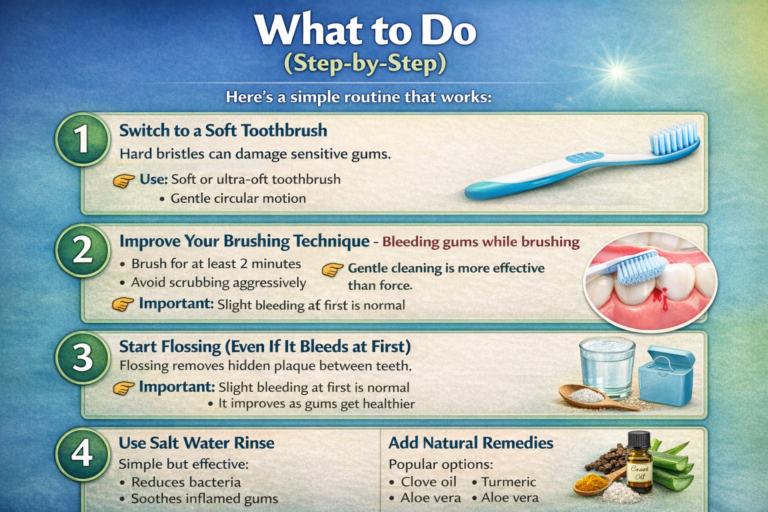
Improve Gumline Cleaning
Positioning toothbrush bristles at a slight angle toward the gumline can improve plaque removal.
Gentle circular movements can provide effective cleaning without excessive pressure.
Use Interdental Cleaning Daily
Floss, interdental brushes, or water flossers can help remove plaque from areas a toothbrush cannot easily reach.
Daily interdental cleaning is especially useful around crowded teeth and other difficult-to-clean spaces.
Schedule Regular Dental Cleanings
Professional cleanings can remove hardened deposits that regular brushing cannot eliminate.
Routine dental visits also give professionals an opportunity to monitor changes in gum condition.
Evaluate Daily Habits
Smoking, inconsistent oral hygiene, frequent sugary foods, and other lifestyle factors can influence plaque accumulation and gum health.
Reviewing these habits can help identify areas where simple improvements may support a healthier mouth.
Build Sustainable Routines
Readers looking for practical long-term strategies can explore how to maintain healthy gums: simple daily habits for better oral health for additional guidance on daily behaviors that support gum health.
What Is Dental Pro 7?
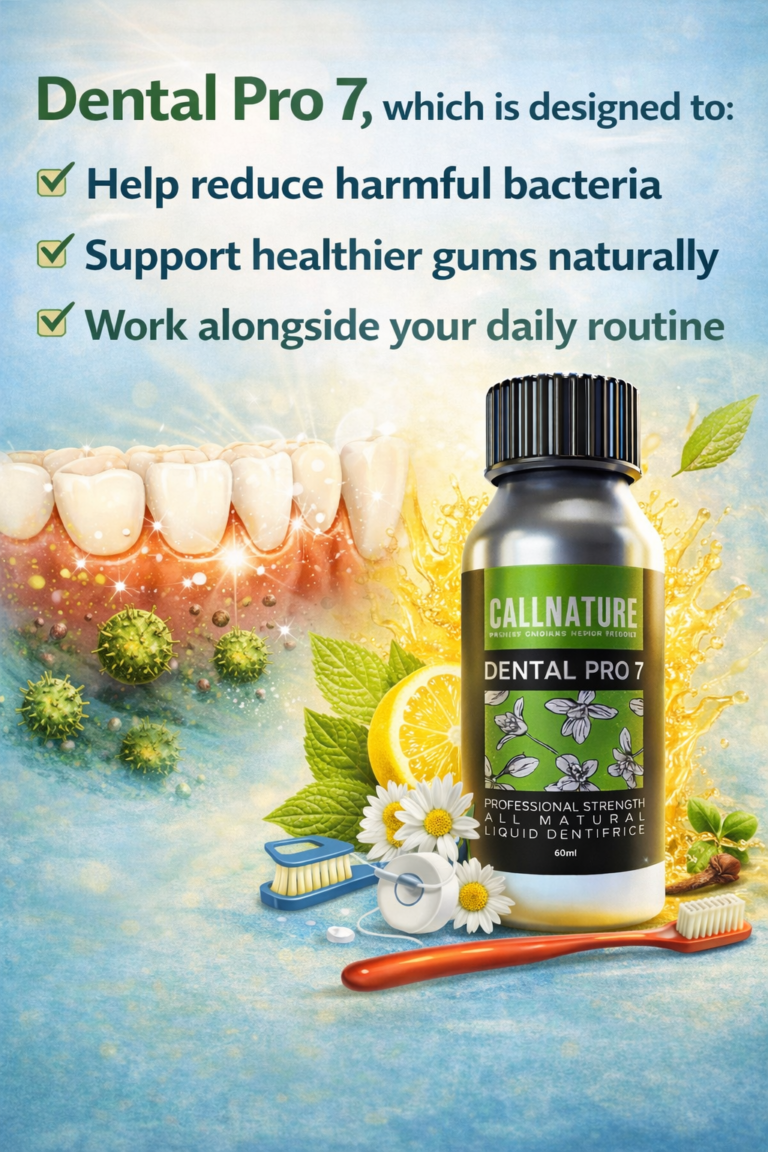
Dental Pro 7 is a natural oral care solution marketed to support oral cleanliness and gum health.
The product uses concentrated botanical oils and is positioned as an additional option for people interested in natural approaches to daily oral care.
Its oil-based formulation differs from many conventional water-based oral care products.
The manufacturer presents Dental Pro 7 as a professional-strength oral care solution designed to support teeth and gums.
Readers who want a broader overview can explore the Dental Pro 7 Review: Benefits, Ingredients, Pros & Cons to compare its formulation, intended benefits, advantages, and considerations before use.
Looking for Additional Gum Health Support?
Dental Pro 7 is designed to complement daily oral hygiene by supporting oral cleanliness and a healthy gum environment.
👉 Explore Dental Pro 7 and learn how it may fit into your daily oral care routine.
Get Dental Pro 7 and view the current product details
How Dental Pro 7 May Fit Into a Gum Care Routine
Healthy gums depend on consistent plaque management, gentle brushing, interdental cleaning, and professional dental care.
Dental Pro 7 can be considered as an additional product within this broader routine.
Its botanical oil formulation is marketed to support oral cleanliness and gum health.
Supporting Oral Bacterial Balance
The mouth naturally contains many different microorganisms.
Maintaining good oral hygiene helps manage plaque and supports a balanced oral environment.
Dental Pro 7 contains concentrated botanical oils that are marketed for antimicrobial support. This approach may complement regular brushing and interdental cleaning.
Understanding the Dental Pro 7 Formula
The ingredients and formulation are important considerations when choosing an oral care product.
Readers who want more detail can explore the Dental Pro Seven natural gum health solution to learn about its botanical approach, intended benefits, and recommended use.
Oil-Based Oral Care
Dental Pro 7 uses an oil-based formulation rather than a conventional water-based rinse.
During use, the formula comes into contact with oral surfaces. Brushing also provides physical removal of plaque and debris.
Supporting the Gumline
The gumline requires careful cleaning because plaque can collect where teeth and gums meet.
Gentle brushing and regular interdental cleaning can help maintain cleanliness around this important area.
For readers interested in the product’s positioning, the Dental Pro 7 professional-strength natural dental solution provides additional information about its approach to teeth and gum care.
Can Oral Probiotics Play a Role?
Emerging research continues to examine how oral probiotics may influence the balance of microorganisms in the mouth.
Probiotics can complement a broader oral hygiene routine. Brushing, interdental cleaning, and professional dental care remain important foundations of gum health.
Readers interested in this topic can explore Dental Pro 7 for gum health: how oral probiotics may support healthier gums for additional information about oral microbiome support.
Educational Note
Some people interested in oral microbiome support choose to learn more about Dental Pro 7 and its approach to daily oral care.
Individual experiences can vary. Professional guidance can also help when evaluating persistent gum symptoms or other oral health concerns.
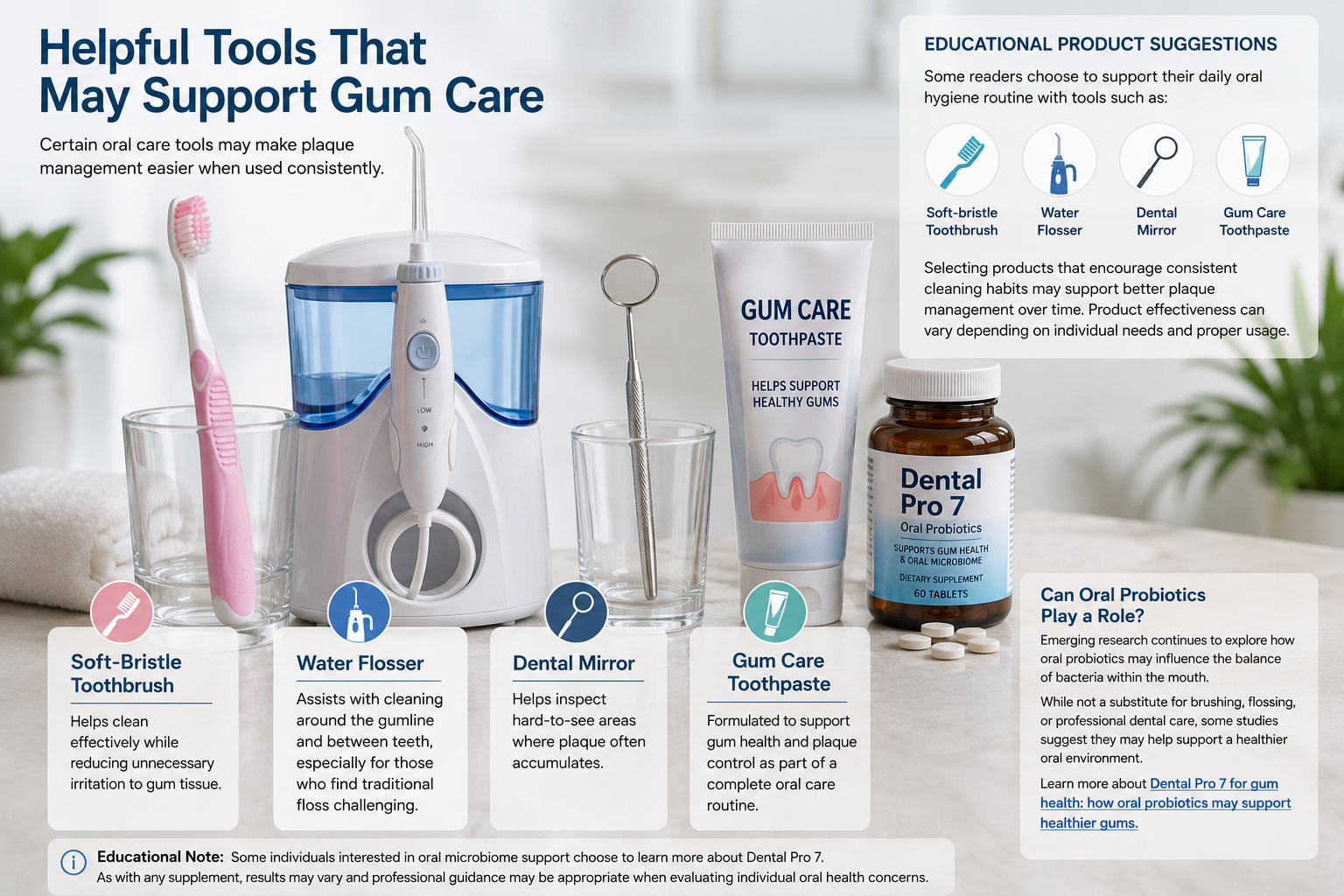
Helpful Tools That May Support Gum Care
Certain oral care tools can make plaque management easier when they are used consistently.
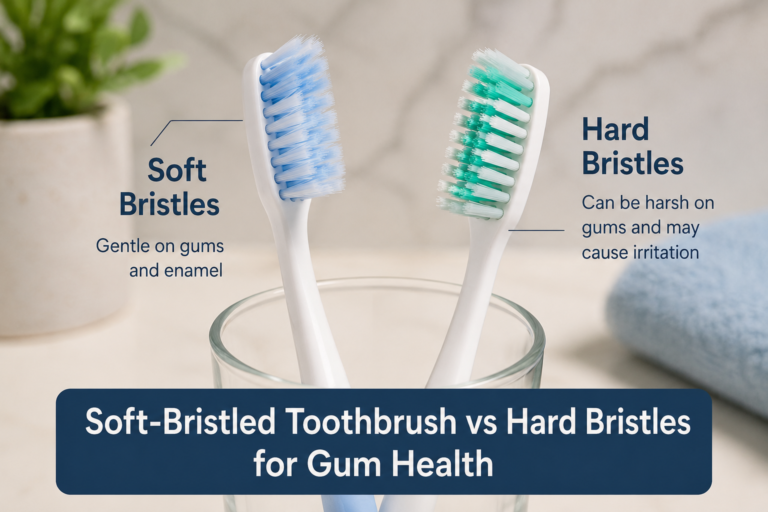
Soft-Bristle Toothbrush
A soft-bristle toothbrush can provide effective cleaning while reducing unnecessary irritation to gum tissue.
Water Flosser
Water flossers may assist with cleaning around the gumline and between teeth. They can be especially useful for people who find traditional floss difficult to use.
Dental Mirror
A dental mirror can help people inspect areas that are difficult to see during normal brushing.
Gum Care Toothpaste
Some toothpaste formulations are designed to support gum health and plaque control as part of a comprehensive oral hygiene routine.
Educational Product Suggestions
Some readers choose tools that support consistent oral hygiene, including:
- Soft-bristle toothbrushes
- Water flossers
- Dental mirrors
- Gum-care toothpaste
Choosing practical tools can make daily cleaning easier. Proper technique and consistent use remain important factors.
When Should You See a Dental Professional?
Early evaluation can be useful when gum symptoms continue despite consistent home care.
Consider scheduling a dental examination if you notice:
- Recurrent bleeding gums
- Persistent swelling
- Ongoing tenderness
- Gum recession
- Chronic bad breath
- Loose teeth
Professional assessment can help identify gum disease and other conditions that require targeted care.
Early attention can also help protect gum tissue and maintain the structures supporting the teeth.
FAQ
Can gum inflammation improve with better oral hygiene?
Mild inflammation may improve when plaque accumulation is reduced through effective oral hygiene.
Consistent brushing, interdental cleaning, and professional care can support healthier gums.
Is bleeding while flossing normal?
Occasional bleeding may indicate irritated or inflamed gum tissue.
Gentle, consistent flossing can help improve plaque control. Persistent bleeding deserves professional evaluation.
How quickly can gum inflammation develop?
Plaque begins forming within hours after brushing.
Inflammation can develop when plaque remains around the teeth and gumline for an extended period.
Does gum inflammation always hurt?
Early gum inflammation can develop with little discomfort.
This is why regular oral hygiene and routine dental examinations are useful even when the mouth feels comfortable.
Can a water flosser replace traditional floss?
Water flossers can be useful for some individuals.
The most suitable interdental cleaning method depends on personal needs, tooth spacing, gum condition, and professional dental guidance.
What color should healthy gums be?
Healthy gums are often described as firm and pink.
However, natural gum color varies among individuals. Changes from your usual appearance can be worth discussing with a dental professional.
About the Author
Author: Dental Pro 7 Ingredients Editorial Team
The Dental Pro 7 Ingredients Editorial Team develops educational content focused on oral health, plaque management, gum wellness, and emerging research related to the oral microbiome.
Articles are prepared using information from health organizations, scientific literature, and clinical resources. The goal is to help readers make informed decisions about their oral care.
Disclaimer
This article is intended for educational and informational purposes only. It does not replace professional dental advice, diagnosis, or treatment.
Consult a qualified dental professional about persistent gum symptoms or concerns about your oral health. Professional evaluation is especially important when symptoms continue despite consistent home care.
Affiliate Disclosure
This article contains affiliate links. If you purchase through these links, we may earn a small commission at no extra cost to you.
Our content remains focused on providing helpful, transparent, and trustworthy oral health information.