Oral Biofilm Explained: How Plaque Forms on Teeth and Gums
Oral Biofilm Explained: How Plaque Forms on Teeth and Gums
Most people have heard the word “plaque,” usually during a dental cleaning appointment or while reading the label on a toothpaste package. Yet plaque is more than a simple layer of debris sitting on the teeth. It is actually a highly organized biological community known as an oral biofilm.
Understanding oral biofilm helps explain why brushing, flossing, saliva production, diet, and bacterial balance all influence oral health. It also reveals why plaque can return surprisingly quickly after cleaning and why managing it requires more than occasional brushing.
Recent research has shifted the conversation away from simply eliminating bacteria. Scientists now recognize that the mouth contains a complex ecosystem where beneficial and potentially harmful microbes coexist. Oral health often depends less on the presence of bacteria and more on maintaining a balanced microbial environment.
What Is Oral Biofilm?
An oral biofilm is a structured community of microorganisms that attaches itself to surfaces inside the mouth. These surfaces include teeth, gums, the tongue, dental restorations, and even removable appliances.
Unlike free-floating bacteria, microbes within a biofilm live together inside a protective matrix composed of proteins, sugars, and other biological substances. This matrix helps the community adhere to surfaces and provides protection from environmental challenges.
The sticky layer commonly referred to as dental plaque is one of the most familiar examples of a plaque biofilm.
Research published by organizations such as the National Institute of Dental and Craniofacial Research and the American Dental Association has highlighted that oral biofilms are normal components of the mouth. Problems arise when ecological balance shifts and disease-associated bacteria become more dominant.
Why Biofilms Form So Quickly After Brushing
A common observation is that teeth may feel exceptionally smooth after professional cleaning, yet a slightly fuzzy sensation can return within hours.
This happens because the mouth naturally creates a thin protein layer called the acquired pellicle. Salivary proteins rapidly coat tooth surfaces, creating a foundation where bacteria can attach.
The sequence generally looks like this:
- Salivary proteins coat the tooth surface.
- Early bacterial colonizers attach.
- Additional bacteria join the developing community.
- Microorganisms begin producing protective substances.
- A mature plaque biofilm develops.
This process is not necessarily harmful. In fact, biofilm formation is a natural biological event. The challenge occurs when environmental conditions encourage excessive growth or microbial imbalance.
Oral Care Products That May Support Daily Plaque Management
For readers exploring oral care products, focus on products that fit comfortably into a sustainable daily routine rather than expecting dramatic overnight results.
Some individuals choose to review oral care options available through CallNature’s Dental Pro 7 collection
Others compare toothbrushes, flossing tools, and oral care products available through
The most important factor is usually consistent use of evidence-based oral hygiene practices rather than reliance on any single product.
The Difference Between Oral Biofilm and Dental Plaque
The terms are often used interchangeably, but they are not exactly the same.
Oral Biofilm
Oral biofilm refers to the broader microbial community that exists throughout the mouth. Biofilms can develop on multiple oral surfaces.
Dental Plaque
Dental plaque specifically describes the biofilm that accumulates on teeth and along the gumline.
In practical terms, plaque is a type of oral biofilm.
Understanding this distinction helps explain why oral health is connected to the entire oral ecosystem rather than only the visible surfaces of teeth.
How Bacteria on Teeth Create a Plaque Biofilm
Early Colonization
Within minutes after cleaning, bacteria begin attaching to the pellicle layer.
Species such as Streptococcus sanguinis and Streptococcus gordonii are commonly among the first colonizers. These organisms are often considered normal residents of a healthy oral environment.
Community Development
As the biofilm matures, additional microorganisms attach to existing bacteria.
Instead of functioning as isolated cells, microbes begin communicating through chemical signaling systems. Researchers refer to this process as quorum sensing.
This communication helps bacteria coordinate growth, nutrient use, and biofilm development.
The Right Toothbrush Can Help Disrupt Biofilm More Comfortably
One of the most important facts about oral biofilm is that it cannot simply be rinsed away. Once biofilm attaches to teeth and the gumline, it typically requires mechanical disruption through daily brushing and interdental cleaning. However, effective biofilm removal does not necessarily depend on brushing with greater force.
Plaque biofilm is relatively soft in its early stages and responds better to consistent cleaning than aggressive scrubbing. Excessive brushing pressure may irritate the gumline without providing substantially better biofilm control. For this reason, both brushing technique and toothbrush design can influence the overall comfort and sustainability of an oral hygiene routine.
Our guide on soft-bristled toothbrushes versus hard bristles for gum health explains how different bristle types interact with plaque removal, gum sensitivity, and daily oral care habits.
Matrix Production
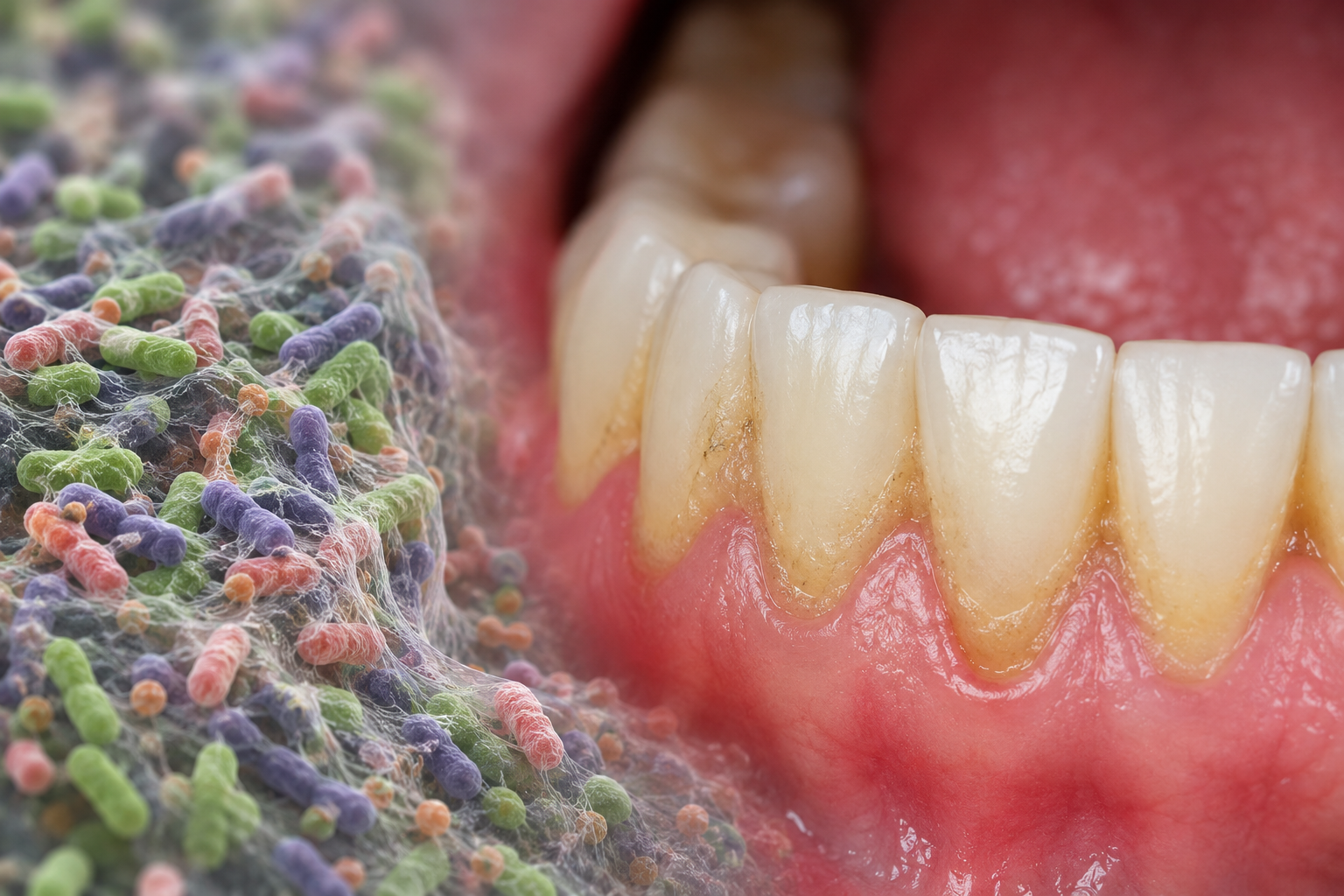
One of the most important stages involves the production of extracellular polymeric substances.
These substances act like a scaffold that holds microbial communities together.
The result is the familiar sticky film that brushing aims to remove each day.
Why Plaque Often Accumulates Near the Gumline
The area where teeth meet the gums creates a unique environment.
Food particles, proteins, and bacteria can collect in this region more easily than on smooth tooth surfaces. The gumline also contains microscopic spaces that may be harder to clean thoroughly.
A practical observation from routine dental care is that plaque tends to accumulate in predictable locations:
- Along the gum margin
- Between teeth
- Around orthodontic appliances
- Near crowns and bridges
- Around dental implants
These areas often require more attention than broad, exposed tooth surfaces.
How Biofilm Can Change the Appearance of Healthy Gums
Healthy gums often go unnoticed because they typically feel comfortable and maintain a consistent appearance. However, one of the earliest effects of excessive oral biofilm accumulation is a gradual change in gum tissue.
As biofilm develops along the gumline, the surrounding tissues may become irritated and begin showing subtle signs of inflammation. Changes can include increased redness, puffiness, tenderness, or occasional bleeding during brushing. These early changes may occur long before more advanced gum problems become obvious.
Understanding what healthy gums normally look like can make it easier to recognize when biofilm may be affecting gum health. Healthy gums generally fit snugly around the teeth, maintain a firm texture, and do not show persistent swelling or bleeding during routine oral care.
For a closer look at healthy gum color, tissue appearance, and common signs of healthy gums, see our guide on what healthy gums usually look like.
Biofilms on the Tongue Can Influence Breath Quality
Biofilms are not limited to the teeth and gumline. The tongue also hosts dense microbial communities that function as part of the broader oral biofilm ecosystem. When these bacterial populations metabolize proteins and other organic material, they may produce volatile sulfur compounds that contribute to morning breath and persistent oral odor.
Because the tongue provides a large surface area for microbial growth, it is increasingly recognized as one of the most important bacterial reservoirs in the mouth. Learn more about the connection between tongue bacteria, oral biofilms, and bad breath in our detailed guide on Tongue Bacteria and Bad Breath.
When Oral Biofilm Becomes a Problem
Not all biofilms are harmful.
The concern arises when the microbial balance shifts toward species associated with inflammation and disease.
Biofilm and Gingivitis
When plaque remains undisturbed near the gums, inflammatory responses may develop.
Early signs often include:
- Redness
- Mild swelling
- Tenderness
- Bleeding during brushing or flossing
For a deeper understanding of gum inflammation, see our guide on gum health and oral bacteria.
Biofilm and Periodontal Disease
As microbial communities become more complex, certain bacteria may contribute to deeper gum inflammation.
Researchers increasingly view periodontal disease as an ecological imbalance rather than a simple infection caused by a single microorganism.
Biofilm and Tooth Decay
Plaque biofilms can also contribute to tooth decay.
When bacteria metabolize dietary sugars, acids are produced. Repeated acid exposure may gradually weaken enamel.
The interaction between bacteria, dietary habits, saliva, and oral hygiene ultimately influences cavity risk.
The Oral Microbiome Connection
The concept of oral biofilm is closely linked to the oral microbiome.
The oral microbiome includes the collective community of microorganisms living in the mouth, including bacteria, fungi, viruses, and other microbes.
Our article on oral microbiome and dental health explains how microbial diversity influences long-term oral wellness.
For readers interested in the science behind these microbial communities, the article on oral microbiome research explained explores recent discoveries in greater depth.
One emerging insight from microbiome research is that oral health may depend less on eliminating bacteria and more on supporting a balanced ecosystem.
Can You Completely Eliminate Oral Biofilm?
The short answer is no.
Biofilm formation is a natural biological process that begins soon after cleaning.
The goal is not complete elimination but consistent management.
This distinction matters because marketing claims sometimes imply that all bacteria should be removed. Modern microbiome research suggests a more nuanced perspective.
A healthy mouth contains extensive microbial activity. The objective is maintaining balance rather than creating a sterile environment.
Factors That Influence Plaque Biofilm Growth
Diet
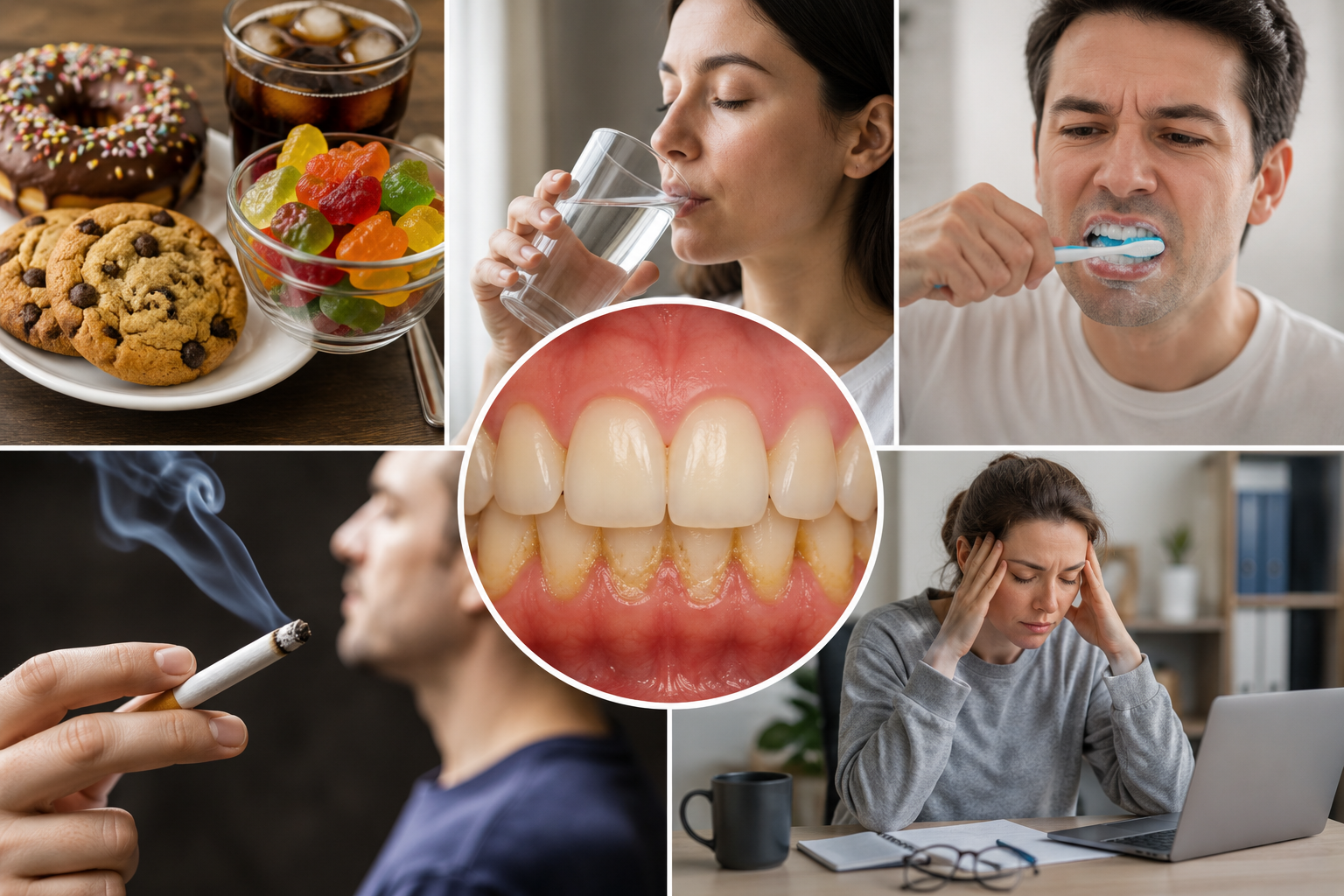
Frequent exposure to sugary foods and beverages can alter biofilm composition.
Nutritional habits influence which microbial species thrive inside the mouth.
Our guide to foods that support oral bacteria explores dietary patterns associated with a healthier oral microbiome.
Saliva
Saliva performs numerous protective functions.
It helps neutralize acids, distributes minerals, washes away debris, and influences microbial populations.
Reduced saliva flow may contribute to increased plaque accumulation.
Oral Hygiene Habits
Daily brushing and interdental cleaning mechanically disrupt biofilms before they become more mature and difficult to remove.
Consistency generally matters more than aggressive brushing.
Tobacco Use
Tobacco products may alter the oral microbial environment and are associated with changes in biofilm composition.
Medical and Lifestyle Factors
Stress, medications, systemic health conditions, hydration levels, and sleep quality may all influence oral microbial ecology.
Oral biofilm development is influenced by far more than brushing habits alone. Saliva composition, dietary patterns, microbial diversity, and the presence of beneficial bacteria can all affect how biofilms mature over time. This broader understanding has led to increased interest in oral probiotic formulations. Our article explaining Dental Pro 7 ingredients examines how probiotics and supporting nutrients are incorporated into products designed to promote a healthier oral environment.
What About Oral Probiotics?
Interest in oral probiotics has grown as researchers learn more about microbial balance.
Rather than focusing solely on removing bacteria, oral probiotics aim to support beneficial microbial populations.
If you’re new to the topic, our article What Are Oral Probiotics? How Beneficial Bacteria Support Oral Health provides an introduction.
Readers interested in the mechanisms involved may also find value in How Oral Probiotics Work: Understanding Beneficial Bacteria for Oral Health.
Current evidence suggests that oral probiotics may help support microbial balance, though they should be viewed as one component of a broader oral care strategy rather than a standalone solution.
Practical Strategies for Managing Oral Biofilm
Managing plaque biofilm generally involves simple, consistent habits.
Brush thoroughly twice daily using proper technique.
Clean between teeth regularly using floss, interdental brushes, or other tools recommended by your dental professional.
Pay extra attention to the gumline, where biofilms frequently accumulate.
Stay hydrated to support saliva production.
Limit frequent sugar exposure throughout the day.
Schedule regular professional dental examinations and cleanings.
These measures help disrupt biofilm development before it reaches a stage associated with inflammation or decay.
Final Thoughts
Oral biofilm is a normal and unavoidable part of life. Every mouth contains complex microbial communities that continuously form, interact, and adapt.
The real story behind plaque is not simply about bacteria on teeth. It is about ecology, balance, and the dynamic relationship between microbes, saliva, diet, oral hygiene, and the body’s natural defenses.
Understanding oral biofilm through this broader lens offers a more accurate picture of oral health than the traditional idea of “good teeth versus bad bacteria.” As oral microbiome research continues to evolve, the emphasis increasingly shifts toward supporting a stable and balanced oral environment rather than attempting to eliminate microbial life altogether.
FAQ
What is oral biofilm?
Oral biofilm is a structured community of microorganisms that attaches to surfaces in the mouth. Dental plaque is one of the most common examples of an oral biofilm.
Is plaque the same as oral biofilm?
Plaque is a type of oral biofilm found on teeth and near the gumline. Oral biofilm is the broader term that includes microbial communities throughout the mouth.
How quickly does plaque form after brushing?
Initial biofilm formation can begin within minutes after cleaning as salivary proteins and bacteria start attaching to tooth surfaces.
Can oral biofilm be completely removed?
No. Oral biofilm naturally reforms after cleaning. The goal is regular disruption and management rather than permanent removal.
Do all bacteria on teeth cause disease?
No. Many bacterial species are normal residents of a healthy oral microbiome. Problems typically occur when microbial balance shifts toward disease-associated organisms.
About the Author
Dental Pro 7 Ingredients Editorial Team
The Dental Pro 7 Ingredients Editorial Team researches oral microbiome science, preventive dental care, oral hygiene practices, and emerging developments in oral health. Content is developed through analysis of peer-reviewed research, educational resources from recognized dental organizations, and ongoing review of evidence related to oral bacteria, plaque biofilm, gum health, and oral wellness.
Disclaimer
This article is intended for educational and informational purposes only and should not be considered medical, dental, or professional healthcare advice. Oral health conditions vary between individuals. Readers should consult a qualified dentist or healthcare professional regarding diagnosis, treatment decisions, or concerns related to their specific oral health needs. External references and product mentions are provided for informational context and do not replace professional evaluation or care.