Why Plaque Builds Up Near the Gumline
Why Plaque Builds Up Near the Gumline
Why Plaque Builds Up Near the Gumline: Last Updated: September 8, 2026 | Reading Time: 7 min
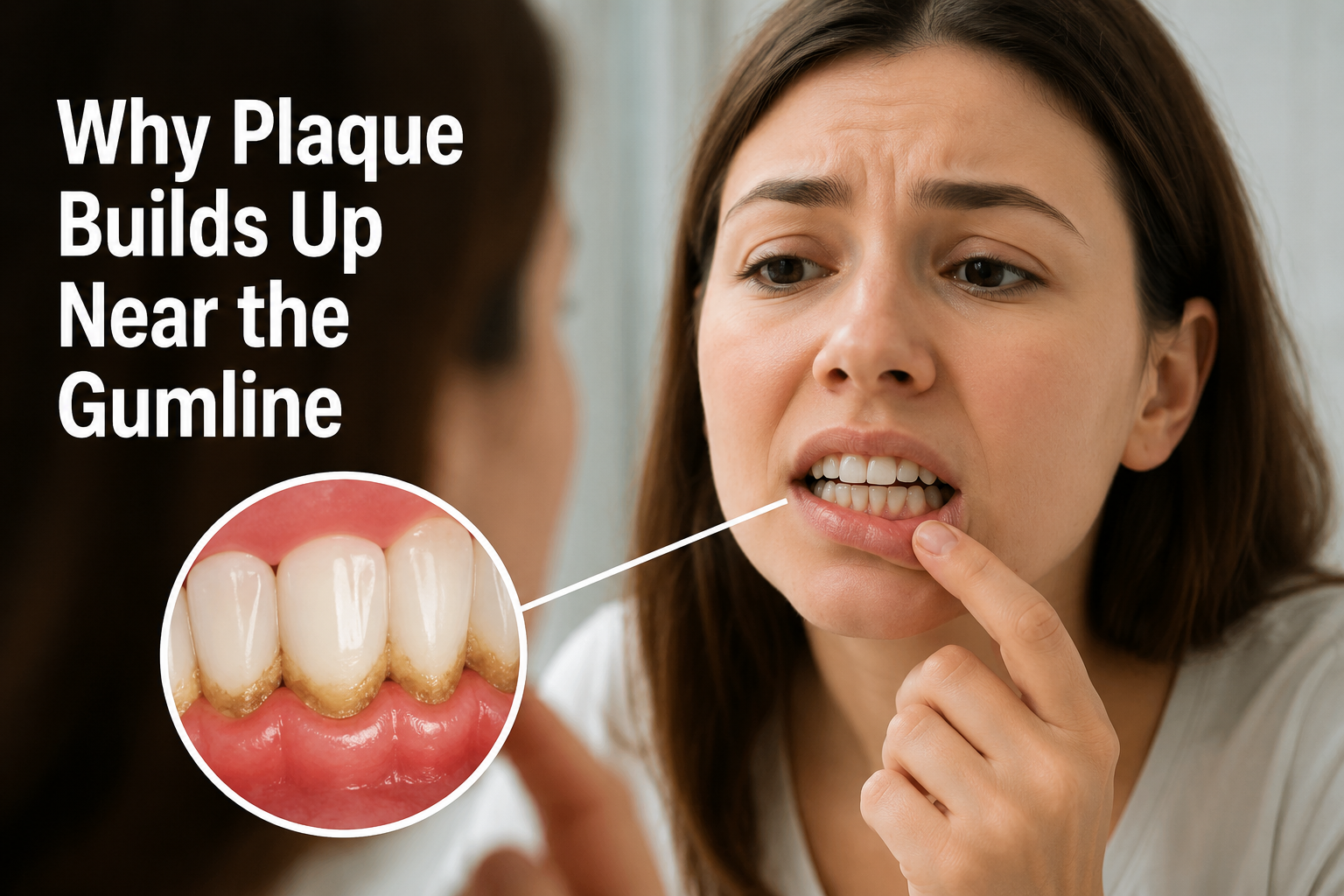
Many people are surprised when a dental cleaning reveals plaque or tartar concentrated near the gumline, even when they brush every day. The area where teeth meet the gums creates a unique environment that makes plaque more likely to accumulate.
This narrow zone is harder to clean, retains moisture, and provides a suitable surface for bacterial communities to develop. Over time, plaque that remains along the gumline can become more difficult to remove and may contribute to irritation and inflammation.
Understanding why plaque collects near the gumline can help people improve daily oral hygiene habits and make informed decisions about long-term gum care.
What Exactly Is Plaque?
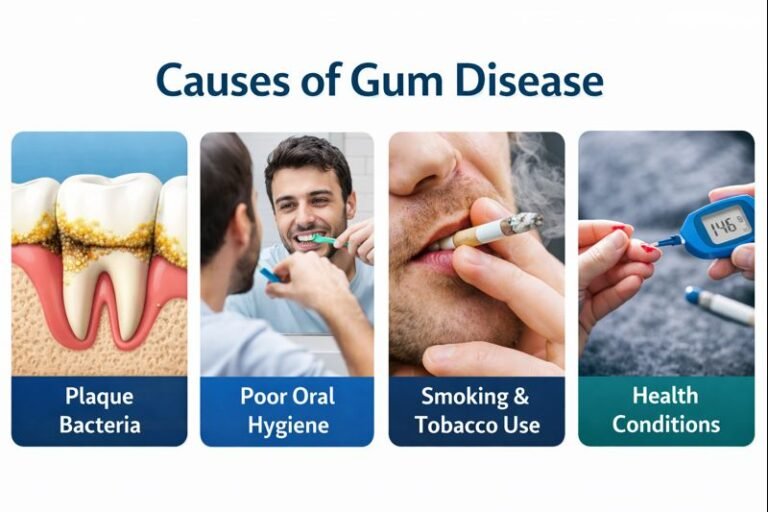
Plaque is a sticky biofilm made up of bacteria, proteins, food particles, and other substances naturally found in the mouth. It begins forming on tooth surfaces shortly after brushing and continues developing throughout the day.
Research published in PubMed and NCBI describes dental plaque as an organized bacterial community rather than a simple accumulation of debris. These microorganisms attach to tooth surfaces and create a protective matrix that helps them survive.
For a deeper explanation of how plaque develops, see oral biofilm formation.
Unlike food residue, plaque usually requires mechanical disruption through brushing, flossing, or other cleaning methods.
Explore Dental Pro 7
Why Does Plaque Build Up Near the Gumline?
Several factors make the gumline especially vulnerable to plaque accumulation.
The Gumline Creates a Natural Collection Point
The junction between teeth and gums contains tiny contours and spaces that are harder to reach with a toothbrush.
Even people who brush consistently may miss portions of the gumline. Plaque can remain undisturbed long enough for bacterial communities to mature.
This is one reason dental professionals emphasize directing toothbrush bristles toward the gumline rather than focusing only on visible tooth surfaces.
Saliva Flow Is Not Equal Everywhere
Saliva helps wash away food particles and supports the natural balance of oral microorganisms.
However, some parts of the mouth receive less natural cleansing than others. Areas around the gumline may experience less mechanical washing than surfaces that regularly contact the tongue or cheeks.
Research cited by NIH suggests that saliva plays an important role in regulating microbial populations throughout the mouth.
Bacteria Prefer Protected Areas
Oral bacteria thrive in locations where they can remain attached without frequent disruption.
The gumline provides a relatively protected environment where bacterial colonies can continue growing between brushing sessions. As plaque matures, different bacterial species may join the biofilm and create increasingly complex microbial communities.
This process helps explain why plaque often appears first along the gumline.
How Oral Bacteria Balance Can Influence Plaque
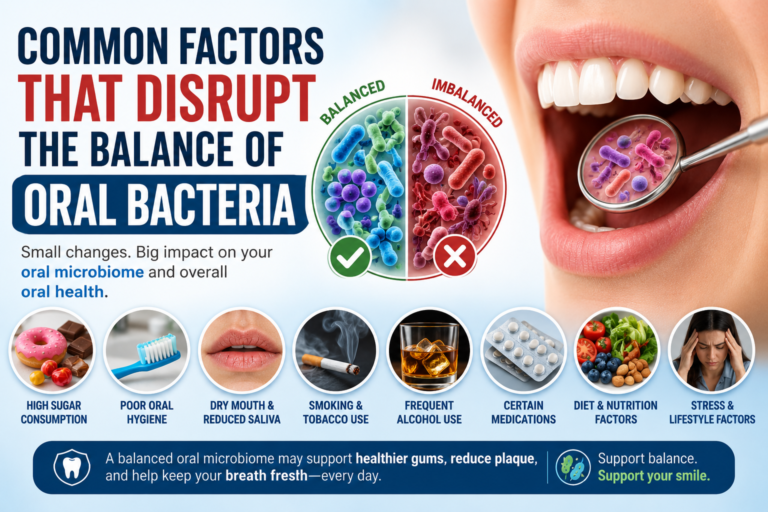
Plaque involves more than the physical presence of bacteria. The composition and balance of microorganisms within the oral environment also influence how the biofilm develops and interacts with gum tissues.
For readers interested in this connection, our guide to oral microbiome and dental health explains why bacterial balance matters alongside regular brushing and interdental cleaning.
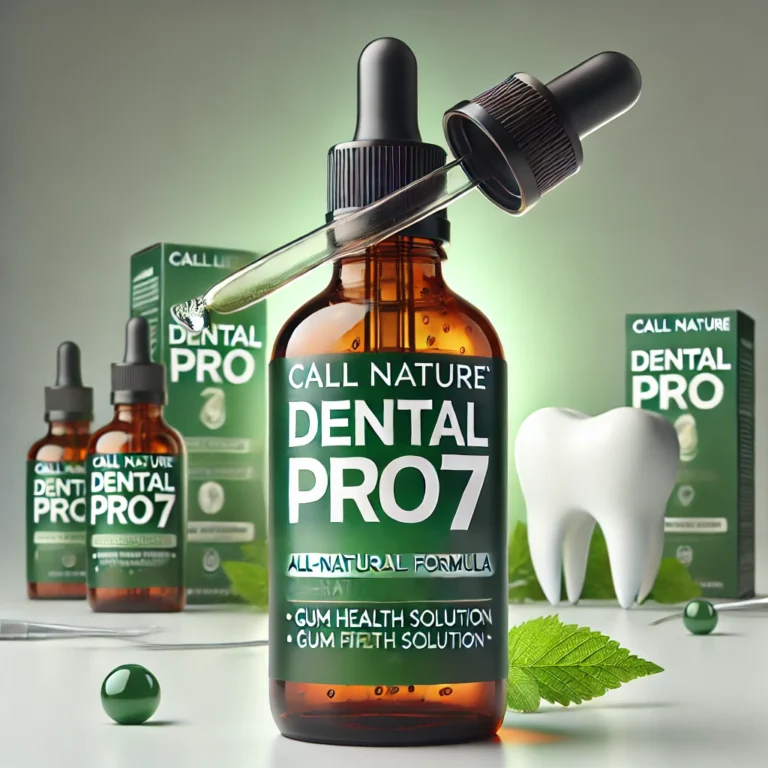
Dental Pro 7 Oral Care Support
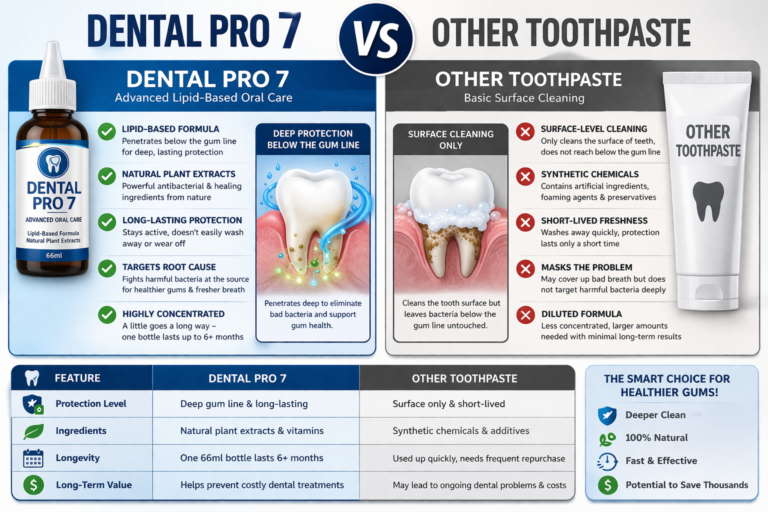
If you are looking for a daily oral-care approach that complements brushing and flossing, Dental Pro 7 focuses on supporting a balanced oral environment with beneficial probiotic strains.
Explore Dental Pro 7
A consistent routine remains the foundation of plaque control. Dental Pro 7 can be considered as an additional oral-care option within that routine.
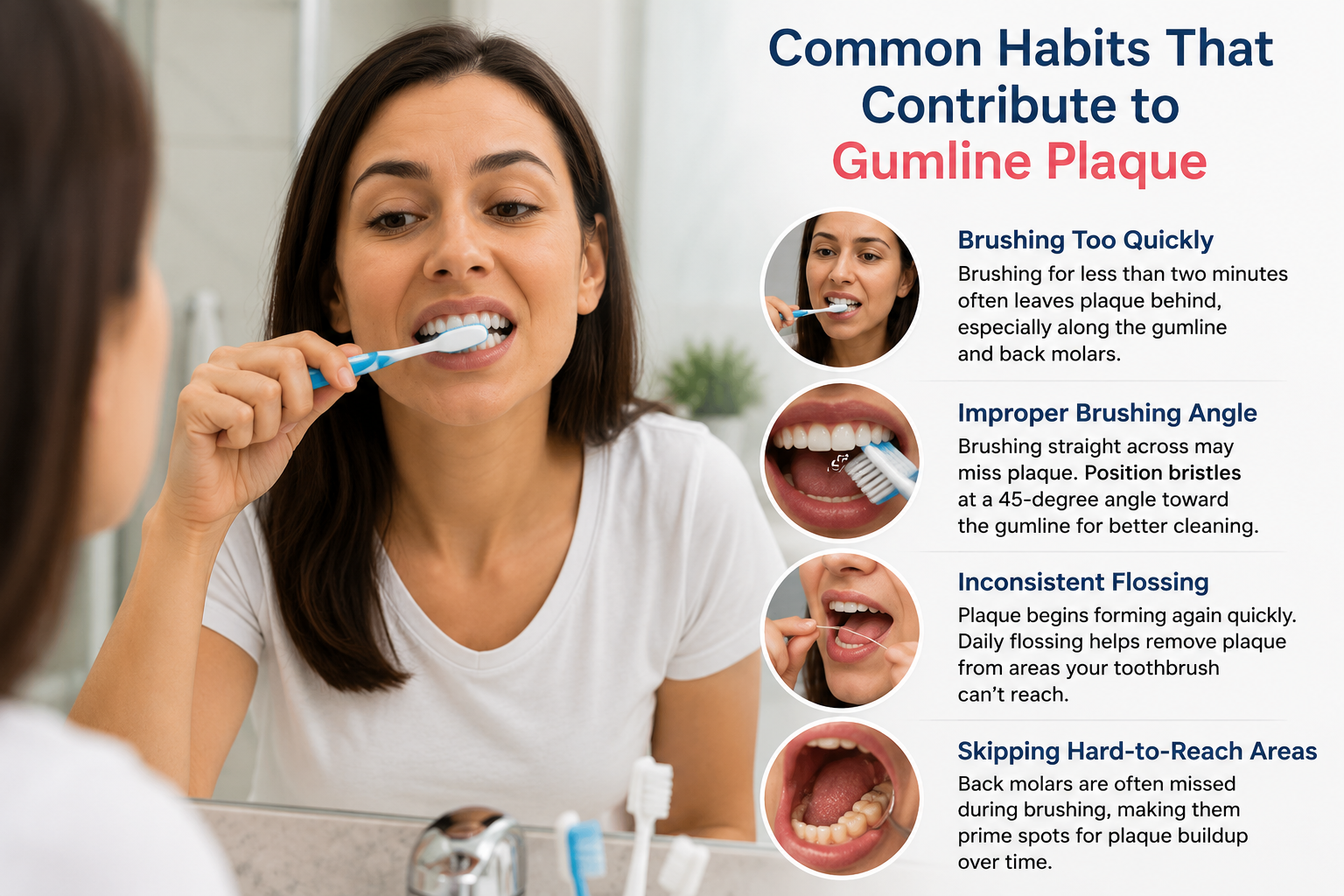
Common Habits That Contribute to Gumline Plaque
Many plaque-related concerns are connected to everyday habits.
Brushing Too Quickly
One common mistake is brushing for less than two minutes.
People often focus on the front surfaces of teeth while giving less attention to the gumline and back molars. Even a quality toothbrush works best when enough time is given to each area.
Improper Brushing Angle
Dental professionals frequently recommend positioning toothbrush bristles at approximately a 45-degree angle toward the gumline.
Brushing straight across tooth surfaces may leave plaque behind where the teeth meet the gums.
Inconsistent Flossing
The spaces between teeth and near the gumline are areas that toothbrushes cannot fully reach.
Regular interdental cleaning helps disrupt plaque in these locations. Learning about common flossing mistakes may also help improve cleaning technique.
Skipping Hard-to-Reach Areas
Back molars often accumulate plaque because they receive less attention during brushing.
Over time, these missed areas can become locations where plaque repeatedly develops and hardens.
Why Plaque Near the Gumline Matters
Plaque does not always cause immediate symptoms.
It may accumulate for weeks or months before a person notices visible changes.
Early Gum Irritation
Plaque near the gumline is commonly associated with redness, tenderness, or mild swelling.
According to the American Dental Association (ADA), plaque accumulation is one of the primary factors linked to gum inflammation.
Increased Risk of Tartar Formation
When plaque remains on teeth for extended periods, minerals in saliva can contribute to hardening.
Once plaque becomes tartar, professional cleaning is generally required for effective removal.
Persistent Bad Breath
Certain oral bacteria produce sulfur-containing compounds associated with unpleasant breath odors.
Plaque accumulation near the gums can create an environment where odor-producing bacteria thrive more easily.
Practical Ways to Reduce Plaque Along the Gumline
Reducing plaque does not require a complicated routine. Small improvements in daily habits can make a meaningful difference.
Focus on Technique Instead of Pressure
Many people believe that stronger brushing produces cleaner teeth.
Research discussed by Cleveland Clinic and Mayo Clinic suggests that aggressive brushing can irritate gum tissue without significantly improving plaque removal.
Gentle, thorough brushing provides a better approach for daily gumline cleaning.
Use the Right Toothbrush
A soft-bristled toothbrush is generally recommended for most people because it can clean near the gumline while minimizing unnecessary irritation.
Electric toothbrushes may also improve consistency for some users.
Clean Between Teeth Daily
Floss, interdental brushes, or water flossers can help remove plaque from areas that standard brushing may miss.
This is especially important because plaque often develops where teeth and gums meet.
Consider Additional Plaque-Control Strategies
Some individuals explore natural plaque control methods as part of a broader oral hygiene routine.
These methods can complement brushing, flossing, and regular professional care.
Simple Daily Habits for Preventing Plaque
A practical plaque-control routine works best when it remains easy to follow every day. Consistent brushing, interdental cleaning, hydration, and attention to the gumline can support cleaner teeth and healthier oral habits.
For more practical ideas, see these tips for preventing plaque naturally.
Educational Oral Care Options Worth Exploring
People concerned about plaque buildup often explore approaches beyond traditional brushing.
Some choose to combine routine oral hygiene with products designed to support a balanced oral environment.
For readers interested in oral-care approaches focused on beneficial bacteria and gum support, information about the Dental Pro 7 formula for gum health support provides additional educational insight.
Products That May Support Daily Plaque Management
Certain oral-care tools can improve access to the gumline and other difficult-to-clean areas.
Popular options include:
- Soft-bristle toothbrushes
- Water flossers
- Dental floss designed for tight contacts
- Interdental brushes
- Plaque-disclosing tablets
These products support daily plaque removal when used correctly and alongside regular professional care.
Oral Probiotics and Plaque Control
Oral microbiome research has increased interest in probiotics that contain beneficial bacterial strains. These products are being studied for their potential role in maintaining a balanced oral environment.
For a closer look at this approach, read our guide to probiotics for plaque control and learn how oral probiotics are discussed in relation to bacterial balance and plaque management.
Soft Educational CTA
Individuals seeking a broader oral-care strategy can explore solutions that support daily hygiene alongside attention to oral microbial balance.
Learning about professional-strength natural dental solutions may help readers understand how additional oral-care products can fit into a consistent routine.

When Professional Cleaning May Be Necessary
Even excellent home care may not remove hardened tartar.
If plaque has mineralized, professional dental cleaning may be needed.
The CDC and ADA encourage regular dental examinations because early identification of plaque-related concerns can help support long-term oral health.
Professional cleanings can also reveal areas that are routinely missed during home care. This information can help people adjust their brushing and interdental cleaning techniques.
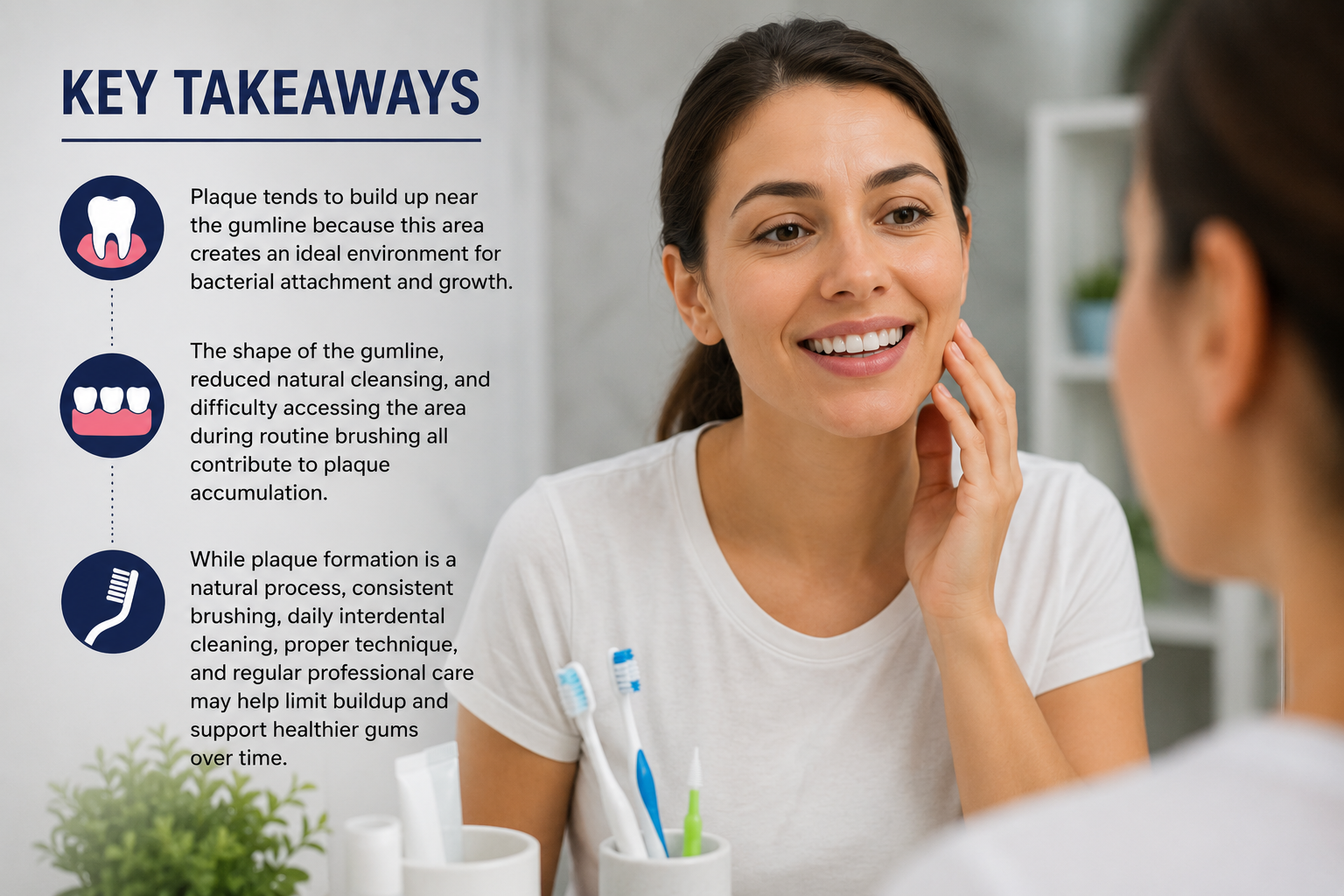
Key Takeaways
Plaque tends to build up near the gumline because this area creates a favorable environment for bacterial attachment and growth.
The shape of the gumline, reduced natural cleansing, and difficulty accessing the area during routine brushing all contribute to plaque accumulation.
Plaque formation is a natural process. Consistent brushing, daily interdental cleaning, proper technique, and regular professional care can help limit buildup and support healthier gums over time.
FAQ
Why does plaque accumulate near the gumline faster than other areas?
The gumline contains small spaces and contours that are harder to clean. These protected areas allow plaque to remain attached longer and mature more easily.
Can brushing alone remove gumline plaque?
Brushing removes plaque from exposed tooth surfaces. Flossing or interdental cleaning can reach areas around and between teeth that brushing may miss.
Does plaque near the gumline always cause symptoms?
Plaque can accumulate before noticeable signs appear. Redness, swelling, tenderness, or bleeding may develop as gum irritation increases.
Can plaque become tartar?
Yes. When plaque remains undisturbed, minerals in saliva can contribute to hardening and tartar formation.
Are water flossers useful for plaque control?
Water flossers can help clean around the gumline and between teeth. They work best as part of a consistent oral hygiene routine.
Is plaque completely preventable?
Plaque formation is a natural process. Consistent oral hygiene can help control its accumulation and support healthier teeth and gums.
About the Author
Dental Pro 7 Ingredients Editorial Team
The Dental Pro 7 Ingredients Editorial Team creates educational content focused on oral health, gum wellness, dental hygiene practices, and oral microbiome research. Articles are developed using reputable scientific sources, professional guidelines, and current oral health literature to help readers make informed decisions.
Disclaimer – Why Plaque Builds Up Near the Gumline
This article is intended for educational and informational purposes only. It does not replace professional dental advice, diagnosis, or treatment. Consult a qualified dental professional regarding questions about your oral health or before making significant changes to your oral care routine.