Mouth Breathing and Dry Mouth During Sleep
Mouth Breathing and Dry Mouth During Sleep
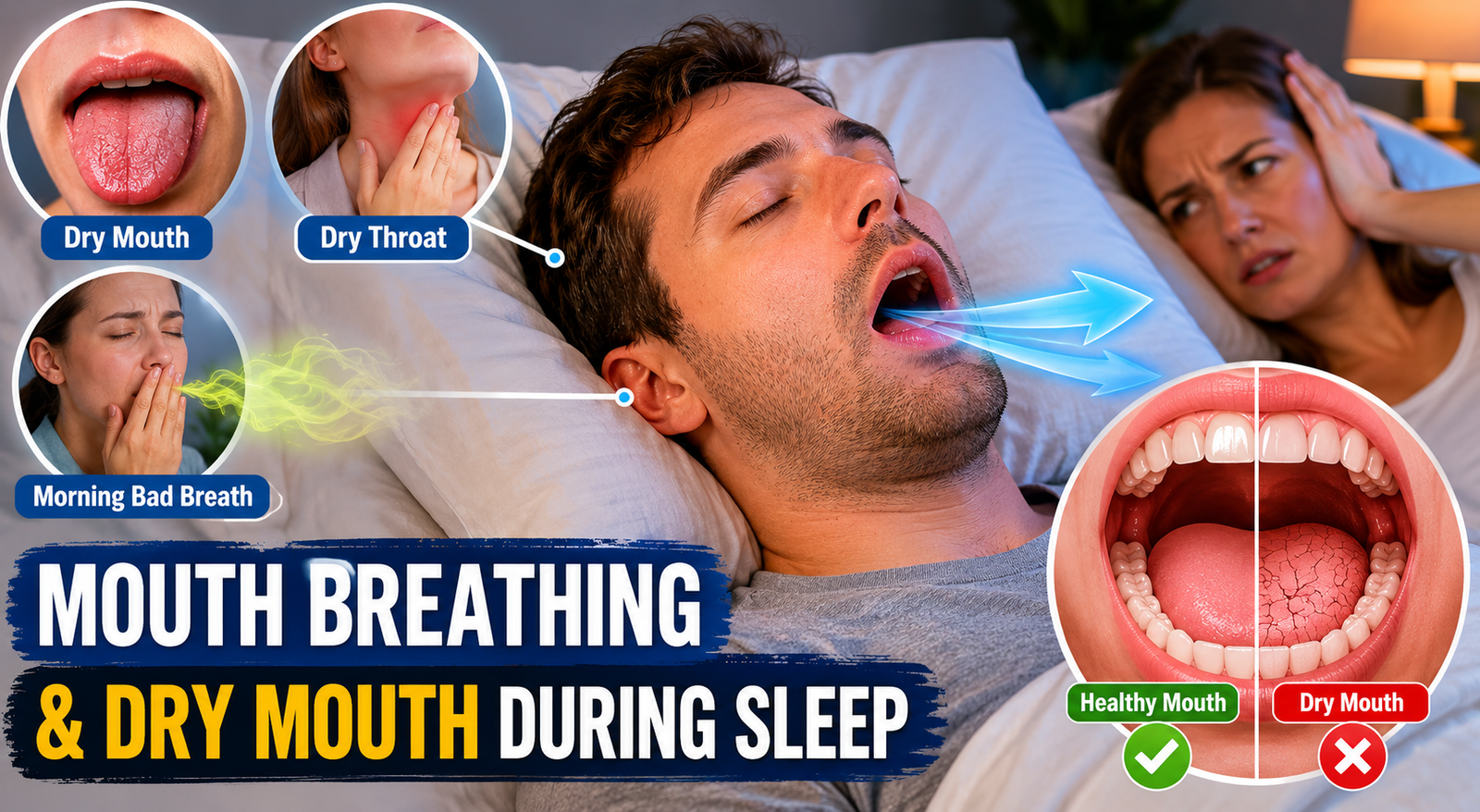
Mouth Breathing and Dry Mouth During Sleep: Many people wake up with a sticky mouth, a dry throat, or unpleasant morning breath and assume it is simply part of sleeping. In reality, these symptoms are often associated with mouth breathing during the night.
A surprising number of adults and children breathe through their mouths while sleeping without realizing it. Some discover the habit only after a partner notices snoring, while others become aware when they consistently wake up feeling thirsty despite drinking enough water during the day.
Mouth breathing during sleep may seem harmless, but research suggests it can contribute to reduced saliva production, changes in the oral environment, and discomfort that affects overall oral health. Understanding why it happens and what can be done about it may help reduce its impact.
What Is Mouth Breathing During Sleep?
Mouth breathing occurs when a person primarily breathes through the mouth instead of the nose. While occasional mouth breathing is common during illness or temporary nasal congestion, chronic mouth breathing may persist for months or years.
During sleep, the body naturally produces less saliva. When air continuously flows through the mouth, moisture evaporates more quickly, increasing the likelihood of dry mouth symptoms.
According to information published by the American Dental Association (ADA) and findings available through PubMed, saliva plays a critical role in protecting teeth, gums, and oral tissues by helping neutralize acids and wash away food particles and bacteria.
Common Reasons People Breathe Through Their Mouth at Night
Several factors may contribute to nighttime mouth breathing:
- Nasal congestion from allergies
- Chronic sinus issues
- Deviated nasal septum
- Enlarged tonsils or adenoids
- Sleep-disordered breathing
- Certain medications
- Habitual breathing patterns
In some cases, more than one factor is involved.
Why Mouth Breathing Often Leads to Dry Mouth
Dry mouth, also called xerostomia, occurs when there is insufficient moisture in the mouth.
When breathing through the nose, incoming air is filtered, warmed, and humidified. Mouth breathing bypasses these natural processes. As a result, oral tissues may lose moisture throughout the night.
The Role of Saliva
Saliva does much more than keep the mouth comfortable.
It helps:
- Lubricate oral tissues
- Support swallowing and speech
- Neutralize harmful acids
- Assist with digestion
- Maintain a balanced oral microbiome
- Protect teeth from decay
Research published through NCBI and NIH resources suggests that reduced saliva flow may contribute to bacterial growth and plaque accumulation.
Signs That Dry Mouth May Be Related to Mouth Breathing
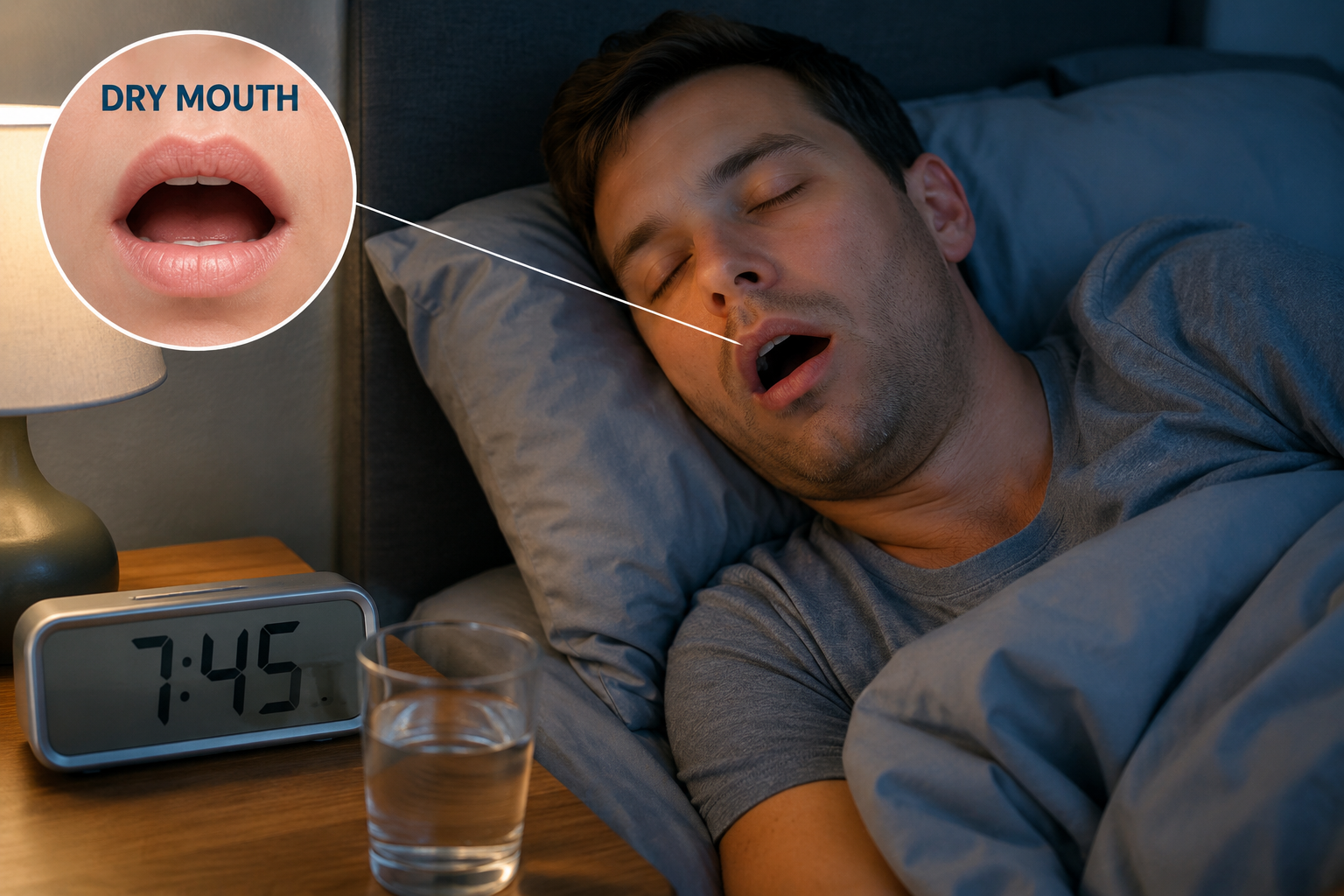
Common symptoms include:
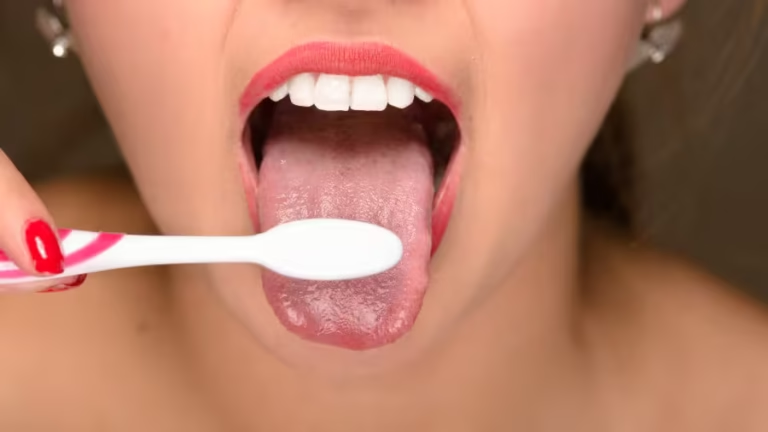
- Dry tongue upon waking
- Sticky or thick saliva
- Frequent thirst at night
- Dry throat in the morning
- Cracked lips
- Morning bad breath
- Difficulty swallowing
Some individuals also report waking up multiple times during the night to drink water.
How Dry Mouth Can Affect Oral Health
The effects of dry mouth extend beyond simple discomfort.
Because saliva provides natural protection, prolonged dryness may influence several aspects of oral health.
Increased Risk of Plaque Accumulation
When saliva levels decrease, bacteria and food debris are not cleared as efficiently.
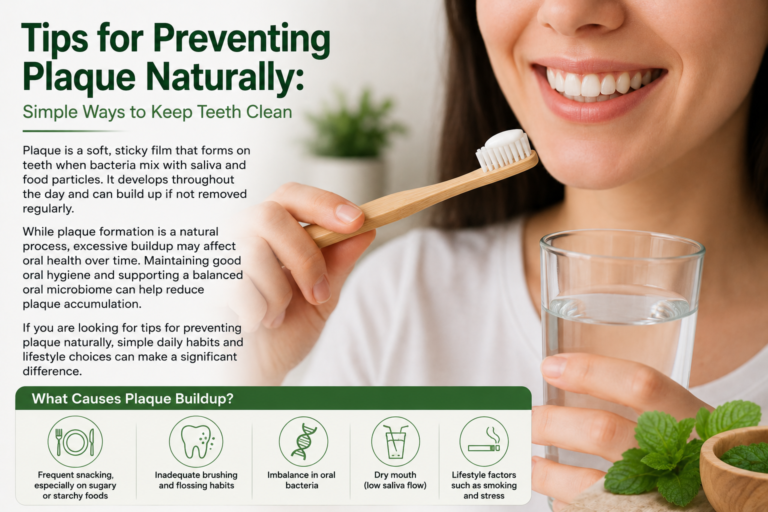
This environment may contribute to plaque formation, which is associated with gum irritation and dental problems over time.
Individuals concerned about long-term gum health may find additional information in gum disease causes, symptoms, treatment, and prevention guide
Changes in Oral Bacteria
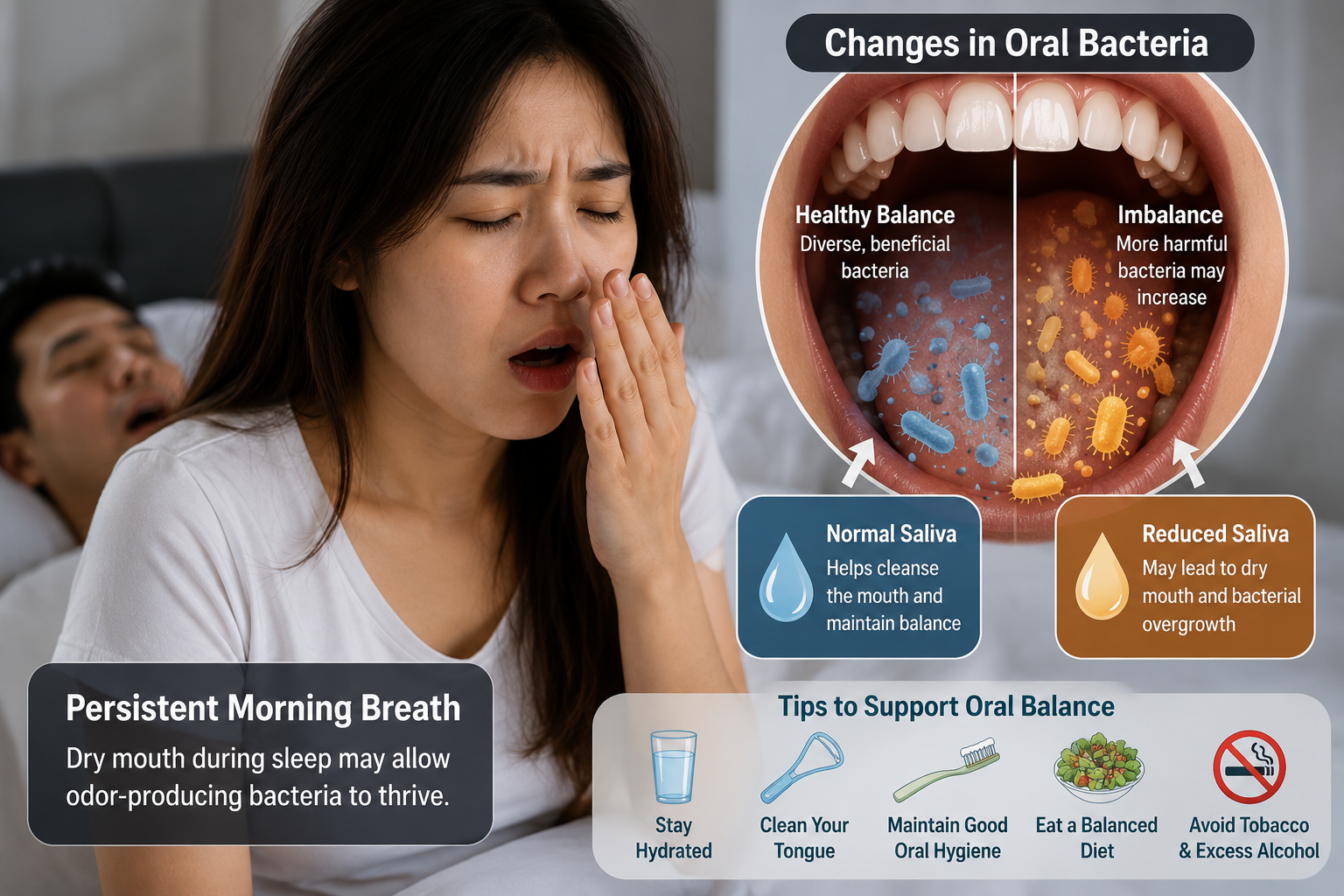
The mouth contains hundreds of bacterial species that normally exist in balance.
Research discussed in scientific studies on oral probiotics and oral health suggests that shifts in moisture levels may influence the oral microbiome
Persistent Morning Breath
One commonly overlooked consequence of dry mouth is bad breath.
When saliva decreases overnight, odor-producing bacteria may become more active.
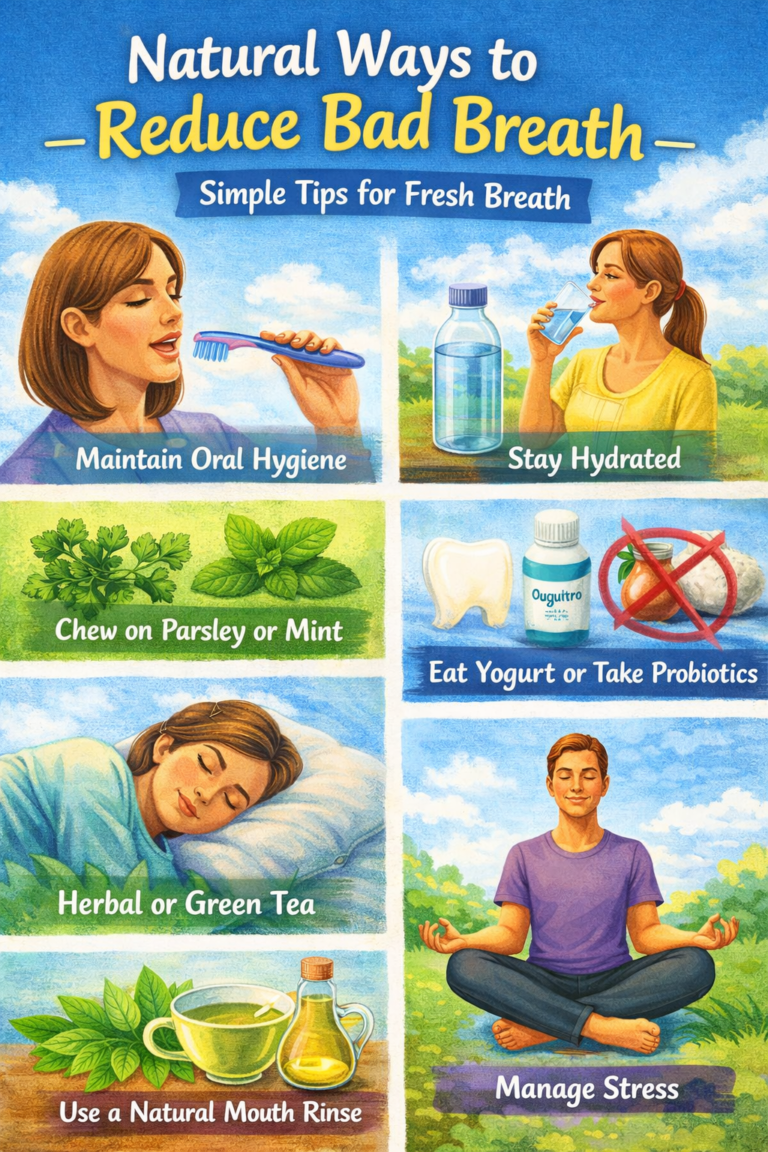
Readers interested in practical approaches can explore natural ways to reduce bad breath:
Educational Note
Some people choose to support their daily oral hygiene routine with products designed to help maintain a healthier oral environment. Information about the ingredients commonly used for this purpose can be found in Dental Pro 7 Formula gum health support and Callnature
Lesser-Known Effects of Mouth Breathing
Many articles focus on dry mouth and snoring but overlook several lesser-known consequences.
Dryness Is Often Uneven
One interesting observation among dental professionals is that dryness does not always affect the entire mouth equally.
Certain areas, particularly around the front teeth and gums, may experience greater exposure to airflow.
This may help explain why some individuals notice irritation or inflammation in only one specific area.
Additional information is available in gum swelling around one tooth and possible causes
Increased Tissue Irritation
Continuous airflow may dry delicate oral tissues.
Although dryness alone does not necessarily cause disease, it may contribute to irritation and discomfort when combined with plaque accumulation and other factors.
More Frequent Nighttime Waking
Some people repeatedly wake up due to thirst without recognizing the connection to mouth breathing.
Over time, disrupted sleep may affect overall comfort and well-being.
Practical Ways to Reduce Dry Mouth During Sleep
Addressing the underlying cause is often the most effective long-term strategy.
Improve Nasal Breathing
If nasal congestion is contributing to mouth breathing, consider:
- Managing allergies
- Using saline nasal rinses when appropriate
- Discussing chronic congestion with a healthcare professional
Stay Well Hydrated
Adequate hydration throughout the day may support normal saliva production.
However, drinking large amounts of water immediately before bed may increase nighttime bathroom visits.
Review Medications
Some medications are associated with dry mouth as a side effect.
Examples may include:
- Antihistamines
- Certain antidepressants
- Some blood pressure medications
Never stop prescribed medication without consulting a healthcare professional.
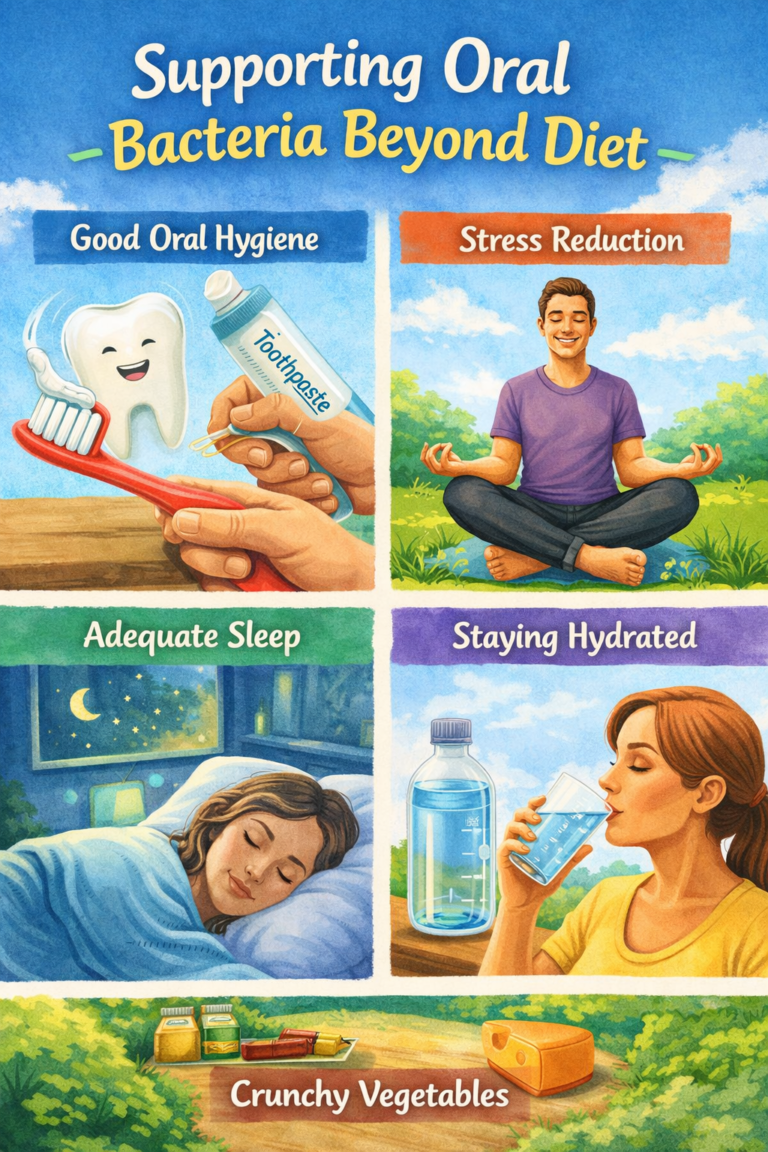
Maintain Consistent Oral Hygiene
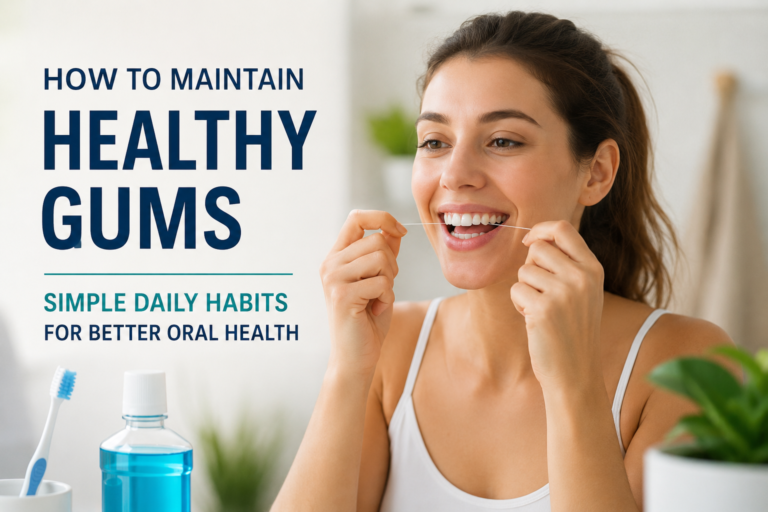
Reducing plaque accumulation may help support oral comfort, especially when dry mouth is present. Many people find that traditional brushing and flossing combined with other cleaning methods improve their routine. Learn more in water flossers and gum care: what users should know:
Consider Bedroom Humidity
Dry indoor air may worsen nighttime dryness. Using a humidifier may help improve moisture levels in the sleeping environment.
When to Seek Professional Evaluation
Occasional dry mouth is common. However, professional evaluation may be helpful if symptoms:
- Persist for several weeks
- Interfere with sleep
- Cause difficulty swallowing
- Are accompanied by frequent dental problems
- Occur alongside heavy snoring or breathing difficulties
According to information from the Mayo Clinic and Cleveland Clinic, chronic dry mouth can sometimes be associated with underlying medical conditions or sleep-related breathing disorders that deserve attention.
Supporting a Healthy Oral Environment
Managing mouth breathing is often a gradual process rather than an overnight fix.
For many people, improvements come from identifying contributing factors, supporting nasal breathing, maintaining good oral hygiene, and staying aware of changes in symptoms.
Some individuals also explore oral care products designed to support gum and oral tissue health as part of their daily routine. Readers interested in learning more can review what makes Dental Pro 7 unique for teeth and gum health: and Callnature
FAQ
Can mouth breathing cause dry mouth every night?
Yes. Continuous airflow through the mouth during sleep may increase moisture loss and contribute to nighttime dry mouth.
Is dry mouth harmful to teeth?
Research suggests that reduced saliva may increase the risk of plaque accumulation and tooth decay because saliva helps protect oral tissues.
Why do I wake up with bad breath after sleeping?
Morning breath is commonly associated with decreased saliva production and increased bacterial activity overnight.
Can dehydration make dry mouth worse?
Yes. Inadequate fluid intake may contribute to reduced saliva production and worsen symptoms.
Does mouth breathing always mean I have sleep apnea?
No. Mouth breathing may occur for several reasons, including allergies, nasal congestion, or habitual breathing patterns. However, persistent symptoms should be evaluated by a healthcare professional.
Can a humidifier help with dry mouth?
In some cases, increasing room humidity may reduce moisture loss and improve nighttime comfort.
References
- National Institutes of Health (NIH) – Oral Health Resources
- National Center for Biotechnology Information (NCBI)
- PubMed Peer-Reviewed Research Database
- American Dental Association (ADA)
- Centers for Disease Control and Prevention (CDC)
- Mayo Clinic
- Cleveland Clinic
About the Author
Author: Dental Pro 7 Ingredients Editorial Team
The Dental Pro 7 Ingredients Editorial Team creates evidence-informed educational content focused on oral health, gum care, oral hygiene practices, and emerging research. Content is developed using reputable sources, including peer-reviewed literature, professional dental organizations, and public health institutions.
Disclaimer
This article is intended for educational and informational purposes only. It is not intended to replace professional medical, dental, or healthcare advice, diagnosis, or treatment. Always consult a qualified healthcare professional regarding any questions or concerns about your oral health.