Gum Swelling Around One Tooth: Possible Causes
Gum Swelling Around One Tooth: Possible Causes
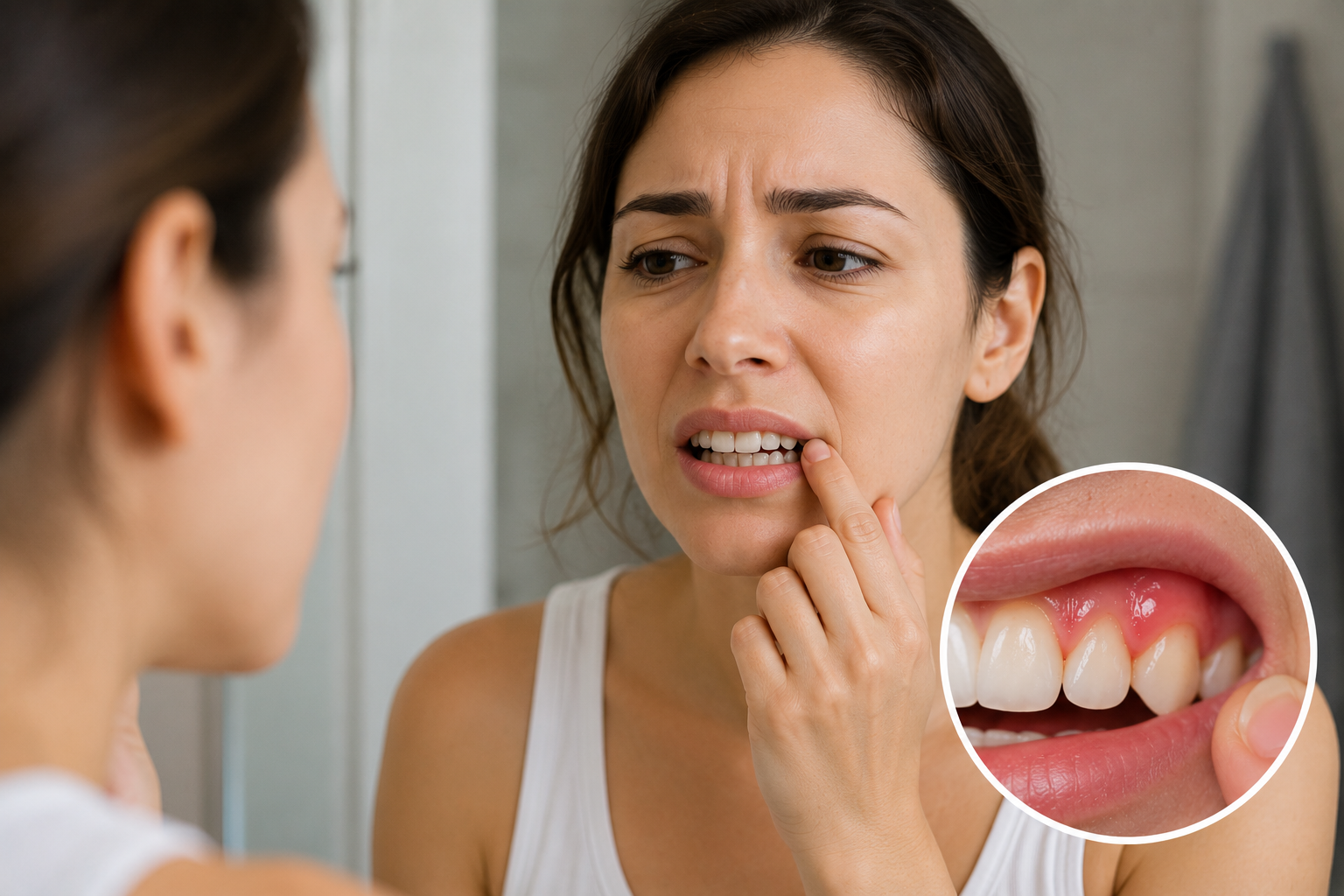
Gum Swelling Around One Tooth: One morning, you look in the mirror and notice something unusual. The gum around a single tooth appears puffy, tender, or slightly red, while the rest of your mouth feels perfectly normal.
This situation often creates confusion. If gum disease usually affects larger areas of the mouth, why would swelling appear around just one tooth?
The answer is that localized gum swelling can develop for several different reasons. Sometimes the cause is relatively minor and temporary. In other cases, it may signal an infection or deeper dental issue that requires professional attention.
Understanding what may be happening around that specific tooth can help you make informed decisions and avoid common mistakes that sometimes worsen the problem.
Why Gum Swelling Sometimes Affects Only One Tooth
When swelling develops around a single tooth, the underlying issue is often localized rather than generalized.
Unlike widespread gingivitis, which may affect multiple areas of the gumline, swelling around one tooth frequently originates from a specific trigger such as trapped debris, bacterial accumulation, trauma, or infection.
Research published through PubMed and NCBI suggests that localized inflammation often develops when bacterial biofilm accumulates in a concentrated area or when the body’s immune response becomes focused on a specific site.
The location of the swelling can provide useful clues about the potential cause.
Food Impaction Between Teeth
One surprisingly common cause of localized gum swelling involves food becoming trapped between neighboring teeth.
Small food particles may remain lodged in tight spaces where brushing alone cannot easily reach.
Why It Causes Swelling
When trapped food remains in place, bacteria begin breaking down the material. This process may irritate surrounding tissues and contribute to inflammation.
Common signs include:
- Swelling around one tooth
- Tenderness during chewing
- Mild bleeding
- Temporary bad breath
- A sensation that something feels stuck
A Common Mistake
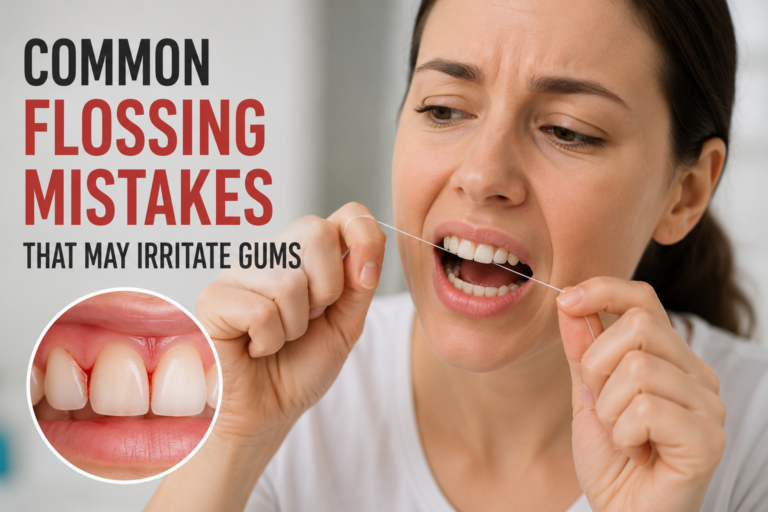
Many people repeatedly probe the area with toothpicks or sharp objects.
This may further irritate gum tissue and potentially worsen inflammation.
Gentle flossing and proper interdental cleaning are usually safer approaches.
Localized Gingivitis
Gingivitis does not always affect the entire mouth equally.
Sometimes plaque accumulates more heavily around one tooth because of:
- Crowded teeth
- Misaligned teeth
- Difficult-to-clean areas
- Inconsistent flossing habits
Research cited by the American Dental Association (ADA) indicates that plaque accumulation remains one of the primary contributors to gum inflammation.
Individuals experiencing persistent swelling may benefit from learning more about gum infections and gingivitis:
Signs That Gingivitis May Be Involved
- Redness
- Puffiness
- Bleeding during brushing
- Mild tenderness
- No significant tooth pain
When addressed early, gingivitis may improve through consistent oral hygiene and professional cleaning.
A Gum Abscess or Localized Infection
When swelling becomes painful or appears suddenly, infection becomes a more important possibility.
A gum abscess occurs when bacteria become trapped within gum tissue, creating a localized collection of infection.
Symptoms May Include
- Throbbing pain
- Significant swelling
- Sensitivity when chewing
- Pus drainage
- Bad taste in the mouth
- Swollen lymph nodes
According to information from the Mayo Clinic and Cleveland Clinic, dental abscesses often require professional treatment and should not be ignored.
Why Prompt Evaluation Matters
Untreated infections may spread into surrounding tissues and potentially affect nearby structures.
This is one reason sudden swelling accompanied by pain deserves timely attention.
Gum Disease Affecting a Specific Area
Periodontal disease does not always progress evenly throughout the mouth. In many cases, deeper pockets form around certain teeth before others.
Research available through NIH suggests that localized periodontal destruction may occur when bacterial biofilm persists in difficult-to-clean areas. Readers interested in understanding this process may find useful information in our guide to gum disease causes and symptoms:
Potential Warning Signs
- Gum recession
- Persistent swelling
- Loose teeth
- Deep pockets around teeth
- Bleeding during oral hygiene
Injury or Physical Trauma
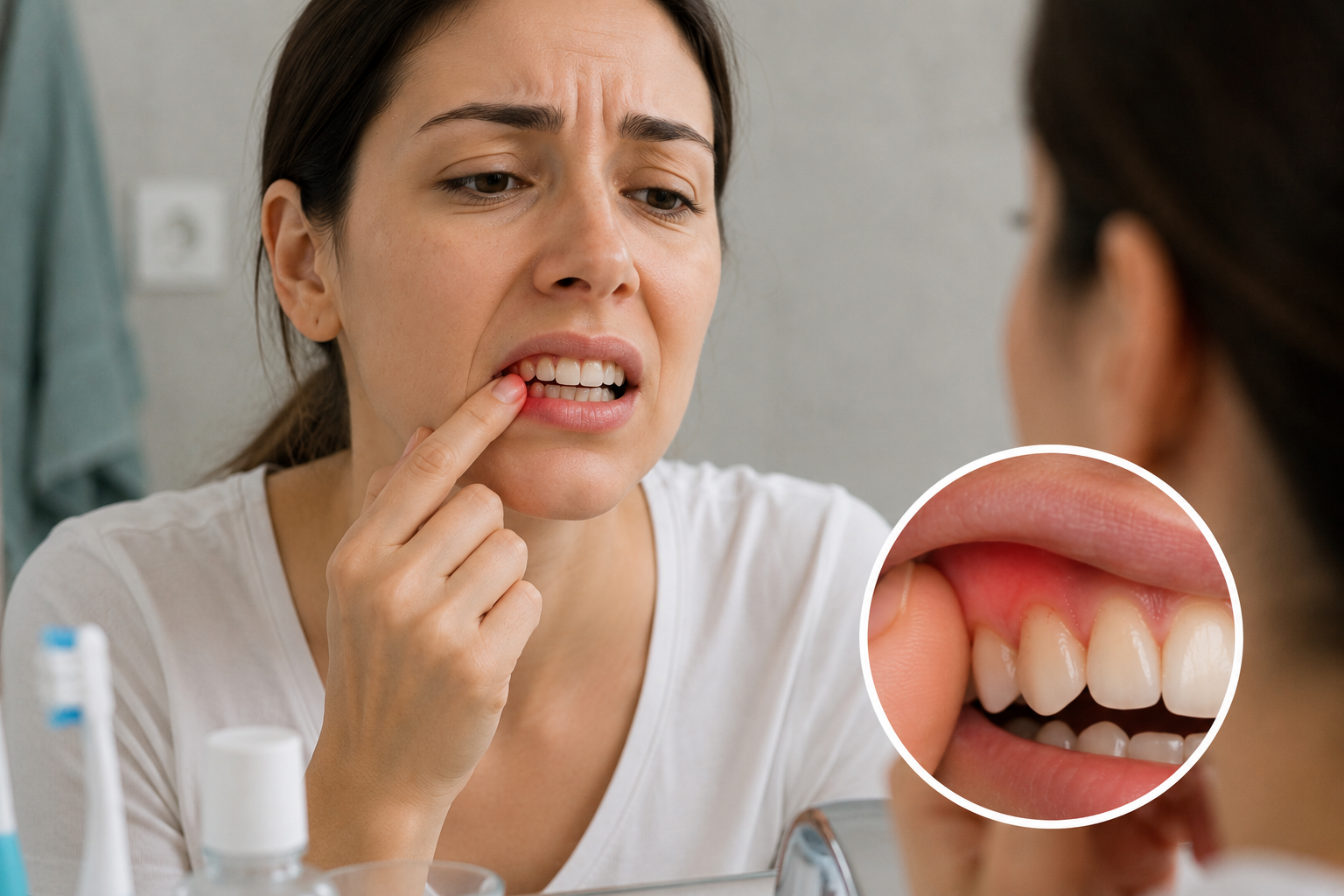
Sometimes swelling has nothing to do with infection.
Minor trauma may develop from:
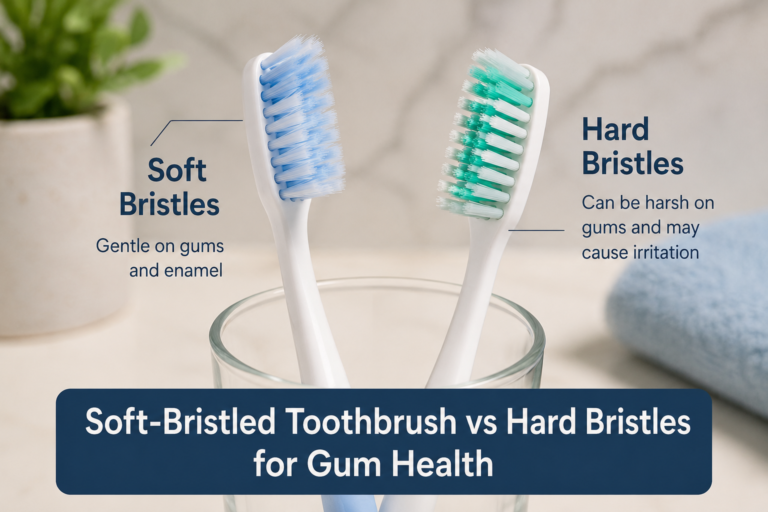
- Aggressive brushing
- Improper flossing
- Sharp foods
- Dental appliances
- Accidental injury
Even a hard tortilla chip or popcorn hull can occasionally irritate gum tissue enough to produce localized swelling.
When Trauma Is the Likely Cause
Swelling from minor trauma often improves within a few days once the source of irritation is removed. Persistent symptoms deserve professional evaluation.
Tooth Root Problems
The source of swelling may actually originate inside the tooth rather than within the gums. When bacteria enter the tooth pulp through decay, cracks, or trauma, infection can travel toward the root tip and surrounding tissues. This sometimes produces swelling that appears to originate from the gum.
Additional Signs
- Tooth sensitivity
- Pain when biting
- Temperature sensitivity
- Darkening of the tooth
- Localized swelling
Dental imaging is often necessary to determine whether the tooth itself is contributing to the problem.
Wisdom Teeth and Localized Swelling
Partially erupted wisdom teeth frequently create areas where bacteria and food particles accumulate.
The tissue surrounding these teeth may become inflamed, a condition known as pericoronitis.
Research discussed in various peer-reviewed journals associates partially erupted wisdom teeth with localized inflammation and infection risk.
Common Symptoms
- Swelling near the back of the mouth
- Difficulty chewing
- Tenderness
- Bad taste
- Limited jaw opening
Why Swelling Sometimes Comes and Goes
One detail many articles overlook is that localized swelling may fluctuate.
The swelling can appear smaller in the morning and more noticeable later in the day.
This occurs because inflammation is influenced by:
- Bacterial activity
- Blood flow
- Chewing forces
- Oral hygiene habits
- Immune response
Temporary improvement does not necessarily mean the underlying issue has resolved.
Building Healthier Gum Habits
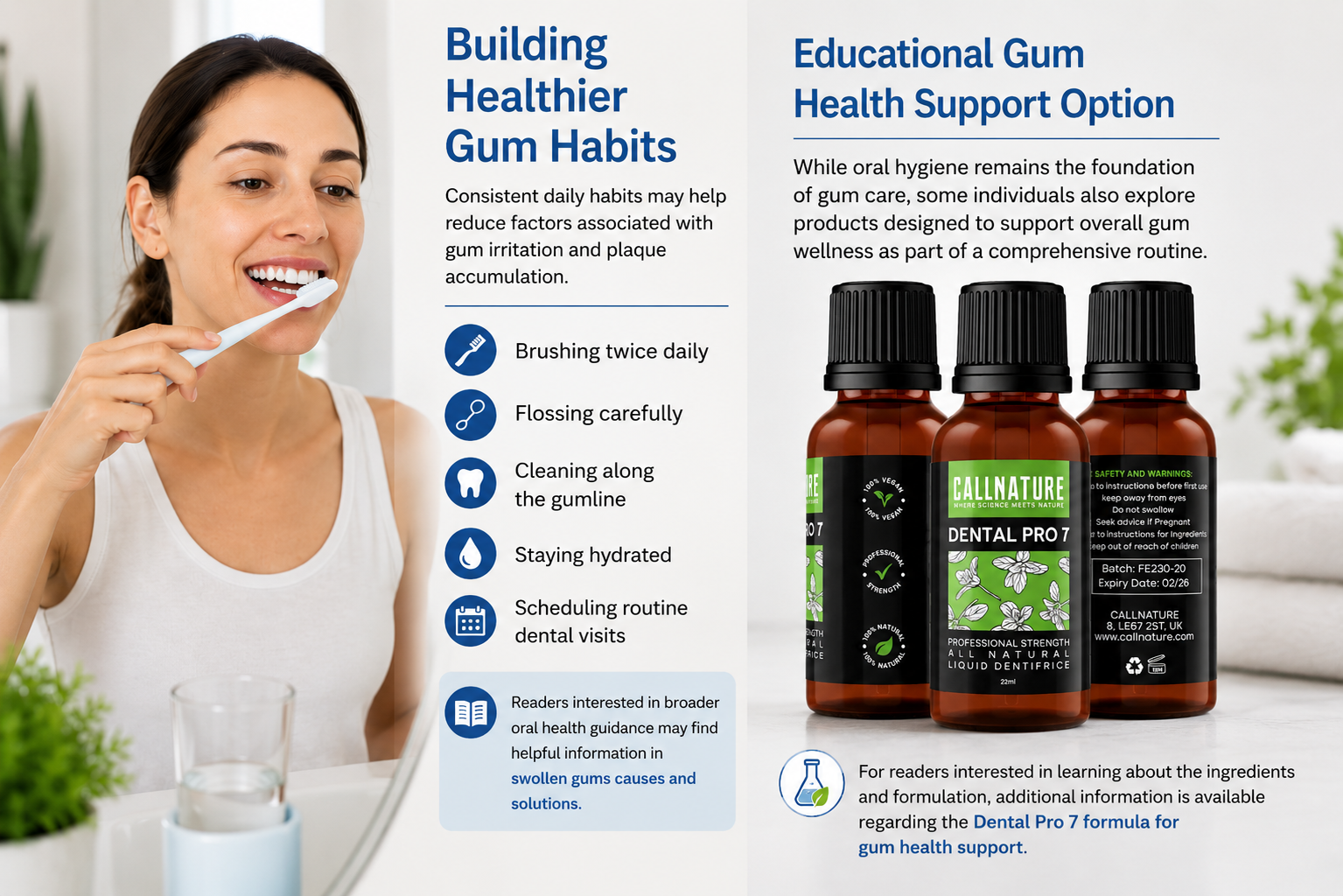
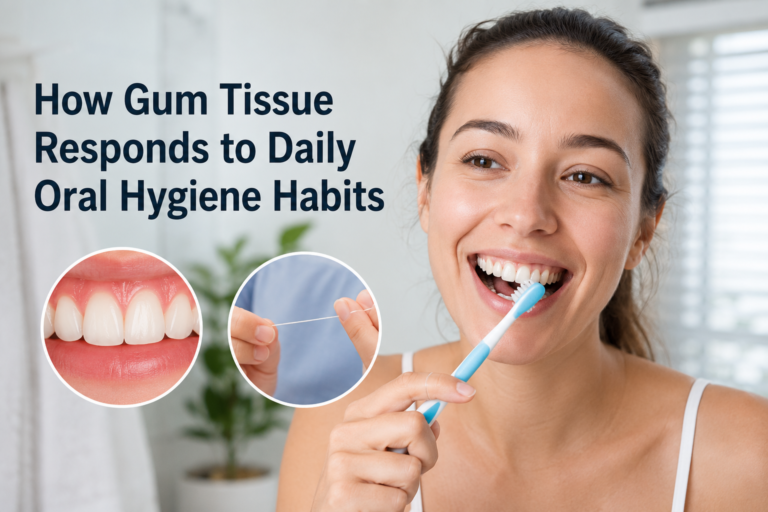
Consistent daily habits may help reduce factors associated with gum irritation and plaque accumulation.
Helpful practices include:
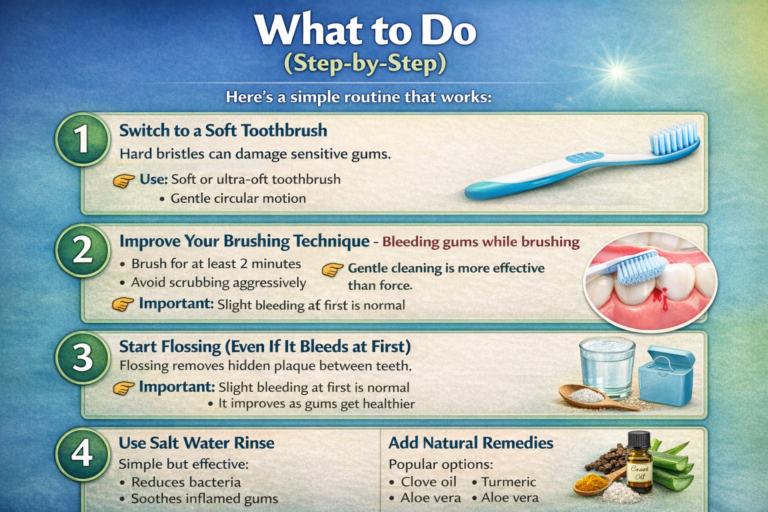
- Brushing twice daily
- Flossing carefully
- Cleaning along the gumline
- Staying hydrated
- Scheduling routine dental visits
Readers interested in broader oral health guidance may find helpful information in swollen gums causes and solutions:
Educational Gum Health Support Option
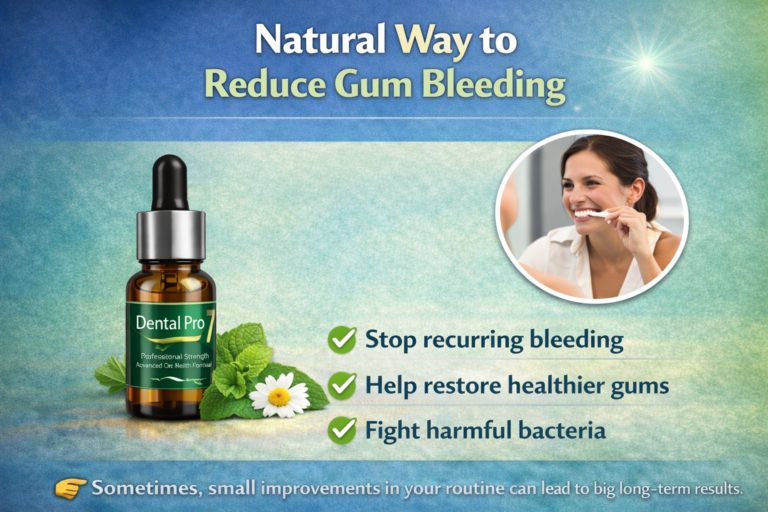
While oral hygiene remains the foundation of gum care, some individuals also explore products designed to support overall gum wellness as part of a comprehensive routine.
Learn more about this natural dental solution for teeth and gum health:
For readers interested in learning about the ingredients and formulation, additional information is available regarding the Dental Pro 7 formula for gum health support:
When Should You See a Dentist?
Professional evaluation may be appropriate if swelling:
- Persists longer than several days
- Continues to worsen
- Causes significant pain
- Produces pus
- Is accompanied by fever
- Interferes with eating or sleeping
According to guidance from the CDC, ADA, and NIH, early evaluation may help identify underlying causes before more significant complications develop.
Final Thoughts
Swelling around one tooth can feel alarming, particularly when the rest of the mouth appears healthy.
The cause may range from trapped food and minor irritation to localized infection, periodontal disease, or tooth-root problems. Because several conditions can produce similar symptoms, identifying the exact source often requires careful observation and, in some cases, professional dental evaluation.
Paying attention to changes in gum appearance, discomfort, and oral hygiene habits may help support earlier detection and more effective management of potential issues.
FAQ
Why is only one area of my gum swollen?
Localized swelling often occurs when inflammation, irritation, or infection develops around a specific tooth rather than throughout the entire mouth.
Can trapped food cause gum swelling?
Yes. Food impaction may irritate gum tissue and contribute to localized inflammation.
Is a swollen gum around one tooth always an infection?
No. Swelling may also result from trauma, plaque accumulation, wisdom teeth, or periodontal issues.
How long should gum swelling last?
Minor irritation may improve within several days. Persistent swelling should be evaluated by a dental professional.
Can gum disease affect only one tooth?
Yes. Early periodontal changes may sometimes develop around specific teeth before affecting other areas.
Should I continue brushing near a swollen gum?
Gentle brushing and cleaning are generally important, but aggressive cleaning may worsen irritation.
References
- National Institutes of Health (NIH)
- National Center for Biotechnology Information (NCBI)
- PubMed
- American Dental Association (ADA)
- Centers for Disease Control and Prevention (CDC)
- Mayo Clinic
- Cleveland Clinic
- Various peer-reviewed periodontal research publications
About the Author
Dental Pro 7 Ingredients Editorial Team
The Dental Pro 7 Ingredients Editorial Team develops evidence-based educational content focused on oral health, gum care, dental hygiene, and preventive wellness. Content is informed by scientific literature, public health resources, and peer-reviewed research to help readers better understand oral health topics.
Disclaimer – Gum Swelling Around One Tooth
This article is intended for educational purposes only and should not be considered medical advice. It is not a substitute for professional dental evaluation, diagnosis, or treatment. Always consult a qualified dentist or healthcare professional regarding concerns about your oral health.