
Swollen Gums: Causes, Symptoms, and Solutions for Oral Health
Swollen Gums: Causes, Symptoms, and Solutions for Oral Health
Swollen gums: Last Updated: September 17, 2026 | ⏱️ Min Read: 11 min read
Medically described as gingival inflammation or swelling, are a common oral health concern that can affect people of different ages. The gums may appear red, puffy, tender, or shiny, while the underlying cause can range from plaque buildup and irritation to gum disease, infection, hormonal changes, or certain health conditions.
Understanding the possible cause provides a useful starting point for choosing appropriate daily oral care and recognizing situations that may require professional dental evaluation. Early attention can also help readers monitor changes in gum appearance, comfort, and overall oral health.
Several factors can contribute to swollen gums. Common causes include plaque buildup, gum disease, irritation, infection, hormonal changes, and certain health conditions.
Understanding the possible cause can help you choose appropriate daily care. It can also help you recognize when professional dental evaluation is appropriate.
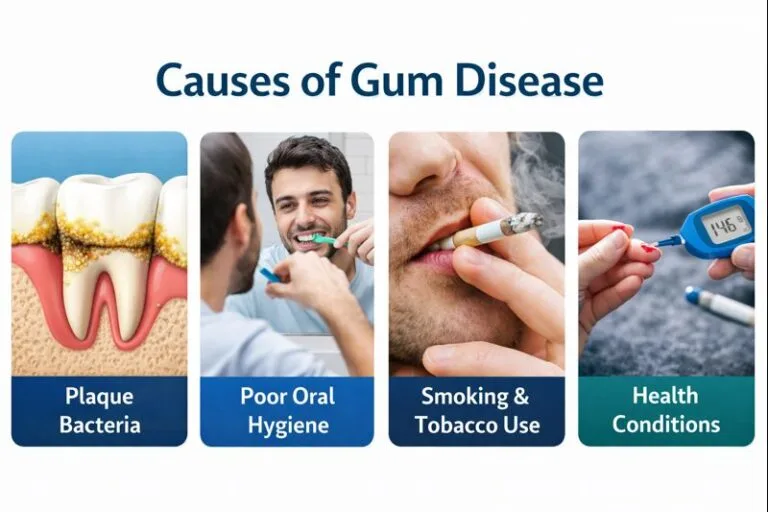
Causes of Swollen Gums
Swollen gums can develop for several reasons. Identifying the possible cause is an important first step toward supporting healthier gum tissue.
1. Gum Disease: Gingivitis and Periodontitis
One of the most common causes of swollen gums is gum disease.
Gingivitis is an early form of gum inflammation. It can often improve with appropriate oral hygiene and professional care. Plaque buildup along the gumline can trigger inflammation and make the gums swollen, tender, or more likely to bleed.
When gum disease progresses, it can develop into periodontitis. This condition can affect the tissues and bone that support the teeth.
People concerned about gum recession can also explore receding gums and oral health to understand how changes in gum tissue may relate to broader oral health concerns.
2. Poor Oral Hygiene
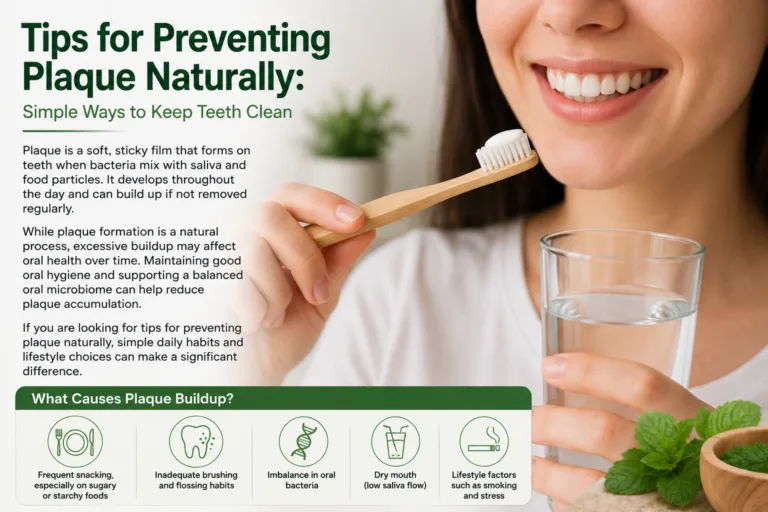
Inconsistent brushing and interdental cleaning can allow plaque to accumulate around the teeth and gumline.
Plaque contains many types of bacteria. When plaque remains on oral surfaces, it can contribute to gum inflammation.
Daily brushing and cleaning between teeth help manage plaque. Regular dental visits also support long-term gum health.
3. Nutritional Deficiencies and Health Conditions
Nutrition plays an important role in maintaining healthy oral tissues. In particular, inadequate vitamin C intake can affect gum health.
Certain health conditions can also influence the gums. Diabetes and immune-related conditions may affect oral health and the body’s response to inflammation.
Persistent or recurring gum swelling deserves professional evaluation, especially when other symptoms are present.
4. Irritation and Trapped Debris
Food particles can become trapped between teeth or near the gumline. Dental appliances, restorations, and other sources of local irritation can also contribute to localized swelling.
Gentle cleaning between the teeth can help remove debris. It also supports a cleaner environment around the gums.
5. Hormonal Changes
Hormonal changes can influence gum sensitivity and inflammation. Pregnancy, puberty, and menopause are periods when some people may notice increased gum sensitivity or swelling.
Consistent oral hygiene during these periods can help support healthier gums.
Symptoms of Swollen Gums
Swollen gums can appear alongside several other changes in the mouth. Common symptoms include:
- Red or puffy gum tissue
- Tenderness around the gumline
- Bleeding during brushing or flossing
- Gum sensitivity
- Persistent bad breath
- Bad taste in the mouth
- Changes in gum position or recession
If swelling continues for more than two weeks, becomes more pronounced, or occurs with pain, consider consulting a dental professional.
How Healthy Gums Typically Look
Knowing what healthy gum tissue looks like can make changes easier to recognize.
Healthy gums generally fit closely around the teeth and maintain a firm, well-defined appearance. Gum color naturally varies between individuals.
Persistent swelling, tenderness, or frequent bleeding can provide a useful reason to review your oral care routine.
For a detailed comparison, read our guide on what healthy gums usually look like.
### Support Your Daily Gum Care With Dental Pro 7
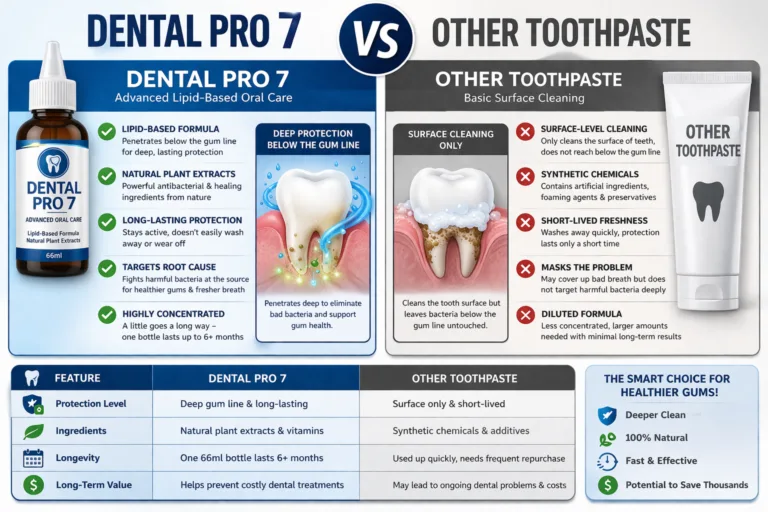
If swollen or sensitive gums have encouraged you to improve your daily oral care routine, Dental Pro 7 can be considered as a complementary botanical-based oral care product.
Its formulation is designed to complement regular brushing and other established oral hygiene habits.
Learn more about its approach to gum care in Dental Pro 7 Natural Gum Health Solution.
Managing Swollen Gums
The appropriate approach depends on the underlying cause. Daily oral hygiene can support gum health, while persistent or advanced problems may require professional dental treatment.
Professional Dental Care
A dentist can examine swollen gums and determine the likely cause.
Depending on the findings, treatment may include professional plaque and tartar removal, scaling and root planing, periodontal treatment, or other appropriate care.
Professional evaluation becomes particularly important when swelling persists, returns frequently, or occurs alongside pain, pus, significant bleeding, or tooth mobility.
Home Care Strategies
Several practical habits can support healthier gums as part of a complete oral care routine.
1. Improve Daily Oral Hygiene
- Brush twice daily with a soft-bristled toothbrush.
- Clean between teeth every day.
- Use gentle movements around the gumline.
- Clean the tongue regularly.
- Replace your toothbrush when the bristles become worn.
Consistent plaque removal is an important foundation for maintaining healthy gums.
2. Maintain a Balanced Diet and Good Hydration
A varied diet provides nutrients that support normal tissue maintenance.
Fruits, vegetables, protein sources, and other nutrient-rich foods can contribute to overall oral wellness.
Adequate hydration also supports normal saliva production. Saliva contributes to the natural protective functions of the mouth.
3. Consider a Warm Saltwater Rinse
A warm saltwater rinse can provide temporary comfort when gums feel irritated.
Simple method:
- Mix approximately ½ teaspoon of salt with warm water.
- Gently rinse for about 30 seconds.
- Spit out the solution.
- Continue regular brushing and interdental cleaning.
Saltwater rinses can complement oral hygiene. They are not a substitute for professional treatment when an underlying condition requires care.

Choosing a Toothbrush That Is Gentle on Inflamed Gums
When gums are swollen, brushing may feel uncomfortable. Some people may then reduce cleaning around sensitive areas, allowing plaque to remain near the gumline.
The toothbrush can influence brushing comfort. A soft-bristled brush combined with gentle technique can provide effective daily cleaning while reducing unnecessary pressure on sensitive gum tissue.
For a detailed comparison, see our guide on soft-bristled toothbrushes versus hard bristles for gum health.
Water Flossing for Swollen and Sensitive Gums
Cleaning between teeth is an important part of plaque control. Some people find a water flosser easier to use around sensitive areas than traditional string floss.
A water flosser uses a controlled stream of water to clean between teeth and along the gumline. It may be particularly useful for people with braces, bridges, or other dental appliances.
For practical guidance, read our guide on Water Flossers and Gum Care: What Users Should Know.
Can Dental Pro 7 Support Swollen Gum Care?
Dental Pro 7 is a botanical-based oral care product marketed to support daily oral hygiene and gum health.
Its formulation is intended to complement routine brushing and other oral care practices.
The product should be viewed as part of a broader oral hygiene routine. Persistent swelling still requires attention to its underlying cause.
Readers who want to understand the product’s approach can explore Dental Pro 7 Professional-Strength Natural Dental Solution for Teeth and Gum Health.
What Dental Pro 7 Is Intended to Support
The product is presented as supporting several aspects of everyday oral care, including:
- Oral cleanliness
- Gum care
- Management of bacteria associated with plaque
- A botanical approach to daily oral hygiene
Individual experiences can vary. People with persistent gum swelling should address the underlying cause with appropriate dental care.
How to Use Dental Pro 7 as Part of an Oral Care Routine
For readers who choose to include Dental Pro 7 in their routine, follow the product’s current directions carefully.
A typical routine may involve:
- Apply the recommended amount to your toothbrush.
- Brush gently along the gumline and tooth surfaces.
- Follow the product instructions regarding rinsing.
- Maintain consistent daily oral hygiene.
Product directions can change, so always follow the instructions provided with the product.
For a broader assessment of the product, ingredients, and user considerations, read the Dental Pro 7 Review: Benefits, Ingredients, Pros, Cons & Real Results.
Dental Pro Seven – Natural Gum Health Solution (image)
Daily Habits That Help Maintain Healthy Gums
Preventive care focuses on consistent habits that support plaque control and overall oral wellness.
A practical routine can include:
- Brush twice daily.
- Clean between teeth every day.
- Use a soft-bristled toothbrush.
- Clean the tongue.
- Drink enough water.
- Choose a balanced diet.
- Avoid tobacco use.
- Schedule regular dental checkups.
For more practical advice, explore how to maintain healthy gums with simple daily habits.
How Gum Tissue Responds to Daily Oral Hygiene
Gum tissue responds to the conditions created by daily oral care.
Consistent plaque removal can help maintain a cleaner environment around the gumline. Gentle brushing, interdental cleaning, and regular dental care all contribute to daily plaque management.
These habits also make it easier to notice changes such as bleeding, tenderness, or recession.
Learn more about how gum tissue responds to daily oral hygiene habits and why consistency matters for long-term gum care.
When to See a Dentist for Swollen Gums
Swollen gums can have different underlying causes. Professional evaluation can help identify the most appropriate treatment.
Consider seeing a dentist when:
- Swelling continues for more than two weeks.
- Bleeding occurs frequently.
- Gum recession becomes more noticeable.
- Significant pain develops.
- Pus appears around the gums.
- A tooth becomes loose.
- Swelling returns repeatedly.
Prompt evaluation can help identify gum disease, infection, irritation, or another underlying cause.
Related Guides
Readers interested in improving their overall gum health can also explore:
- How to Stop Bleeding Gums Naturally
- Oil Pulling Benefits for Gum Health
- Understanding Dental Pro 7, Receding Gums and Oral Health
- Water Flossers and Gum Care
Can Swollen Gums Be Prevented?
Many daily habits can support healthier gums and reduce common contributors to inflammation.
Focus on:
- Regular brushing and interdental cleaning
- Gentle gumline care
- A balanced diet
- Adequate hydration
- Regular dental examinations
- Avoiding tobacco use
- Addressing persistent dry mouth
The goal is to create a consistent routine that supports gum health over time.
Frequently Asked Questions
What causes swollen gums?
Swollen gums can have several causes, including plaque buildup, gingivitis, periodontitis, irritation, hormonal changes, nutritional factors, and certain health conditions.
How do I know if swollen gums need professional care?
Persistent swelling, frequent bleeding, significant pain, pus, gum recession, or tooth mobility are reasons to seek professional dental evaluation.
Can swollen gums improve with better oral hygiene?
Gum inflammation associated with plaque buildup may improve when daily oral hygiene becomes more consistent. The underlying cause determines the appropriate treatment.
Is saltwater useful for swollen gums?
A warm saltwater rinse can provide temporary comfort for irritated gums. It works as a supportive measure alongside regular oral hygiene.
Is a soft toothbrush better for swollen gums?
A soft-bristled toothbrush can provide gentle cleaning and may feel more comfortable when gums are sensitive or inflamed. Brushing technique and consistency also matter.
Can a water flosser help with gum care?
A water flosser can help clean between teeth and around the gumline. It may be particularly useful for people who find traditional flossing difficult.
Read our guide on Water Flossers and Gum Care for more information.
Can Dental Pro 7 be part of a gum care routine?
Dental Pro 7 can be used as a complementary oral care product alongside regular brushing, interdental cleaning, and professional dental care.
For a detailed product overview, read the Dental Pro 7 Review: Benefits, Ingredients, Pros, Cons & Real Results.
Conclusion
Swollen gums can develop from several factors, with plaque buildup and gum inflammation among the common contributors.
A consistent oral care routine can support healthier gums. Gentle brushing, cleaning between teeth, good nutrition, hydration, and regular dental checkups all play useful roles.
People interested in a botanical-based oral care approach can also consider Dental Pro 7 as part of their daily routine.
Persistent swelling, bleeding, pain, pus, recession, or tooth mobility deserves professional dental evaluation. Identifying the cause can help determine the appropriate care and support long-term oral health.
Affiliate Disclosure: This article contains affiliate links. If you choose to purchase through these links, we may earn a small commission at no additional cost to you. This supports our ongoing research and content creation while maintaining our commitment to educational oral health content.