
How to Maintain Healthy Gums: Simple Daily Habits for Better Oral Health
How to Maintain Healthy Gums: Simple Daily Habits for Better Oral Health
How to Maintain Healthy Gums: Healthy gums play an essential role in supporting strong teeth and overall oral health. While many people focus on keeping their teeth clean, gum health is just as important for maintaining a stable and healthy mouth.
Gums help protect the roots of teeth and support the structures that hold them in place. When gums are well maintained, they help create a balanced oral environment.
If you are wondering how to maintain healthy gums, the answer often lies in consistent daily habits and proper oral care.
Why Gum Health Matters
Healthy gums are typically firm, pink, and free from irritation. They help protect teeth and support overall oral stability.
When gums become irritated, swollen, or sensitive, it may indicate an imbalance in the oral environment.
Maintaining gum health helps support:
strong teeth
balanced oral bacteria
overall oral wellness
Because the mouth contains many types of bacteria, maintaining balance plays a key role in gum health.
Brush Gently and Consistently
Brushing your teeth properly is one of the most important habits for maintaining healthy gums.
Use a soft-bristled toothbrush and brush twice daily. Gentle brushing helps remove plaque without irritating the gumline.
Tips for brushing:
use small circular motions
avoid brushing too hard
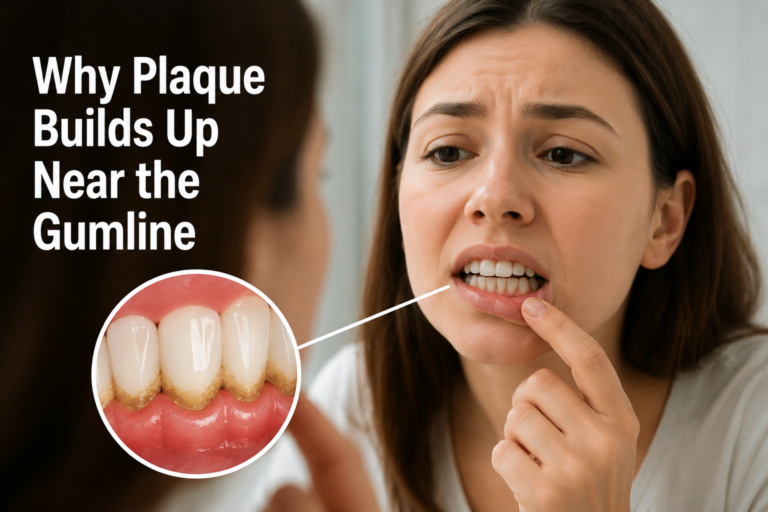
clean along the gumline
Consistent brushing helps maintain a clean and balanced oral environment.
Brushing Pressure Is Not the Same as Effective Cleaning
Many people assume that brushing harder removes more plaque. In reality, plaque is relatively soft and can usually be disrupted without aggressive scrubbing. Applying excessive pressure may leave gums feeling irritated while providing little additional cleaning benefit.
Using an appropriately designed toothbrush and focusing on gentle, controlled movements along the gumline can support a more comfortable brushing experience. Learn more in our guide to soft-bristled toothbrushes versus hard bristles for gum health, which explores how bristle firmness and brushing technique work together to support healthier gums.
Floss Daily
Flossing removes food particles and plaque from between teeth where toothbrushes cannot reach.
These areas are common places where bacteria can accumulate and affect gum health.
Flossing once a day helps maintain cleaner spaces between teeth and supports overall gum care.
A consistent oral care routine is important, but it can also be helpful to understand what healthy gums actually look like. Healthy gums typically fit closely around the teeth, maintain a firm appearance, and do not show persistent swelling or bleeding during routine brushing and flossing. Because natural gum color varies from person to person, recognizing the overall characteristics of healthy gum tissue may be more useful than focusing on color alone. Our guide on what healthy gums usually look like explains common signs of healthy gums and how to recognize changes that may deserve attention.
Can Water Flossers Support a Healthy Gum Care Routine?
Maintaining healthy gums often involves cleaning areas that a toothbrush cannot easily reach. While traditional floss remains a common recommendation for interdental cleaning, water flossers have become increasingly popular among people looking for an alternative or complementary tool.
A water flosser uses a focused stream of water to help remove food particles and flush debris from between teeth and along the gumline. This can be particularly useful for individuals with braces, dental bridges, implants, or areas that are difficult to clean with conventional floss.
One important point to understand is that removing food debris and managing oral biofilm are not exactly the same process. A mouth may feel cleaner immediately after water flossing, but maintaining healthy gums still depends on consistent brushing, plaque control, and overall oral hygiene habits.
Water flossers are often most effective when used as part of a complete oral care routine rather than as a replacement for brushing or other recommended cleaning methods. Their role is to support interdental cleaning and help maintain a healthier environment around the gums.
If you’d like a deeper understanding of how water flossers interact with plaque, gum health, oral biofilm, and daily oral hygiene habits, see our detailed guide on Water Flossers and Gum Care: What Users Should Know.
Maintain a Balanced Diet
Diet plays an important role in oral health.
Eating nutrient-rich foods helps support healthy gums. Try to include:
vegetables
fruits
whole foods
Limiting sugary foods may also help reduce conditions that encourage bacterial imbalance.
You can learn more here: Foods That Support Oral Bacteria
Stay Hydrated
Drinking enough water helps maintain saliva production.
Saliva plays an important role in:
washing away food particles
regulating bacteria
maintaining oral moisture
A well-hydrated mouth supports a healthier oral environment.
Support the Oral Microbiome
Gum health is closely connected to the balance of bacteria in the mouth.
Supporting beneficial bacteria may help maintain conditions that support healthy gums.
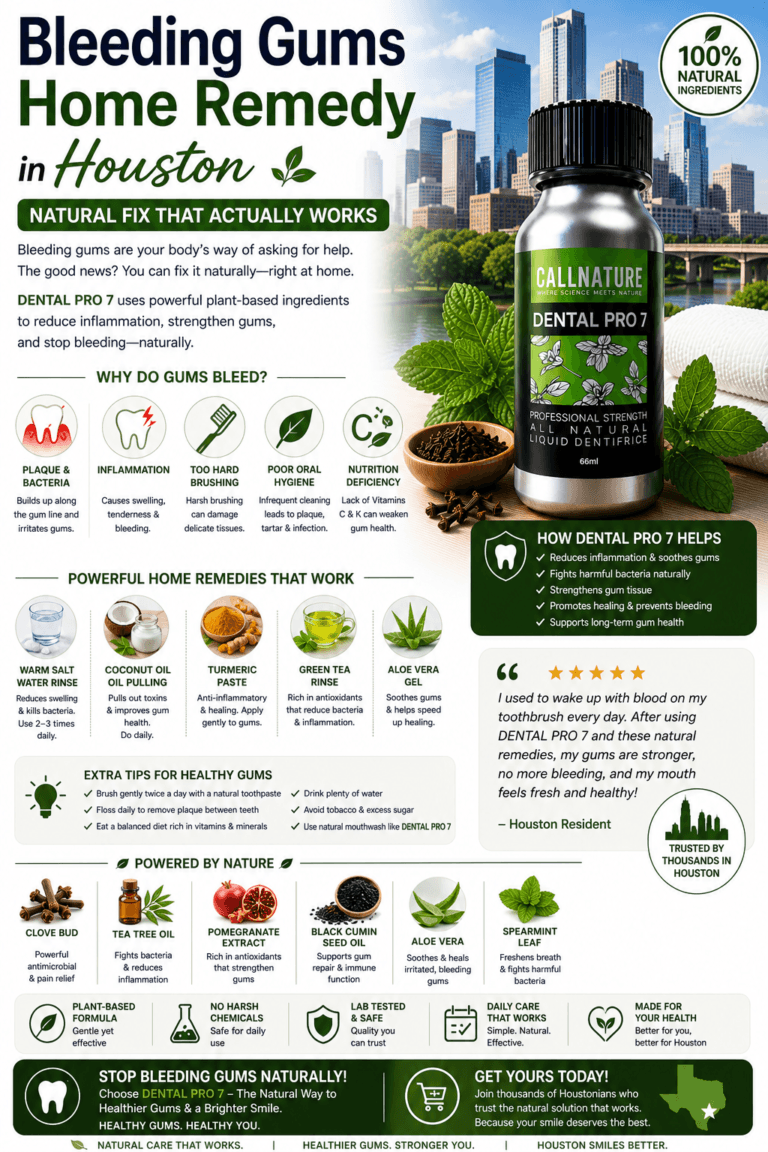
Some people explore oral probiotic supplements such as Dental Pro 7 for this purpose.
You can learn more in these guides:
Understanding the Role of Oral Microbiome Support
Healthy gums are influenced by more than plaque removal alone. Researchers increasingly recognize that the oral microbiome—the diverse community of bacteria living in the mouth—plays an important role in maintaining a balanced oral environment. When beneficial and potentially harmful bacteria remain in balance, gum tissues may be better able to maintain normal health alongside good daily hygiene practices.
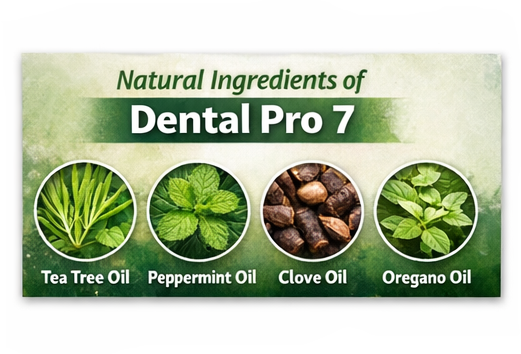
This growing understanding has led to interest in oral probiotic supplements designed to complement brushing, flossing, and routine dental care. If you’re curious about how these products are formulated, our guide to Dental Pro 7 ingredients and formula explains the probiotic strains, vitamins, minerals, and supporting compounds commonly used in oral microbiome-focused supplements.
How to Know Whether Your Gum Care Routine Is Working
Building healthy habits is important, but many people wonder how to tell whether those habits are actually supporting their gums.
One practical way to evaluate your progress is by paying attention to changes in gum appearance. Healthy gums typically appear firm, fit closely around the teeth, and show no signs of persistent swelling or bleeding during routine cleaning. Gum color can vary naturally between individuals, but healthy tissue generally maintains a consistent appearance.
If you’re unsure what healthy gum tissue looks like, our guide on what healthy gums usually look like explains common signs of healthy gums, healthy gum color, and changes that may indicate irritation or inflammation.nal link ke:
Visit Your Dentist Regularly
Routine dental visits are essential for maintaining gum health.
Dentists help: remove plaque buildup, monitor gum condition and identify early signs of issues
Regular checkups support long-term oral health.
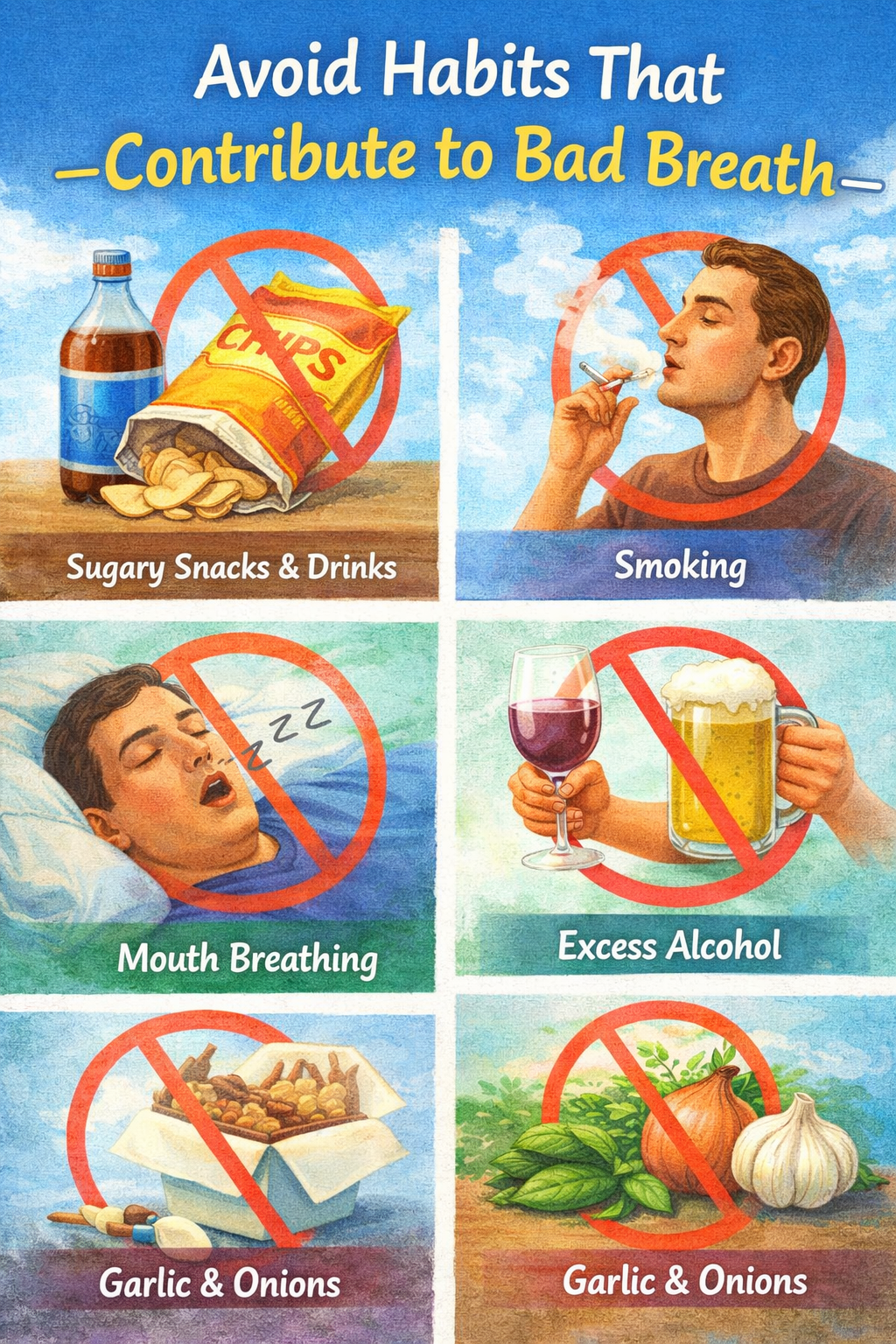
Avoid Habits That Affect Gum Health
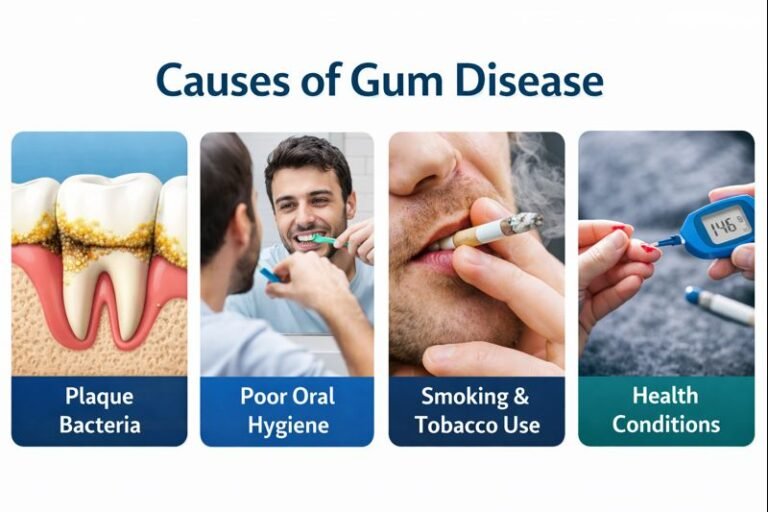
Certain habits may negatively affect gum health.
Try to avoid:
smoking
poor oral hygiene
excessive sugar consumption
Making healthier choices helps maintain a balanced oral environment.
Try Dental Pro 7
If you are interested in supporting your oral microbiome, probiotic supplements like Dental Pro 7 may be worth exploring.
Supporting bacterial balance alongside proper oral hygiene may help maintain healthier gums.
FAQ – How to Maintain Healthy Gums
What is the best way to keep gums healthy?
Brushing gently, flossing daily, and maintaining a balanced diet are key habits for healthy gums.
How can I improve gum health naturally?
Maintaining good oral hygiene, staying hydrated, and supporting beneficial bacteria may help support gum health.
Does diet affect gum health?
Yes. Diet plays an important role in maintaining a balanced oral environment.
Can probiotics help gum health?
Oral probiotics are designed to support beneficial bacteria that may help maintain a healthy oral microbiome.