Dry Mouth at Night and Its Connection to Gum Health
Dry Mouth at Night and Its Connection to Gum Health
Dry Mouth at Night and Its Connection to Gum Health: Last Updated: July 30, 2026, ⏱️ 10 min read
Waking up with a dry, sticky mouth can be easy to dismiss. A sip of water usually brings temporary relief, and the sensation may disappear after breakfast. Yet when dry mouth at night becomes a frequent occurrence, it can quietly influence the environment inside the mouth, including the health of the gums.
Saliva does much more than keep the mouth comfortable. It helps cleanse oral tissues, supports the balance of bacteria, and contributes to the protection of teeth and gums. When saliva production drops during sleep, these protective functions may become less effective.
The connection between dry mouth at night, gums and saliva, and overall gum health is often overlooked. Understanding this relationship can help people make informed decisions about their daily oral care habits and recognize when persistent dryness deserves further attention.
Why Saliva Plays a Vital Role in Gum Health
Saliva is sometimes described as the mouth’s natural maintenance system.
Throughout the day, saliva continuously rinses away food debris, helps neutralize acids, and supports the balance of microorganisms that naturally live in the oral cavity. It also contains proteins, enzymes, and minerals that contribute to a healthier oral environment.
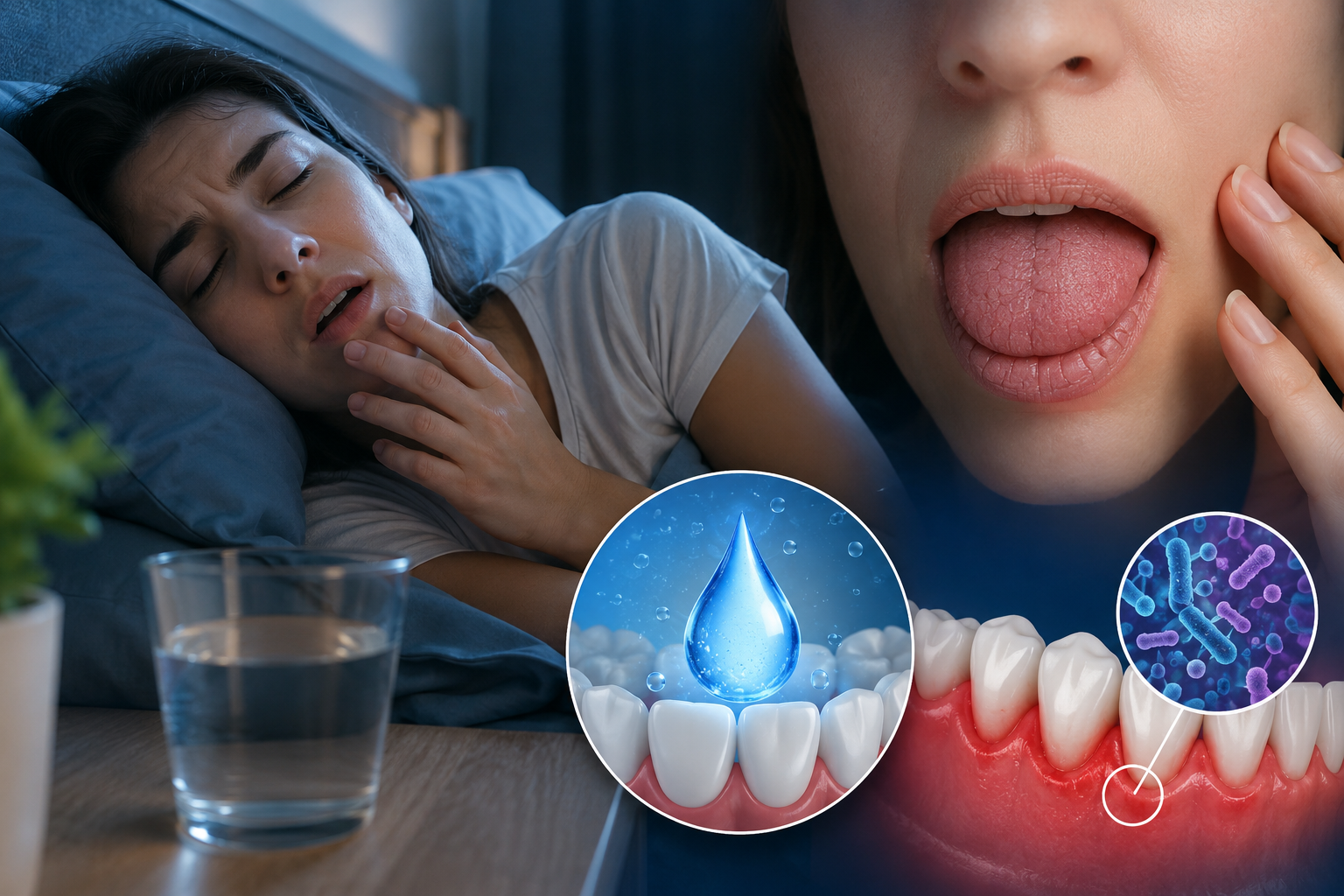
During sleep, saliva production naturally decreases. This reduction is normal. However, certain factors can make nighttime dryness more noticeable, including mouth breathing, dehydration, medications, aging, allergies, and some medical conditions.
When saliva becomes too limited, the mouth may feel dry upon waking, and the gums may receive less support from one of the body’s natural protective mechanisms.
How Dry Mouth, Saliva, and Gum Health Are Connected
Support Your Gums Before Dry Mouth Becomes a Bigger Problem
Dry mouth during sleep can reduce saliva’s natural protective role, allowing bacteria to remain on teeth and along the gumline for longer periods. Supporting a balanced oral environment every day may help maintain healthier gums and fresher breath.
If you’re looking for a botanical oral care formula designed to complement brushing and flossing, Dental Pro 7 is formulated to support the oral microbiome using naturally derived ingredients.
👉 Learn More About Dental Pro 7 and See the Latest Available Packages
Saliva Helps Protect Gum Tissue
Healthy gums exist within a constantly changing environment.
Food particles, bacteria, and natural metabolic processes all influence the tissues surrounding the teeth. Saliva acts as a buffer, helping reduce irritation and supporting the body’s normal maintenance of oral tissues.
When saliva flow is reduced for extended periods, the gumline may become more vulnerable to bacterial accumulation and irritation.
This does not mean that dry mouth directly causes gum disease. Rather, it can create conditions that make gum care more challenging.
The Oral Microbiome May Shift
The mouth contains a diverse community of bacteria known as the oral microbiome.
A balanced microbiome contributes to oral health, while disruptions can affect the surrounding tissues. Saliva plays a role in regulating this ecosystem by helping control bacterial populations and distributing protective compounds throughout the mouth.
If you’re interested in how bacterial balance influences oral wellness, you may also enjoy reading our guide on oral microbiome and dental health and why bacteria balance matters.
Why Dry Mouth Often Becomes Worse During Sleep
Mouth Breathing During Sleep
One of the most common observations among people who experience nighttime dry mouth is waking with a particularly dry tongue or throat.
In many cases, mouth breathing contributes to this sensation. Nasal congestion, seasonal allergies, sleeping position, or structural airway issues may encourage breathing through the mouth during sleep.
The continuous airflow can increase moisture loss from oral tissues for several hours at a time.
Medication-Related Dryness
Hundreds of prescription and over-the-counter medications list dry mouth as a potential side effect.
These may include medications used for allergies, blood pressure management, anxiety, depression, sleep support, and other health concerns.
The effect can be subtle during the day but more noticeable after several hours of sleep.
Dehydration Before Bedtime
A practical observation often overlooked is simple hydration status.
Individuals who consume limited fluids throughout the day, exercise intensely, consume alcohol in the evening, or spend time in dry indoor environments may notice more significant oral dryness overnight.
Signs That Dry Mouth May Be Affecting Your Gum Health
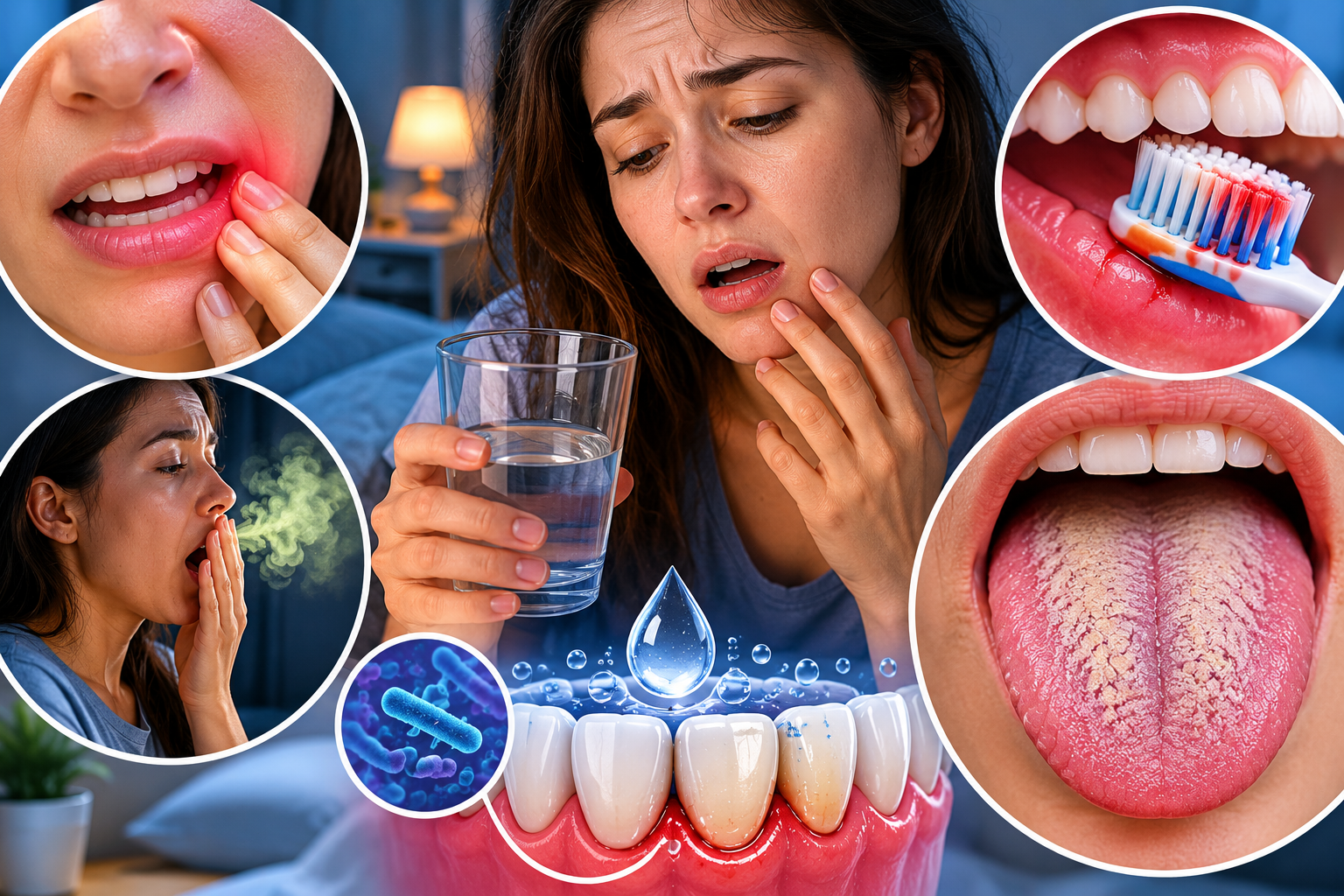
Increased Gum Sensitivity
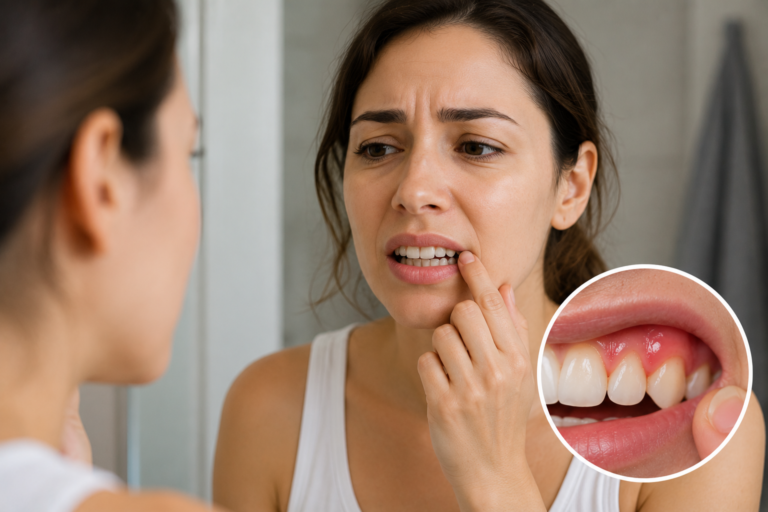
Gums may feel slightly more sensitive when saliva levels remain low.
This sensitivity may be especially noticeable during brushing or flossing first thing in the morning.
Persistent Morning Breath
Morning breath is normal to some degree, but persistent dryness can contribute to stronger odors because bacteria thrive more easily when saliva flow is reduced.
If persistent morning breath continues despite good oral hygiene, explore Dental Pro 7 Bad Breath Review Probiotic Support to learn how bacterial balance may influence breath freshness.
Occasional Bleeding During Brushing
When gum tissues become irritated, mild bleeding may sometimes occur.
Bleeding gums can have multiple causes, so it is important not to assume dryness is the only explanation. Our article on why gums bleed during brushing and what it may indicate explores additional factors that may contribute to this symptom.
Sticky or Coated Feeling in the Mouth
A sticky sensation, coated tongue, or difficulty swallowing upon waking may indicate reduced nighttime saliva production.
These signs do not automatically point to a serious problem, but recurring symptoms are worth monitoring.
How Dry Mouth May Affect the Oral Microbiome
Researchers continue to explore the relationship between saliva and microbial balance.
Saliva affects how bacteria interact with oral surfaces and influences which microorganisms thrive in different parts of the mouth. When saliva decreases, the conditions within the oral environment may shift.
This is one reason why supporting a healthy oral microbiome is increasingly discussed in preventive oral care.
For additional practical strategies, see our article on how to improve the oral microbiome naturally for better oral health.
Practical Ways to Support Gum Health When You Have Dry Mouth at Night
Focus on Hydration Throughout the Day
Rather than relying on a large glass of water immediately before bed, maintaining consistent hydration throughout the day may provide better support for normal saliva production.
Diet also influences oral bacteria. Read Foods That Support Oral Bacteria: Best Diet for a Healthy Oral Microbiome for practical nutrition strategies that complement hydration.
Address Mouth Breathing When Possible
If allergies or nasal congestion contribute to mouth breathing, discussing the issue with a healthcare professional may help identify potential solutions.
Maintain Gentle Oral Hygiene
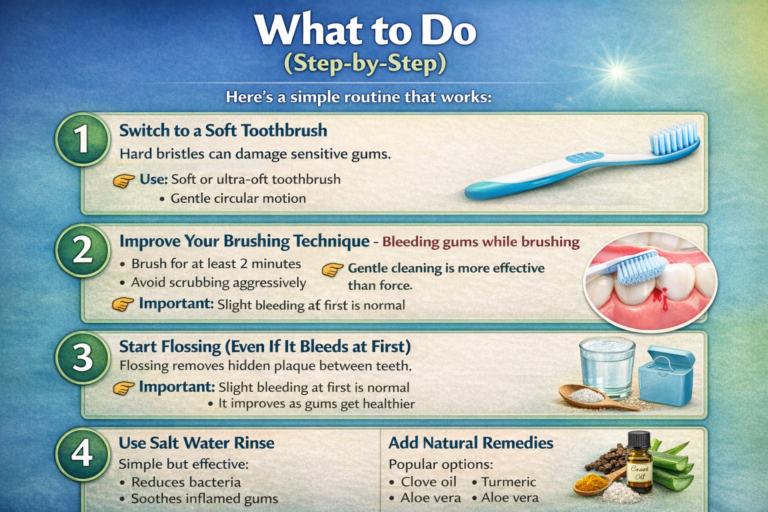
People experiencing dry mouth sometimes brush more aggressively because their mouth feels coated or uncomfortable.
In reality, a gentle approach is often more beneficial for sensitive gum tissues.
A soft-bristled toothbrush can help clean effectively while reducing unnecessary irritation along the gumline. Those interested in upgrading their oral care routine can explore oral hygiene tools and soft-bristle options through trusted retailers such as Amazon: https://amzn.to/3PHKCeD
Botanical ingredients have long been used in oral care. Learn more in Best Essential Oils for Gum Health Support, which explains commonly studied essential oils.
Consider Your Daily Oral Care Routine
Consistency matters more than complexity.
Brushing, flossing, cleaning along the gumline, and maintaining healthy daily habits often provide greater long-term benefits than searching for a single product or quick fix.
Our guide to building a natural oral care routine discusses simple habits that can support overall oral wellness.
When Dry Mouth Deserves Professional Attention
Occasional nighttime dryness is common.
However, persistent symptoms that interfere with comfort, sleep quality, speaking, swallowing, or daily activities should not be ignored.
Before adding any new oral care supplement, review Dental Pro 7 Side Effects Review and Safety Guide to understand ingredient safety and practical considerations.
If dry mouth continues despite lifestyle adjustments, a healthcare provider or dental professional may help identify contributing factors such as medication side effects, airway concerns, or underlying health conditions.
The goal is not merely reducing discomfort but understanding why the dryness is occurring.
Supporting Daily Oral Comfort and Healthy Gums

Managing dry mouth at night often involves a combination of practical habits rather than a single intervention.
Hydration, nasal breathing, gentle oral hygiene, and attention to gum health all contribute to a healthier oral environment. While dry mouth may seem like a minor inconvenience, it offers useful clues about how the mouth functions during sleep.
Because saliva plays such a central role in protecting oral tissues, supporting its natural functions can also support healthier gums.
For readers looking to complement a daily oral hygiene routine, products formulated with naturally derived ingredients are available from CallNature – Dental Pro 7
Readers interested in a broader overview can review Dental Pro 7 Comprehensive Review of Benefits, Ingredients and Scientific Evidence for detailed information about the formula and oral health approach.
FAQ – Dry Mouth at Night and Its Connection to Gum Health
Can dry mouth at night increase the risk of gum problems?
Reduced saliva may allow plaque and bacteria to remain on the teeth and gumline for longer periods. Over time, this can make maintaining healthy gums more challenging without consistent oral hygiene.
Why is my mouth dry only while I sleep?
Nighttime dry mouth is often associated with reduced saliva production during sleep, mouth breathing, certain medications, dehydration, allergies, or underlying medical conditions.
Can dry mouth contribute to bad breath?
Yes. Saliva helps wash away food particles and bacteria. When saliva production decreases, odor-causing bacteria may become more noticeable, particularly after waking up.
What can I do to reduce dry mouth naturally?
Staying hydrated throughout the day, encouraging nasal breathing, maintaining gentle oral hygiene, and avoiding excessive alcohol before bedtime may help reduce nighttime dryness.
Should I see a dentist for persistent dry mouth?
If dry mouth occurs frequently or is accompanied by pain, difficulty swallowing, persistent bad breath, or gum problems, consult a dental professional or healthcare provider for an evaluation.
About the Author
Dental Pro 7 Ingredients Editorial Team
The Dental Pro 7 Ingredients Editorial Team researches oral health topics, preventive dental care strategies, oral microbiome science, and evidence-based hygiene practices. Our goal is to translate complex oral health information into practical, understandable guidance that readers can apply in everyday life. Content is reviewed for accuracy, clarity, and relevance using current scientific literature and reputable health resources.
Disclaimer
This article is intended for educational and informational purposes only and should not be considered medical or dental advice. Individual oral health needs vary. Readers experiencing persistent dry mouth, gum discomfort, bleeding gums, or other oral health concerns should consult a qualified healthcare provider or dental professional for personalized evaluation and recommendations.