Common Flossing Mistakes That May Irritate Gums
Common Flossing Mistakes That May Irritate Gums
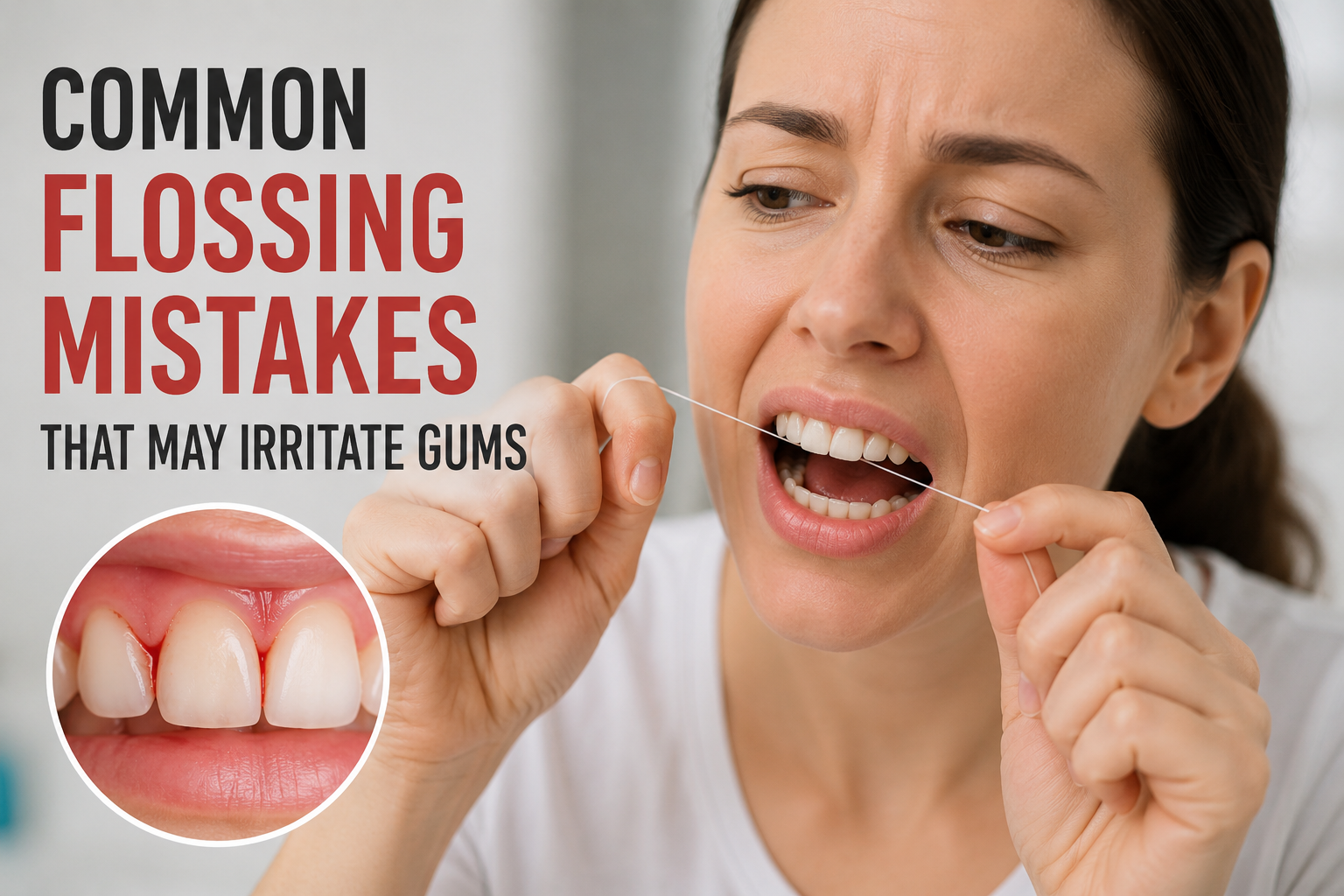
Common Flossing Mistakes That May Irritate Gums: A surprising number of people assume that sore or bleeding gums after flossing automatically mean something is wrong with floss itself. In reality, the problem is often related to technique. A thin strand of floss can be extremely effective when used properly, yet it can also irritate delicate gum tissue when used too aggressively or incorrectly.
One common scenario involves someone who starts flossing consistently after months or even years of neglecting interdental cleaning. Within a few days, the gums may become tender, bleed slightly, or feel irritated. The immediate reaction is often to stop flossing altogether. What frequently goes unnoticed is that the irritation may be linked to existing gum inflammation, improper flossing habits, or both.
Understanding the most common flossing mistakes can help reduce unnecessary gum irritation while supporting better plaque control and overall oral health.
Why Flossing Technique Matters More Than Most People Realize
Flossing is not simply about removing food particles trapped between teeth. While food debris removal is helpful, one of flossing’s primary functions is disrupting oral biofilm.
Oral biofilm is a structured community of bacteria that adheres to tooth surfaces and gum margins. Research published through PubMed and the National Institutes of Health (NIH) suggests that biofilm accumulation is closely associated with gingivitis and may contribute to periodontal disease when left unmanaged.
This distinction matters because a mouth can feel clean while biofilm remains attached below the gumline. The sensation of cleanliness does not always reflect the actual bacterial load present in interdental spaces.
When floss is used correctly, it can help disrupt these bacterial communities before they mature into more complex plaque deposits.
Snapping the Floss Into the Gums
Why This Happens
One of the most common mistakes occurs when floss is forced directly downward between teeth with excessive pressure.
Instead of gently guiding the floss through the contact point, the floss suddenly snaps into the gum tissue. This action can create small injuries along the gum margin.
Repeated trauma may contribute to:
- Gum tenderness
- Localized bleeding
- Temporary inflammation
- Increased sensitivity
Better Technique
The American Dental Association (ADA) recommends easing floss between teeth using a gentle back-and-forth motion rather than pushing forcefully downward.
Once the floss passes the contact point, it should be curved around the side of the tooth in a “C” shape and moved carefully below the gumline.
Using a Sawing Motion Too Aggressively
Many instructional videos demonstrate a slight side-to-side motion when inserting floss. Problems arise when this movement becomes overly forceful.
Aggressive sawing can repeatedly scrape soft gum tissue and may lead to irritation over time. The goal is not friction against the gums. The goal is disruption of plaque and biofilm attached to the tooth surface.
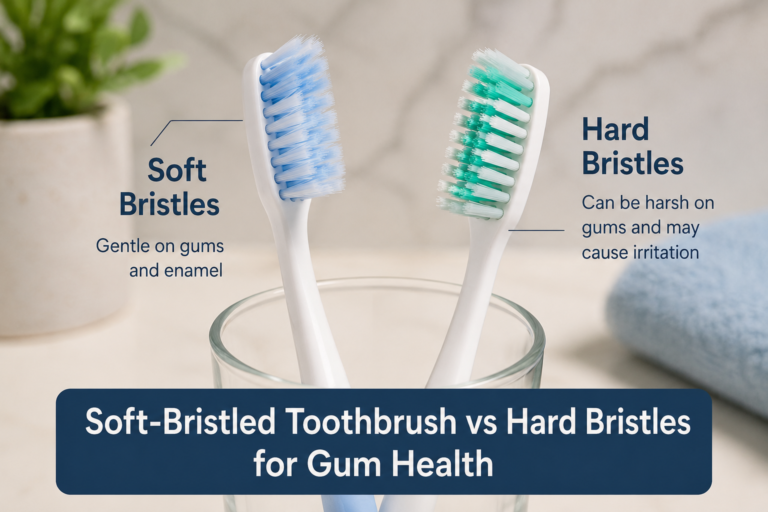
People with sensitive gums may benefit from evaluating their overall oral hygiene routine, including toothbrush selection. Choosing a softer brushing approach can reduce cumulative irritation. Readers interested in this topic may find helpful information in our guide on soft-bristled toothbrushes versus hard bristles for gum health.
Flossing Only Where Food Gets Stuck
Many individuals floss only when they notice something trapped between teeth. This habit creates a common misconception: flossing becomes a problem-solving tool rather than a preventive habit.
Plaque accumulation occurs even in areas where food rarely becomes lodged. Studies indexed in PubMed suggest that interdental plaque may accumulate in clinically healthy mouths without producing obvious symptoms. As a result, skipping “comfortable” areas can leave biofilm undisturbed for extended periods.
The Hidden Risk
Early gum inflammation often develops without noticeable pain. By the time symptoms appear, inflammation may already be present along multiple gum margins. This is one reason consistent interdental cleaning remains important even when the mouth feels normal.
Educational Gum Care Tip
A complete gum care routine typically includes brushing, flossing, tongue cleaning, and monitoring overall gum condition. Understanding what healthy gums usually look like can make it easier to recognize subtle changes before they become more significant.
Stopping Because the Gums Bleed
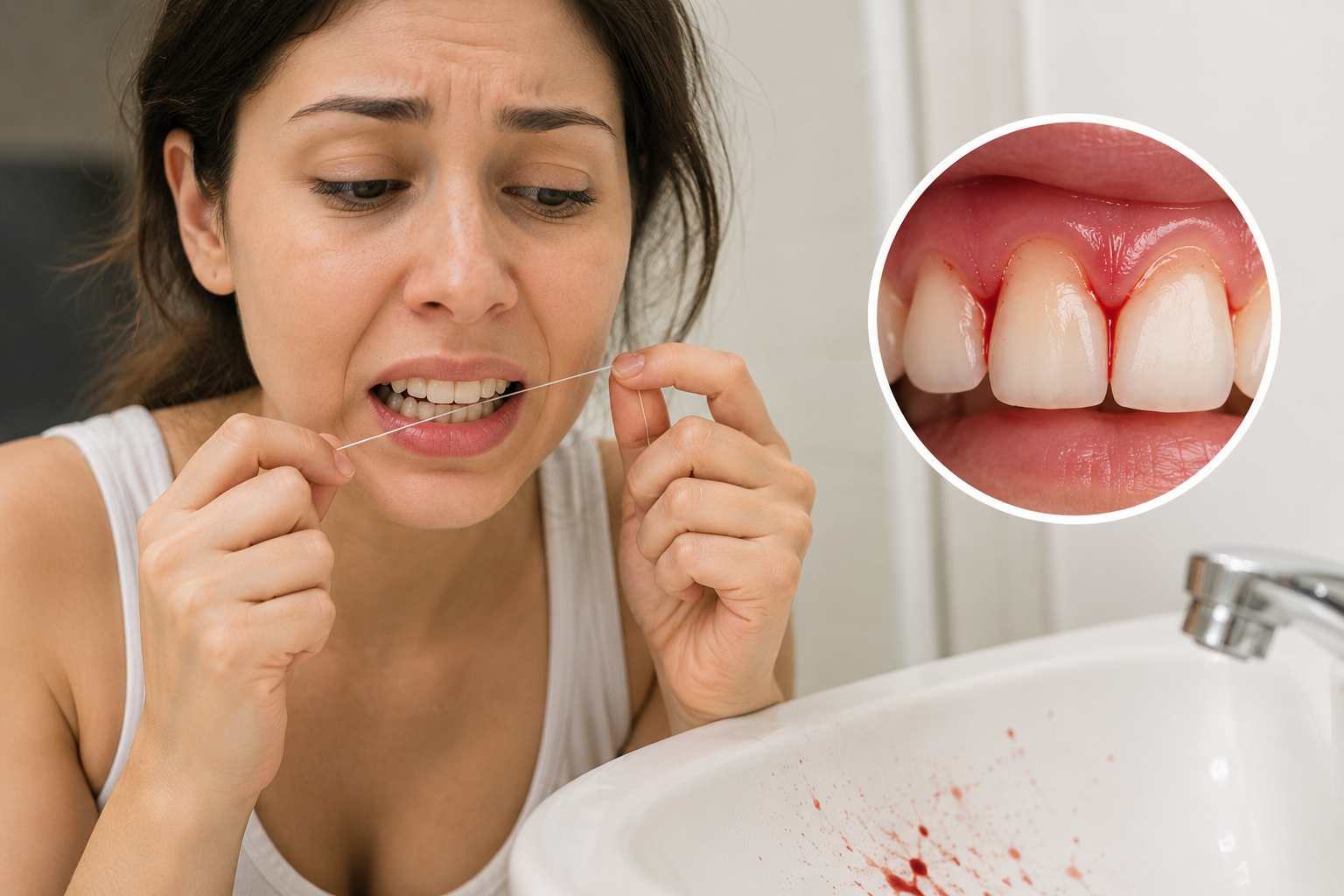
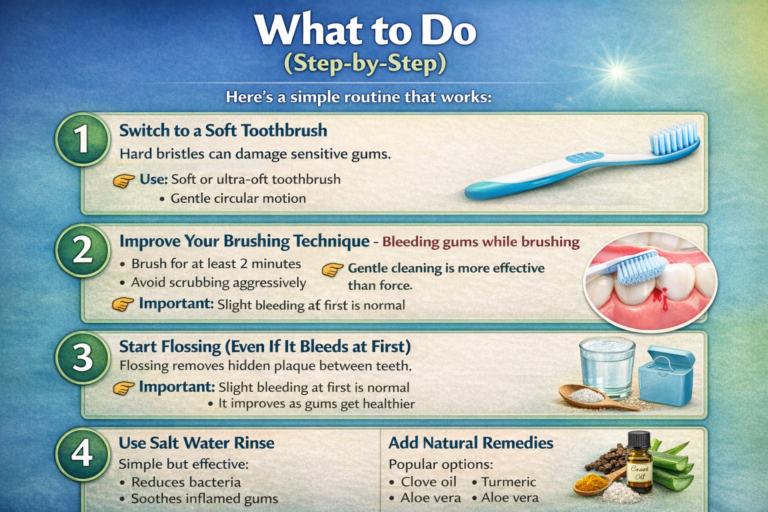
Few experiences discourage flossing faster than seeing blood in the sink. Yet bleeding does not always mean flossing caused damage. In many situations, bleeding is associated with existing gum inflammation triggered by plaque accumulation.
Research from the CDC and NIH indicates that inflamed gums tend to bleed more easily when disturbed. When a person begins flossing consistently, bleeding may gradually decrease as plaque levels are reduced and inflammation improves.
That said, persistent bleeding should be evaluated by a dental professional, particularly if it continues despite proper oral hygiene. Readers interested in this topic can learn more about why gums bleed during brushing and what it may indicate.
Ignoring the Area Just Below the Gumline
Many people clean only the visible gap between teeth. The most critical area often sits slightly below the gum margin. This location is where plaque tends to accumulate and where early gingivitis frequently develops.
Proper flossing involves gently extending the floss beneath the gumline while keeping it adapted against the tooth surface. The goal is not deep insertion. Rather, it is careful cleaning of the area where bacteria commonly collect.
When a Water Flosser May Help
Traditional floss remains useful for many situations, especially when tight contacts exist between teeth. At the same time, some individuals find it difficult to use conventional floss consistently. A water flosser may help improve compliance by directing a pressurized stream of water between teeth and along gum margins.
Although water flossers can assist with plaque disruption and debris removal, they should not automatically be viewed as a complete replacement for traditional floss in every situation. Readers interested in comparing these approaches may benefit from our detailed guide on water flossers and gum care.
Gum Care Support Option
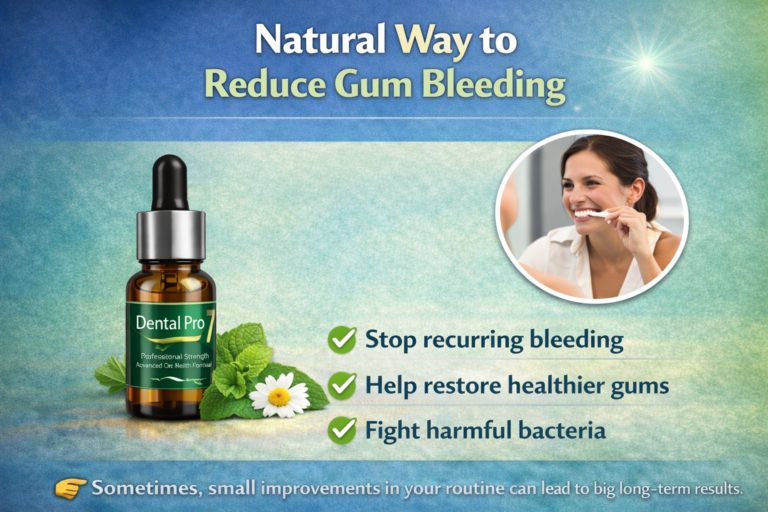
Good flossing habits form the foundation of gum care. Some individuals also explore oral care products designed to support overall gum wellness as part of a broader daily routine. Those interested in learning more can explore Dental Pro 7 and its approach to gum health support
Flossing Too Frequently or Too Forcefully
When people discover the importance of interdental cleaning, enthusiasm sometimes leads to overcorrection.
Flossing multiple times a day with excessive pressure rarely provides additional benefits and may increase gum irritation. Healthy gum tissue responds best to gentle, consistent care rather than aggressive cleaning.
Research generally supports the quality of plaque removal over the quantity of cleaning sessions. A careful once-daily flossing routine is sufficient for most individuals.
Signs You May Be Flossing Too Aggressively
- Persistent gum soreness after flossing
- Gum recession developing around specific teeth
- Visible cuts along the gumline
- Increased tooth sensitivity
- Repeated irritation in the same locations
If discomfort continues despite proper technique, professional evaluation may help identify underlying issues such as gum disease, tooth positioning, or existing tissue damage.
Not Cleaning Around Every Tooth Surface
Another overlooked mistake is treating flossing as a quick pass between teeth. Effective flossing involves cleaning both sides of each tooth.
Imagine two neighboring teeth sharing a single space. The floss should wrap around one tooth, clean its side, then move against the adjacent tooth before proceeding. This approach improves plaque removal and may reduce bacterial accumulation near the gumline.
The Difference Between Food Debris and Oral Biofilm
One of the most misunderstood aspects of flossing involves the distinction between food removal and biofilm disruption. Food debris is relatively easy to notice. A piece of meat, popcorn hull, or vegetable fiber trapped between teeth can often be felt immediately.
Biofilm is different.
Biofilm forms a sticky bacterial layer that may not be visible or detectable by touch. It continues developing even when obvious food particles are absent. Research available through NCBI and PubMed suggests that mature biofilm becomes increasingly difficult to remove and is associated with gum inflammation and periodontal disease progression. This explains why flossing remains important even after meals that leave no visible residue between teeth.
Why a Clean Feeling Does Not Always Mean Clean Teeth
Many oral hygiene decisions are based on sensation. If the mouth feels fresh, people often assume cleaning was successful. Unfortunately, oral bacteria do not always produce immediate symptoms.
Plaque can accumulate around gum margins for days or weeks before noticeable irritation appears. The same principle applies to tongue bacteria. A person may brush thoroughly, floss regularly, and still experience occasional morning breath because bacterial populations remain active on the tongue surface.
This is one reason comprehensive oral hygiene routines often include: Tooth brushing. Interdental cleaning. Tongue cleaning. Adequate hydration .Regular dental examinations
The Connection Between Gum Health and Morning Breath
Bad breath is often discussed separately from gum health, yet the two are closely connected. Bacteria living within oral biofilm produce volatile sulfur compounds that contribute to unpleasant breath odors.
When plaque accumulates around the gumline, bacterial activity increases. At the same time, tongue bacteria may continue generating odor-causing compounds throughout the night.
Research published through NIH-supported studies suggests that periodontal inflammation, tongue coating, and oral microbiome imbalance may all contribute to halitosis. This helps explain why improving gum care habits sometimes leads to fresher breath even when no mouthwash changes are made.
How Saliva Helps Protect Gum Health
Saliva rarely receives attention in flossing discussions, despite being one of the mouth’s most important defense systems.
Throughout the day, saliva helps:
- Wash away loose debris
- Buffer acids
- Deliver minerals to tooth surfaces
- Support oral microbiome balance
- Reduce bacterial overgrowth
Reduced saliva flow may contribute to increased plaque accumulation and oral discomfort.
Factors associated with dry mouth include:
- Certain medications
- Dehydration
- Aging
- Mouth breathing
- Some medical conditions
Even excellent flossing habits cannot fully compensate for inadequate saliva production.
Supporting normal saliva flow through hydration and professional guidance may contribute to overall oral health.
How Oral Microbiome Balance Influences Gum Health
The mouth contains hundreds of bacterial species. Not all bacteria are harmful. The oral microbiome functions as an ecosystem where beneficial and potentially harmful organisms coexist.
Problems arise when bacterial balance shifts toward species associated with inflammation and disease. Current research increasingly suggests that oral health involves microbiome management rather than complete bacterial elimination.
Flossing, brushing, saliva production, diet, and professional dental care all influence this balance. A healthy oral microbiome may support:
- Healthier gums
- Reduced plaque accumulation
- Improved breath quality
- Better overall oral comfort
Building a Complete Gum Care Routine
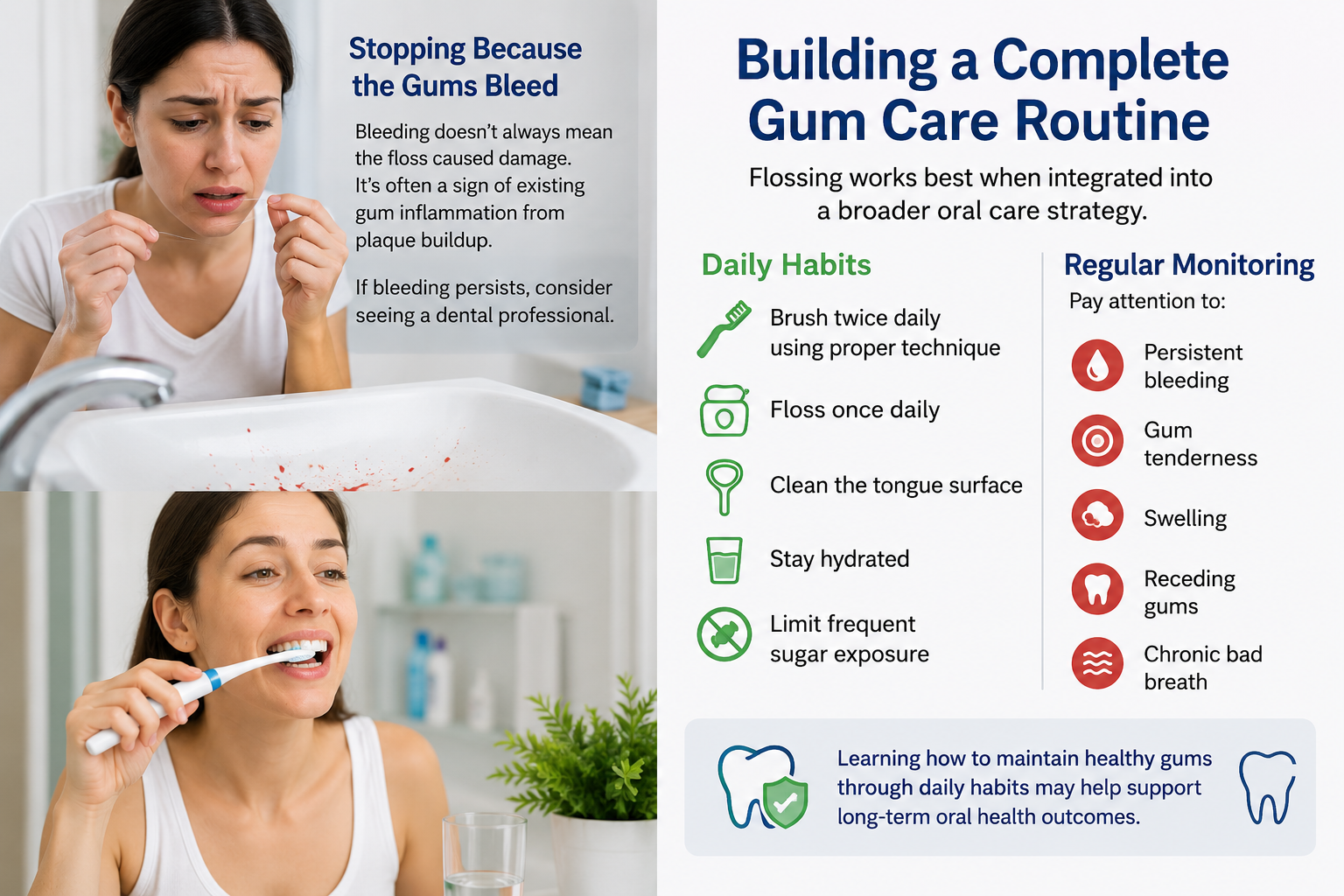
Flossing works best when integrated into a broader oral care strategy.
A practical gum care routine often includes:
Daily Habits
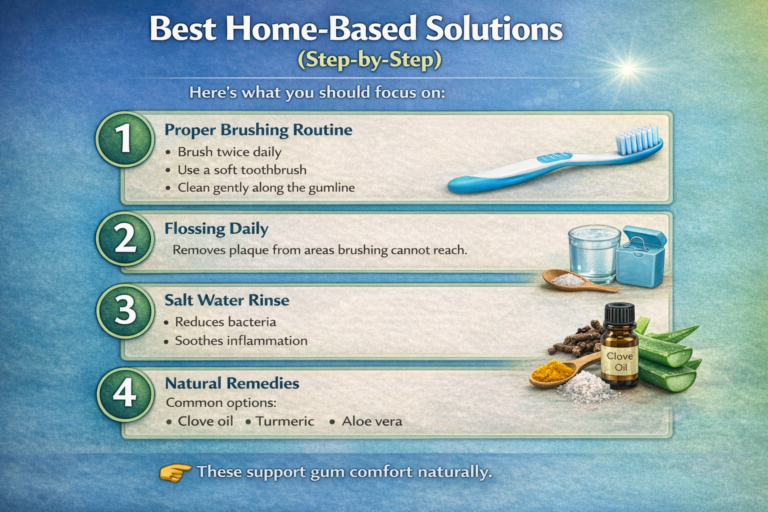
- Brush twice daily using proper technique
- Floss once daily
- Clean the tongue surface
- Stay hydrated
- Limit frequent sugar exposure
Regular Monitoring
Pay attention to: Persistent bleeding. Gum tenderness. Swelling. Receding gums. Chronic bad breath
Learning how to maintain healthy gums through daily habits may help support long-term oral health outcomes.
Educational Product Option
For individuals interested in expanding their gum care routine, some choose to explore oral care formulations designed to support gum wellness alongside regular brushing and flossing.
More information about Dental Pro 7 ingredients and gum health support can be found here. Those who want to learn more about the formulation itself may find this resource helpful:
Common Questions About Flossing and Gum Irritation
Can flossing cause gum damage?
Improper flossing techniques may irritate gum tissue. Gentle flossing performed correctly is generally considered safe and may support gum health.
Should I stop flossing if my gums bleed?
Occasional bleeding may be associated with existing gum inflammation. Persistent bleeding should be evaluated by a dental professional.
Is a water flosser better than traditional floss?
Both methods have advantages. Water flossers may improve ease of use, while traditional floss may provide more direct contact with tooth surfaces in certain areas.
Why do my gums hurt after flossing?
Possible reasons include excessive force, improper technique, pre-existing inflammation, or infrequent flossing habits.
Does flossing help with bad breath?
Flossing may reduce odor-causing bacteria and food debris between teeth, which can contribute to fresher breath.
How long does it take for gums to adjust to flossing?
Some individuals notice temporary sensitivity during the first few weeks of consistent flossing, especially if plaque accumulation and inflammation were previously present.
Final Thoughts

Flossing is one of the simplest oral hygiene practices, yet technique makes a significant difference.
Many cases of gum irritation stem not from floss itself but from habits such as snapping floss into the gums, using excessive force, skipping critical areas, or misunderstanding the purpose of interdental cleaning.
Understanding the difference between food debris removal and oral biofilm disruption offers a more complete picture of why flossing matters. Combined with proper brushing, tongue cleaning, healthy saliva flow, and regular dental care, flossing may help support healthier gums and a more balanced oral environment.
FAQ
What is the most common flossing mistake?
Snapping floss directly into the gums is among the most common mistakes and may contribute to irritation and bleeding.
Why do my gums bleed when I start flossing?
Bleeding is often associated with existing gum inflammation caused by plaque accumulation. Consistent, gentle flossing may help reduce inflammation over time.
Can flossing too hard cause gum recession?
Aggressive flossing may contribute to gum tissue trauma and potentially worsen recession in susceptible individuals.
Should I floss before or after brushing?
Research has shown benefits for both approaches. The most important factor is flossing consistently and correctly.
Are water flossers effective for gum care?
Water flossers may help remove debris and disrupt biofilm, particularly for individuals who struggle with traditional floss.
How often should I floss?
For most people, once daily is generally sufficient as part of a comprehensive oral hygiene routine.
References
- American Dental Association (ADA). Flossing and Interdental Cleaning Guidance.
- National Institutes of Health (NIH). Oral Biofilm and Periodontal Health Research.
- National Center for Biotechnology Information (NCBI). Oral Microbiome Studies.
- PubMed. Interdental Cleaning and Gingivitis Research.
- Centers for Disease Control and Prevention (CDC). Adult Oral Health Resources.
- Mayo Clinic. Gum Disease and Oral Hygiene Information.
- Cleveland Clinic. Gingivitis and Periodontal Disease Education.
- Journal of Clinical Periodontology. Biofilm and Periodontal Health Literature.
About the Author
Dental Pro 7 Ingredients Editorial Team
The Dental Pro 7 Ingredients Editorial Team creates evidence-based educational content focused on oral health, gum care, dental hygiene, and oral wellness. Articles are developed through research from peer-reviewed publications, public health organizations, and established clinical resources to help readers make informed oral health decisions.
Disclaimer
This article is intended for educational and informational purposes only. It is not a substitute for professional dental advice, diagnosis, or treatment. Always seek the guidance of a qualified dentist or healthcare professional regarding questions about your oral health or any medical condition.