
Bleeding Gums Treatment Guide
Bleeding Gums Treatment Guide: Causes, Symptoms, Prevention, and When to Seek Care
Bleeding Gums Treatment Guide: Last Updated: July 13, 2026. ⏱️ Min Read: 14 min read
Introduction
Seeing blood in the sink after brushing can feel unsettling. For some, it happens occasionally after flossing. For others, bleeding becomes frequent enough that they start brushing more gently or avoiding certain areas altogether.
Bleeding gums are not always a dental emergency, but they are rarely something to ignore. In everyday dental care, gum bleeding is often one of the earliest visible signs that the tissues around the teeth are irritated or inflamed.
This guide explains what bleeding gums may indicate, common causes behind them, practical prevention strategies, and treatment approaches dentists may recommend depending on severity.
The goal is not to create fear. It is to help readers understand what their gums may be trying to communicate before the condition progresses further.
What Are Bleeding Gums?
Healthy gums generally appear firm and pink and should not bleed during routine brushing or flossing.
Bleeding usually occurs when gum tissue becomes irritated, swollen, or inflamed. This inflammation may begin along the gumline where plaque accumulates. In earlier stages, symptoms can remain subtle for weeks or months before discomfort becomes noticeable.
In real-world situations, people often assume bleeding is caused by brushing too hard. While aggressive brushing can contribute, persistent bleeding more commonly reflects inflammation rather than “sensitive gums.”
Occasional bleeding after resuming flossing may improve within several days. Ongoing bleeding that continues despite consistent hygiene deserves closer attention.
Ongoing bleeding that continues despite consistent hygiene deserves closer attention.
Understanding Gum Health, the Oral Microbiome, and Preventive Care
Bleeding gums are often discussed as a standalone symptom, but they are usually connected to broader aspects of oral health. Factors such as plaque accumulation, oral bacteria balance, saliva production, brushing habits, nutrition, and preventive dental care can all influence the condition of gum tissue. Readers who would like a broader introduction to these topics can visit our Oral Health Resource Center, which provides educational information about gum health, oral microbiome balance, oral probiotics, preventive care strategies, and everyday oral hygiene practices.
Current research shows that healthier gums depend partly on bacterial balance. Learn more in our Oral Microbiome and Dental Health educational guide.
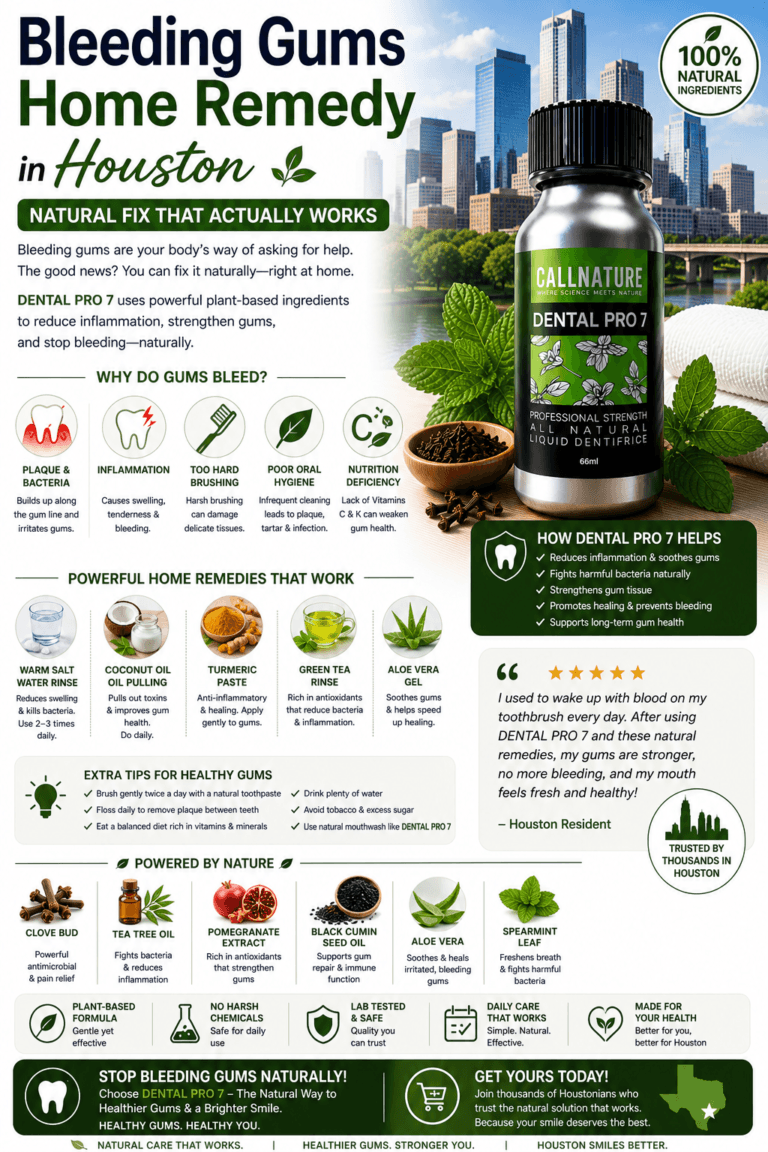
🦷 Learn More About Dental Pro 7
If you’re considering Dental Pro 7 as part of your daily oral care routine, take time to review the official product information, recommended usage, and current purchasing options before making a decision.
👉 Check the Official Dental Pro 7 Website
Common Causes of Bleeding Gums
Plaque and Gingivitis
One of the most common causes is gingivitis, an early stage of gum inflammation triggered by plaque buildup around the teeth.
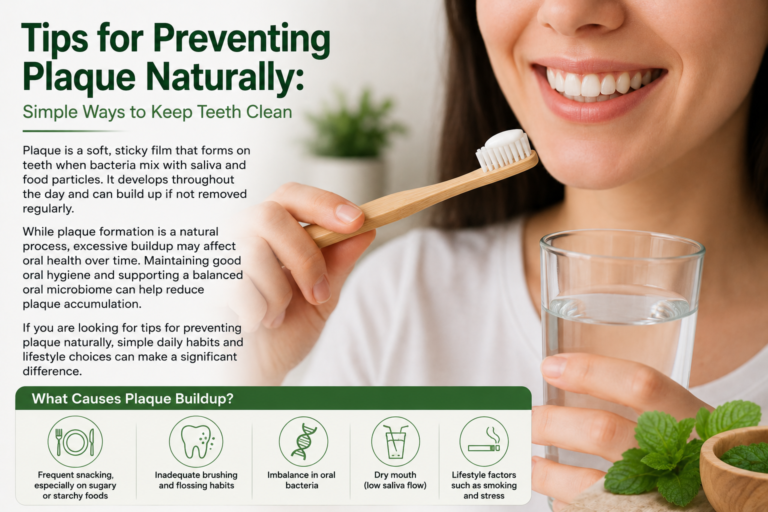
Plaque is a sticky bacterial film that continuously forms inside the mouth. When not removed effectively, it can irritate gum tissue and cause:
- Redness
- Swelling
- Tenderness
- Bleeding during brushing or flossing
At this stage, bone damage has typically not occurred yet, which is why early intervention matters.
Many people first notice bleeding gums while brushing their teeth. In some cases, this may be related to plaque accumulation near the gumline, brushing habits, or early gum inflammation. Understanding the underlying causes can help explain why bleeding appears during everyday oral care routines. For a deeper explanation, see our guide on why gums bleed during brushing and what it may indicate.
Poor Flossing Habits or Sudden Flossing Changes
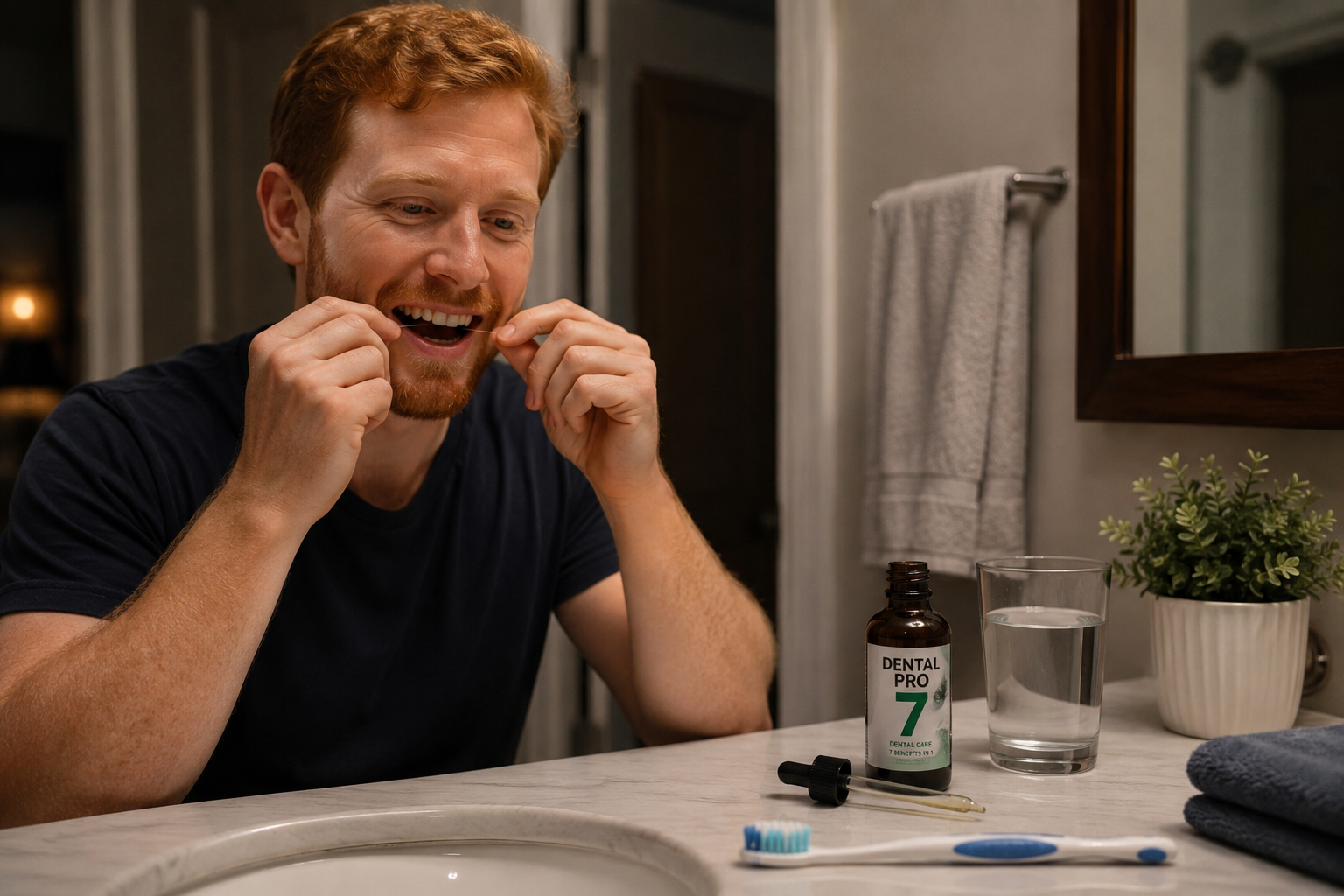
A common situation occurs when someone begins flossing consistently after a long gap. The gums may bleed temporarily because inflamed tissue reacts easily to disturbance.
This short-term bleeding often improves as the gums become healthier.
Brushing Too Aggressively
Using a hard-bristled toothbrush or brushing with excessive pressure can irritate gum tissue mechanically.
Dentists frequently recommend soft-bristled toothbrushes because they clean effectively while being gentler on enamel and gum tissue.
Tartar Accumulation
When plaque hardens into tartar (calculus), it cannot be removed with normal brushing alone.
Tartar creates rough surfaces where bacteria collect more easily near the gumline. Professional dental cleaning is usually necessary to remove these hardened deposits safely.
Hormonal Changes
Hormonal fluctuations during pregnancy, puberty, or menopause may increase gum sensitivity and inflammation in certain individuals.
Pregnancy-related gingivitis, for example, is well documented in dental literature.
Smoking and Tobacco Use
Smoking affects circulation and immune response within gum tissue. In practice, tobacco users may not always notice severe bleeding initially because nicotine can reduce visible blood flow to the gums.
Unfortunately, this can mask underlying gum disease progression.
Medical Conditions and Medications
Certain health conditions and medications may contribute to gum bleeding, including:
- Diabetes
- Blood clotting disorders
- Vitamin deficiencies
- Blood-thinning medications
- Immune-related conditions
Persistent or unexplained bleeding should be evaluated medically, especially when accompanied by bruising or bleeding elsewhere in the body.
Symptoms That May Accompany Bleeding Gums
Bleeding is not always the only symptom. Additional signs may include:
- Persistent bad breath
- Puffy or swollen gums
- Gum tenderness
- Receding gums
- Loose teeth
- Pain while chewing
- Changes in bite alignment
In advanced gum disease, bone and connective tissue supporting the teeth may gradually become damaged.
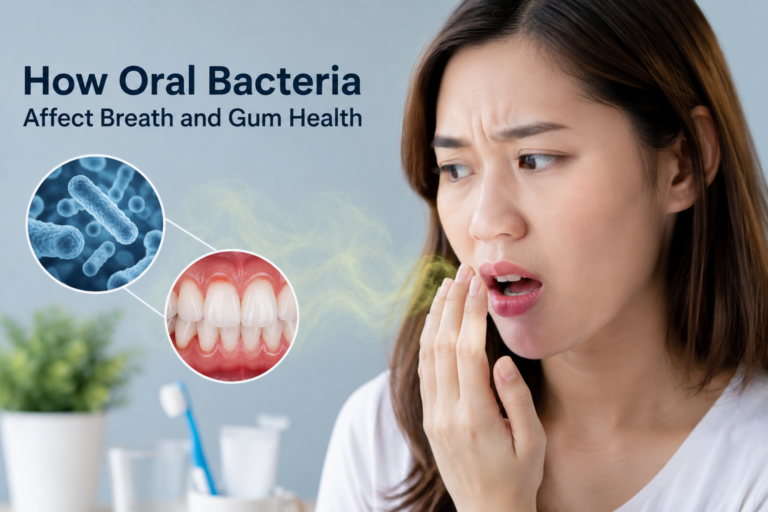
Persistent bad breath often develops alongside gum inflammation. Learn how Dental Pro 7 for bad breath supports fresher breath while promoting a healthier oral microbiome.
When Bleeding Gums May Signal Gum Disease
Gingivitis can progress into periodontitis if inflammation extends deeper below the gumline.
Periodontitis involves destruction of the tissues and bone supporting the teeth. Unlike early gingivitis, advanced periodontal disease may not be fully reversible.
One important observation is that gum disease does not always cause severe pain in early stages. People sometimes delay care because the mouth “doesn’t hurt much yet.”
Dentists often discover deeper periodontal pockets during routine cleanings long before patients realize significant progression has occurred. Early signs of gum irritation
Readers seeking a complete overview should also explore our Gum Disease Causes, Symptoms, Treatment and Prevention Guide covering every stage from early gingivitis to periodontitis.
Bleeding Gums Treatment Options
Treatment depends on the underlying cause and severity.
Professional Dental Cleaning
For plaque and tartar-related inflammation, professional cleanings are often the first step.
Scaling removes hardened deposits above and below the gumline that regular brushing cannot reach.
Removing plaque and tartar reduces bacterial accumulation, creating a healthier environment that supports gum healing alongside consistent daily oral hygiene.
Improved Daily Oral Hygiene
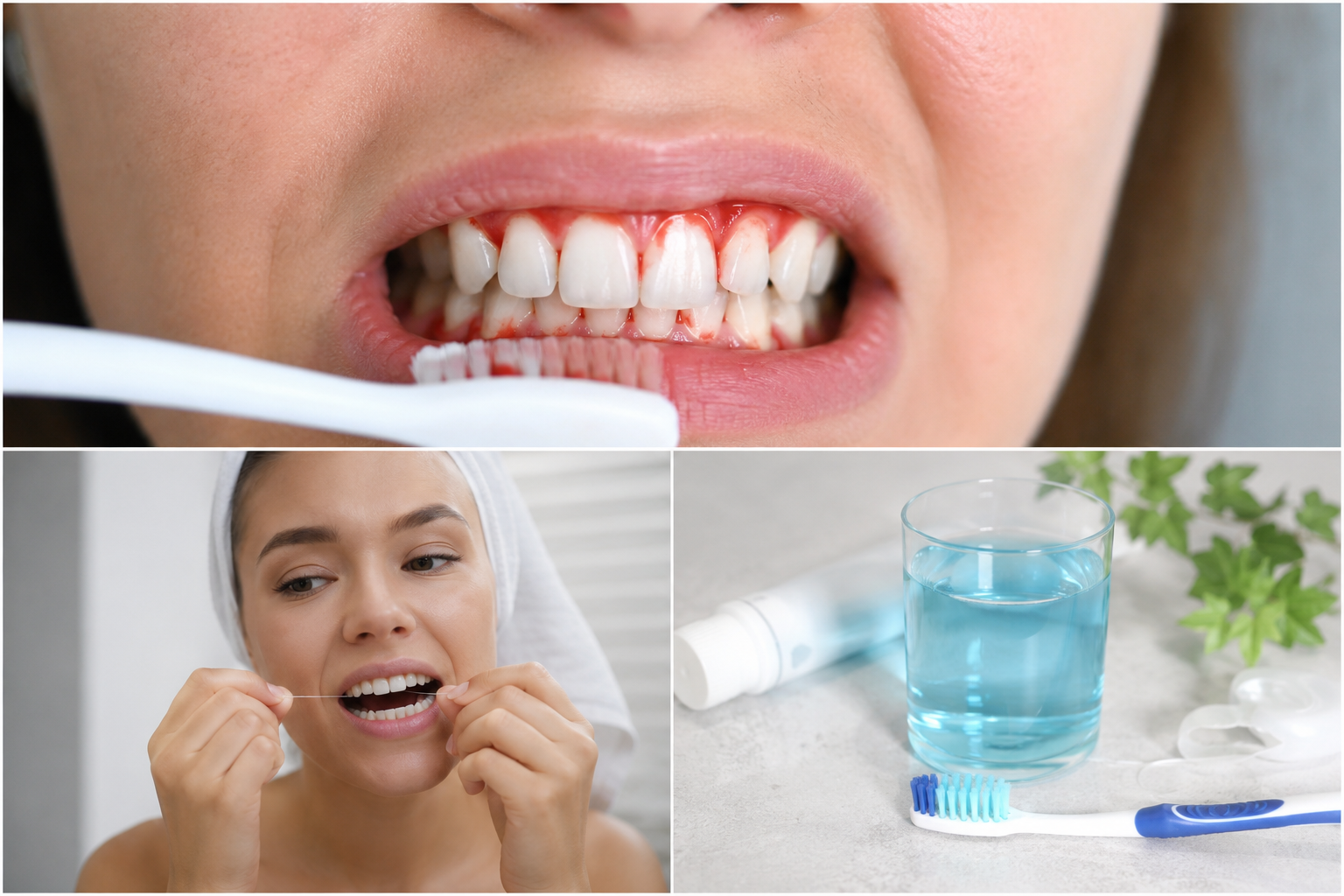
Consistent brushing and flossing remain foundational for gum health.
Gentle but thorough plaque removal matters more than brushing force.
Helpful habits may include:
- Brushing twice daily with a soft-bristled toothbrush
- Flossing carefully once per day
- Cleaning along the gumline consistently
- Replacing worn toothbrushes regularly
Antibacterial Mouth Rinses
Dentists may recommend antimicrobial rinses in specific situations involving gum inflammation.
These products are usually considered supportive tools rather than standalone solutions.
Periodontal Treatment
Moderate or advanced gum disease may require deeper periodontal therapy such as:
- Scaling and root planing
- Local antibiotic therapy
- Ongoing periodontal maintenance
Severe cases sometimes involve surgical procedures performed by periodontal specialists.
Addressing Underlying Medical Factors
If systemic conditions contribute to bleeding gums, medical and dental care may need to work together.
For example, blood sugar management can influence gum inflammation in patients with diabetes.
Home Care and Prevention Strategies
Preventive care is usually less complicated and less expensive than treating advanced gum disease later.
Small daily habits matter more than occasional intensive cleaning efforts.
Brush Gently but Thoroughly
People sometimes scrub harder when they notice bleeding. In reality, aggressive brushing can worsen irritation.
Soft, controlled brushing along the gumline is generally more effective.
Maintain Consistent Flossing
Stopping flossing because gums bleed may allow inflammation to worsen further.
When flossing technique improves and inflammation decreases, bleeding often becomes less frequent.
Stay Hydrated
Dry mouth can contribute to bacterial imbalance and plaque accumulation.
Adequate hydration helps support saliva production, which plays an important role in oral health.
Reduce Tobacco Exposure
Smoking cessation benefits both oral health and overall systemic health.
Improved circulation can support gum healing and immune response.
Schedule Routine Dental Visits
Routine exams help identify problems before major symptoms develop.
Professional cleanings can remove tartar buildup from areas difficult to clean at home.
Natural Supportive Approaches, Oral Probiotics, and Botanical Ingredients
Certain supportive habits may help improve overall oral hygiene comfort when combined with regular dental care.
Many preventive routines also include beneficial bacteria. Discover how they work in our What Are Oral Probiotics? comprehensive guide.
Examples include:
- Saltwater rinses
- Improved nutritional intake
- Better plaque control habits
- Hydration support
However, persistent bleeding should not be self-diagnosed indefinitely. Home remedies should not replace evaluation when symptoms continue or worsen.
Many botanical oral care products rely on plant extracts. Discover the best essential oils for gum health and their traditional role in supporting healthy gums.
Choosing Oral Care Products for Healthier Gums
A consistent oral hygiene routine often matters more than expensive products.
Understanding how probiotics, vitamins, and botanical compounds work together becomes easier after reading our Dental Pro 7 Ingredients Explained guide.
Understanding product safety is equally important. Read the Dental Pro 7 safety guide for information about ingredients, proper use, and possible side effects.
That said, certain tools may help support healthier brushing and plaque management habits:
- Soft-bristled toothbrushes
- Water flossers
- Interdental brushes
- Alcohol-free mouth rinses
- Tongue cleaners
🦷 Thinking About Trying Dental Pro 7?
Understanding the ingredients, proper usage, and safety information can help you make a more informed decision before adding any new oral care product to your routine.
👉 View the Official Dental Pro 7 Information
Readers looking for everyday oral care tools can explore options through: Amazon Oral Care Products
These recommendations are intended to support oral hygiene routines rather than replace professional dental care.
Before choosing a botanical oral care product, explore this complete Dental Pro 7 review covering ingredients, benefits, formulation, and available scientific evidence.
For a broader scientific perspective, read our Dental Pro 7 Comprehensive Review discussing formulation, supporting evidence, ingredient research, and practical consumer considerations.
When to See a Dentist
Dental evaluation becomes especially important when bleeding gums are:
- Persistent
- Painful
- Accompanied by swelling or pus
- Associated with loose teeth
- Occurring despite improved oral hygiene
Early assessment may help prevent progression into more advanced periodontal problems.
Research and External References
Readers interested in additional evidence-based oral health information may review resources from:
- American Dental Association (ADA) Oral Health Topics
- National Institute of Dental and Craniofacial Research (NIDCR)
- Mayo Clinic Oral Health Resources
- Centers for Disease Control and Prevention (CDC) Oral Health
Frequently Asked Questions – Bleeding gums treatment guide
Why do my gums bleed when I floss?
Bleeding during flossing often occurs when gum tissue is inflamed due to plaque accumulation. Consistent gentle flossing may help reduce inflammation over time.
Are bleeding gums always a sign of gum disease?
Not always. Temporary irritation, aggressive brushing, or hormonal changes can contribute. Persistent bleeding should still be evaluated professionally.
Can stress affect gum health?
Stress may indirectly affect oral health through immune response changes, dry mouth, teeth grinding, or inconsistent hygiene habits.
Should I stop brushing if my gums bleed?
No. Continue brushing gently with a soft-bristled toothbrush while maintaining daily plaque removal. Persistent bleeding should still be evaluated by a dental professional.
When should I see a dentist for bleeding gums?
If bleeding continues regularly, worsens, or occurs alongside swelling, bad breath, or loose teeth, professional evaluation is recommended.
About the Author – About the Dental Pro 7 Editorial Team
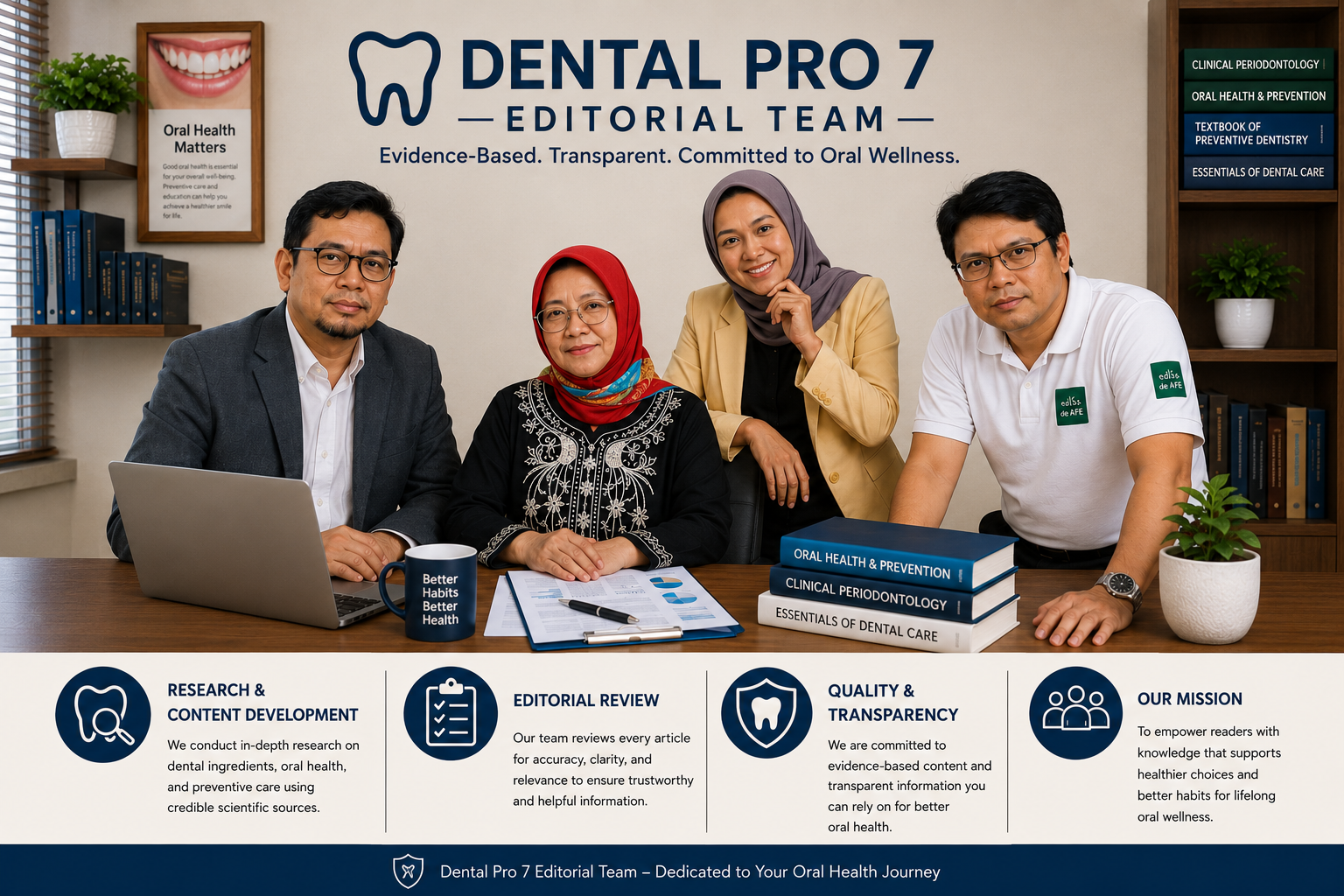
The Dental Pro 7 Editorial Team develops educational oral health content focused on preventive care, gum health, hygiene routines, and evidence-based dental information.
Content is researched using publicly available dental resources, clinical references, and oral health publications from recognized institutions. Articles are written to help readers better understand common dental concerns in a practical and accessible way.
Learn more at:
Disclaimer – Bleeding gums treatment guide
This article is intended for informational and educational purposes only and does not constitute medical or dental advice.
Readers experiencing persistent bleeding gums, pain, swelling, loose teeth, or worsening symptoms should seek evaluation from a licensed dentist or healthcare professional. Individual oral health conditions vary, and treatment recommendations should always be personalized by qualified providers.