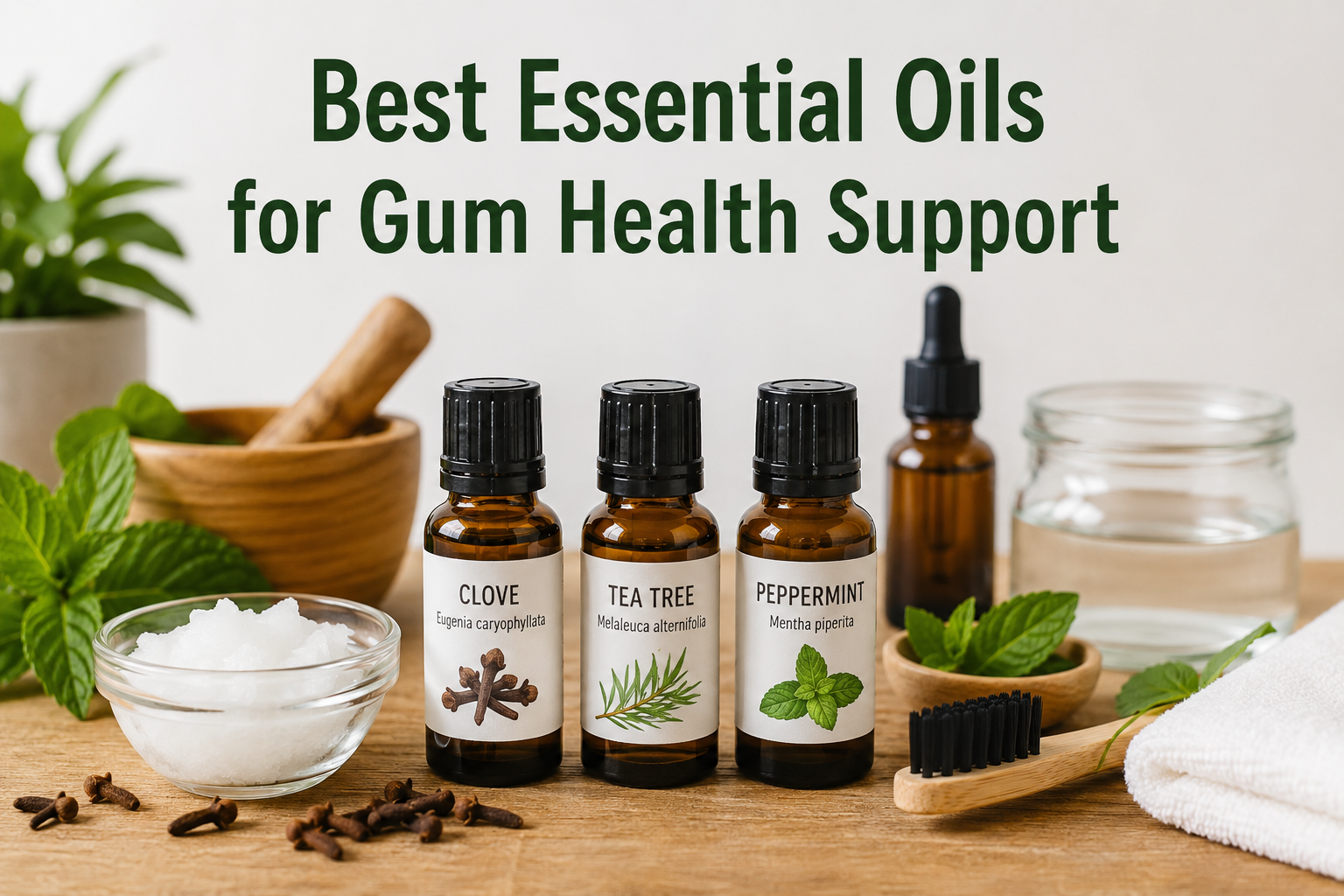
Best Essential Oils for Gum Health Support
Best Essential Oils for Gum Health Support
Best Essential Oils for Gum Health Support: Last Updated: August 20, 2026 · Reading Time: 13 min read
Healthy gums rarely come from one product alone. Gum care usually depends on consistent daily habits. These include gentle brushing, cleaning between teeth, reducing plaque buildup, staying hydrated, and addressing early irritation.
Essential oils can complement these habits when used carefully. They may support freshness, oral hygiene, and overall comfort as part of a balanced routine.
Different oils can have different properties in oral care. Some provide a soothing or refreshing sensation. Others have been studied for their interaction with oral bacteria. The concentration and method of use also matter.
Understanding these differences can help you choose an appropriate approach to natural gum care.
Why Gum Health Matters More Than Most People Realize
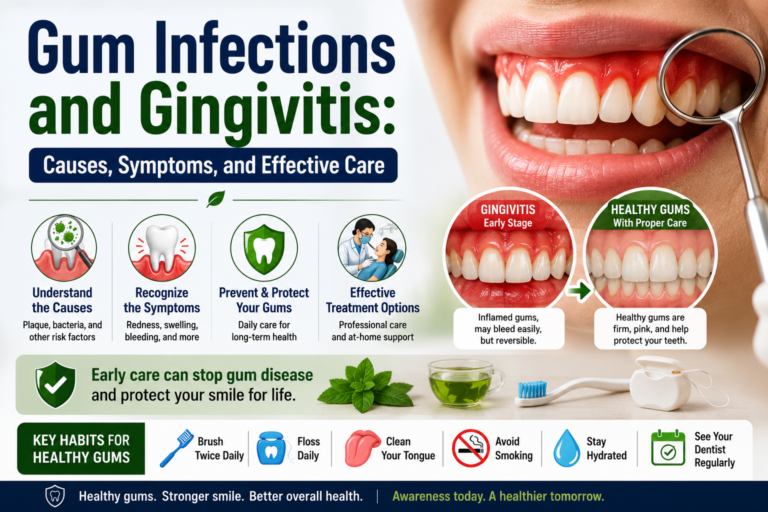
Gums support nearly every part of everyday oral health. They surround the teeth and interact with plaque, saliva, bacteria, and daily hygiene habits.
When gums become irritated, brushing may feel uncomfortable. Cold drinks can also feel more noticeable. Changes in gum condition may also affect breath freshness.
Gum health often depends on several factors working together. Daily hygiene, diet, hydration, lifestyle, and professional dental care all contribute to a healthy oral environment.
Essential oils have become part of natural oral care discussions because some plant compounds have been studied for antimicrobial or soothing properties. These findings provide useful background for understanding their potential role in everyday oral hygiene.
Persistent bleeding deserves professional attention. Our Bleeding Gums Treatment Guide explains common causes, practical home care, and situations that may require dental evaluation.
Preventive Oral Health, the Oral Microbiome, and Daily Gum Care
Essential oils represent one part of a broader oral wellness strategy. Readers interested in preventive dental care, oral microbiome education, and everyday gum care can explore our Oral Health Resource Center.
How Essential Oils Are Used in Oral Care
Essential oils are concentrated plant extracts. Oral care products may include them in several forms, such as:
- Mouth rinses
- Oil pulling blends
- Herbal toothpaste
- Gum massage oils
- Breath-freshening products
Concentration is an important consideration. A diluted peppermint formulation may provide a comfortable experience, while concentrated clove oil can feel much stronger.
For everyday use, carefully formulated products can provide a practical way to incorporate botanical ingredients into an oral hygiene routine.
The method also matters. A product designed for oral use may have a different concentration from an essential oil intended for aromatherapy.
Always follow the instructions provided with a specific oral care product.
🦷 Support Your Daily Gum Care Routine
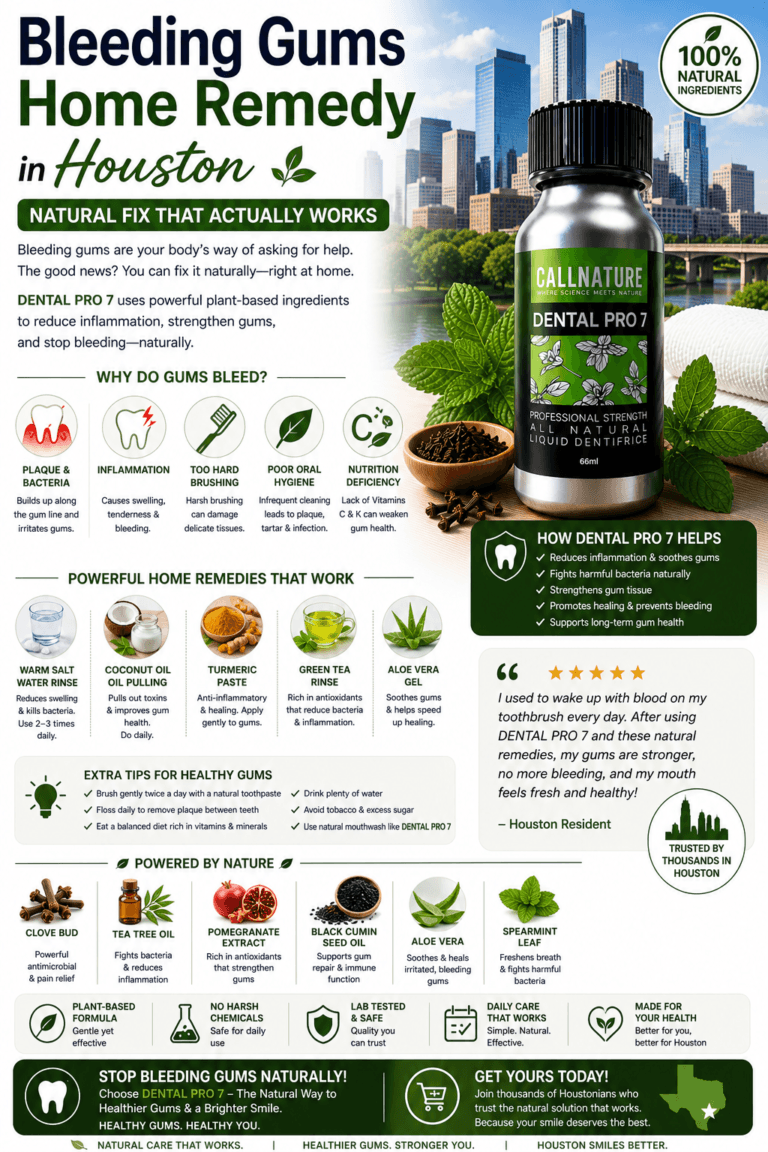
Looking for a botanical approach to complement your daily oral hygiene routine? Dental Pro 7 combines carefully selected ingredients designed to support everyday gum care and oral wellness.
👉 Learn More About Dental Pro 7
Clove Oil and Gum Comfort
Clove oil has one of the longest histories in traditional oral care. Its active compound, eugenol, has been studied for antimicrobial and soothing properties.
Dentists have historically used eugenol-containing materials in temporary dental applications. This history helps explain the continued interest in clove oil within oral care discussions.
In everyday home care, diluted clove oil is commonly associated with:
- A warming sensation
- Aromatic freshness
- Supportive oral hygiene routines
- Temporary soothing sensations
Clove oil can feel strong even in small amounts. Careful dilution and moderation can provide a more comfortable experience.
Readers comparing botanical options can also explore our guide to the best essential oils for gums for additional ingredient comparisons and practical tips.
Tea Tree Oil in Oral Hygiene Discussions
Tea tree oil frequently appears in discussions about oral bacteria and gum hygiene because of its antimicrobial properties.
Research has explored tea tree oil in mouth rinses and oral care formulations. These studies have focused on areas such as plaque-related bacteria and oral hygiene.
Formulation remains important when using concentrated botanical ingredients. Mild, properly prepared formulations may provide a more practical experience for everyday oral care.
Readers should follow product directions and choose products specifically formulated for oral use.
Peppermint Oil and Fresh Breath Support
Peppermint oil is widely associated with fresh breath and a clean mouthfeel.
It creates a cooling sensation that can make oral hygiene feel fresher and more comfortable. This sensory effect helps explain why peppermint appears in many toothpaste and mouthwash formulas.
A pleasant mouthfeel can also make daily oral care easier to maintain. Consistent brushing and cleaning remain central to good oral hygiene.
Readers interested in microbiome-based approaches can explore this Dental Pro 7 bad breath review, which discusses how oral probiotics may support fresher breath.
Essential Oils, Oil Pulling, and Oil-Based Gum Care
Essential oils and carrier oils can play different roles in natural oral care routines. Understanding oil pulling and gum health benefits can help explain why coconut and other carrier oils are commonly used, while learning about oil-based gum treatment provides additional context about botanical oil formulations for everyday gum care.
Oil pulling involves swishing a carrier oil through the mouth for several minutes before spitting it out. Coconut oil is commonly used because of its texture and mild taste.
Our guide to oil pulling and gum health benefits explains this traditional oral care practice in greater detail.
Some people also explore oil-based approaches for gum care. Our guide to oil-based gum treatment provides additional information about how oil-based oral care fits into a broader gum health routine.
Essential oils are highly concentrated. Adding large amounts to an oil-pulling mixture can create a strong taste or uncomfortable sensation. Carefully formulated products can offer a more controlled approach.
Some readers also explore oral care formulations available through CallNature – Dental Pro 7.
Manuka Oil and Its Role in Oral Care
Among the botanical oils discussed in oral wellness, Manuka oil receives considerable attention because of its naturally occurring compounds and traditional association with oral hygiene.
Researchers have explored Manuka-derived ingredients for their interaction with certain bacteria found in the mouth. This research has contributed to continued interest in Manuka oil within botanical oral care.
Individuals interested in plant-based oral care can consider how Manuka oil fits alongside brushing, flossing, hydration, and regular dental checkups.
Manuka oil is also included in some botanical oral care formulations designed to support a cleaner oral environment.
Why Myrrh Oil Continues to Be Used in Oral Wellness Products
Myrrh has a long history of use in traditional oral care practices.
Today, Myrrh Oil remains a common ingredient in botanical oral health products. It is often associated with gum comfort and oral freshness.
Modern consumers are increasingly interested in plant-derived ingredients that complement established oral hygiene habits. This interest has contributed to renewed attention to Myrrh-based oral care products.
Readers who want to learn more about this ingredient can explore our guide to Myrrh Oil and its traditional role in oral wellness.
Myrrh is also commonly discussed in oil-based gum support formulas that combine multiple botanical ingredients.
White Thyme and Oral Bacterial Balance
White Thyme is a popular botanical ingredient in natural oral care products. Its aromatic compounds have attracted research interest for their interaction with microorganisms in the oral environment. White Thyme is often combined with peppermint, myrrh, and other plant-derived ingredients to create a balanced botanical oral care formula.
Research continues to explore these botanical compounds. White Thyme remains one of several essential oils associated with natural oral hygiene routines.
Essential Oils and Gum Recession
Gum recession can change the appearance and sensitivity of the gumline. It can have several possible contributing factors, including aggressive brushing, plaque buildup, periodontal concerns, and other oral health conditions.
Essential oils may complement a gentle oral hygiene routine. However, gum recession deserves careful attention because the underlying cause can influence the appropriate care approach.
Readers interested in Dental Pro 7 and gum recession can explore our guide on Dental Pro 7 and receding gums.
The guide provides additional information about gum care, oral hygiene, and the role of supportive oral health products.
A gentle toothbrush, appropriate brushing technique, regular interdental cleaning, and professional dental examinations can all support healthier gum care.
Essential Oils, Oral Probiotics, and the Oral Microbiome
One reason essential oils continue to attract attention is the growing understanding of the oral microbiome.
The mouth contains a diverse microbial community. Some microorganisms contribute to a balanced environment, while others can contribute to oral concerns when conditions favor their growth.
To better understand bacterial balance inside the mouth, read our Oral Microbiome and Dental Health guide.
Essential oils and oral probiotics approach oral health from different perspectives. Learn how beneficial bacteria work in our What Are Oral Probiotics? educational guide.
Readers interested in botanical compounds, probiotics, and supporting nutrients can explore Dental Pro 7 Ingredients Explained for a detailed ingredient analysis.
A broader explanation of the formulation is available in Dental Pro 7 Formula Gum Health Support.
This perspective shows how different oral care ingredients can fit into a broader strategy. Essential oils, oral probiotics, and consistent hygiene practices each have different roles.
For a broader evaluation of the formula, ingredients, and supporting research, read this comprehensive Dental Pro 7 review.
Dental Pro Seven and Natural Gum Health Support
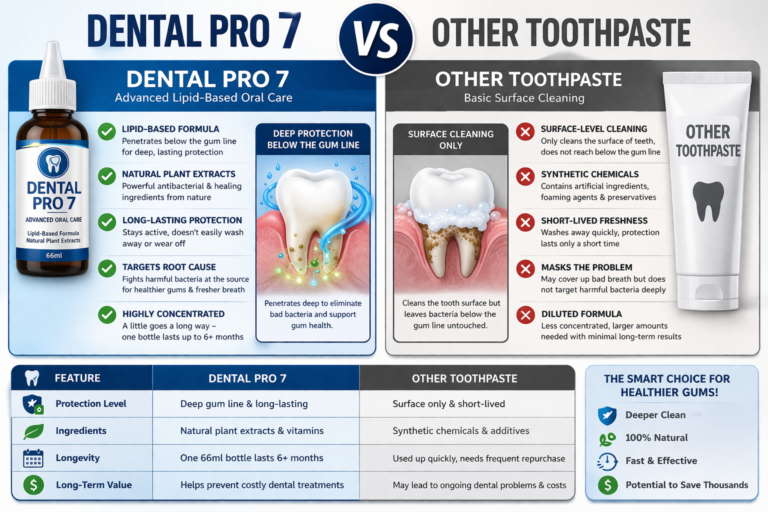
Dental Pro Seven combines botanical ingredients within an oil-based oral care approach.
Readers interested in its formulation can explore the Dental Pro Seven natural gum health solution for information about its ingredients, intended use, and approach to everyday gum care.
Understanding the formulation can help consumers compare botanical oral care products more effectively.
Dental Pro Seven can complement regular brushing, flossing, hydration, and professional dental care.
When choosing any oral care product, consider the ingredients, recommended use, product formulation, and your personal oral health needs.
What Essential Oils Can Contribute to Daily Oral Care
Essential oils can contribute freshness, aroma, and botanical properties to oral care routines.
Their role is best understood alongside established oral hygiene habits. Brushing removes plaque from tooth surfaces. Cleaning between teeth helps remove debris from areas a toothbrush cannot reach. Hydration supports saliva flow.
Botanical products can complement these habits by adding another element to a daily routine.
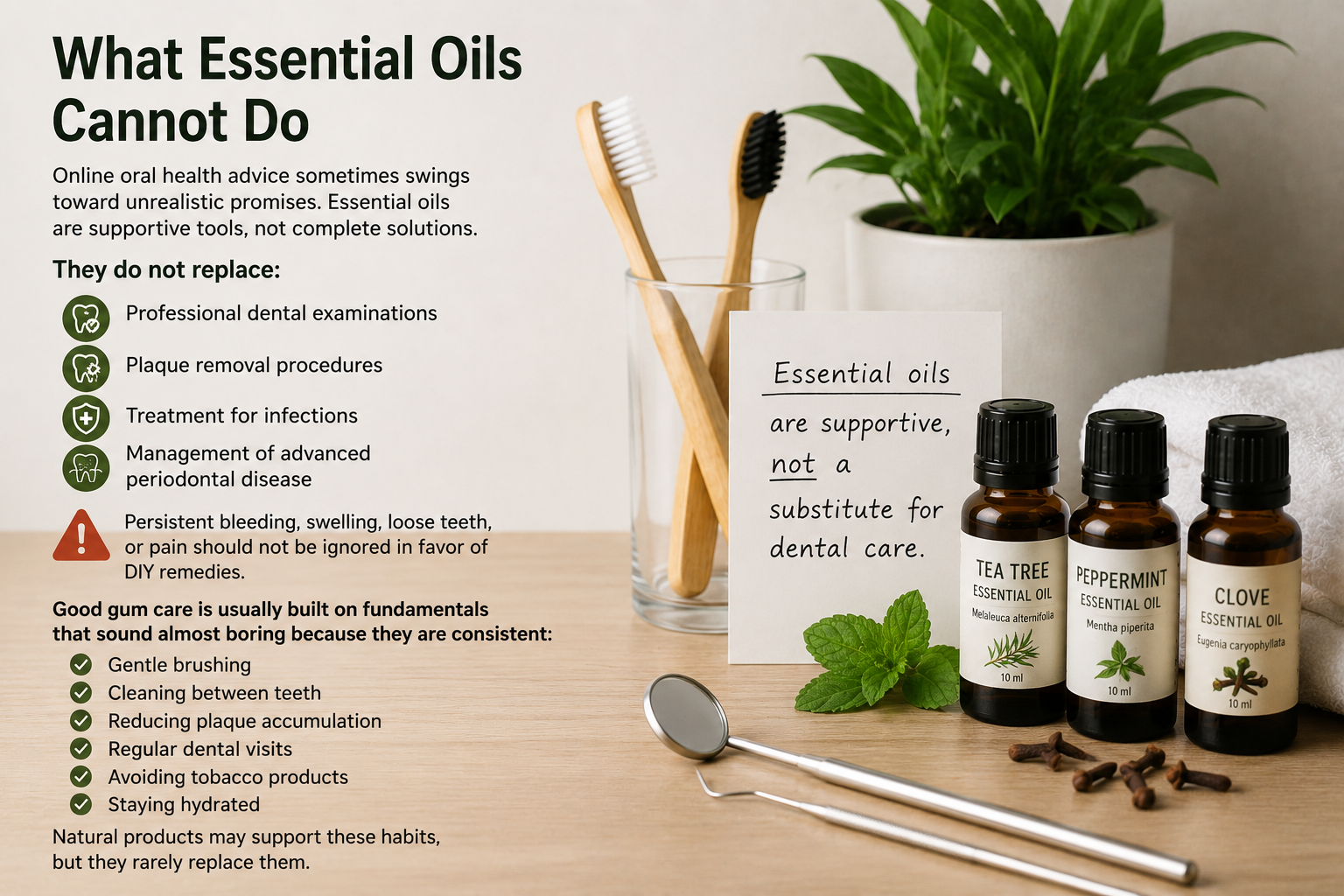
People with persistent swelling, gum recession, loose teeth, or ongoing bleeding should seek professional dental evaluation.
Our Gum Disease Causes, Symptoms, Treatment and Prevention Guide provides comprehensive educational information about periodontal health.
Why Tartar Removal Often Requires Professional Care
Tartar forms when plaque hardens on tooth surfaces. Once hardened, it can attach firmly to teeth and may extend below the gumline.
Daily brushing and flossing help control plaque before it hardens. Professional cleaning can remove established tartar more effectively.
As tartar accumulates, it can provide additional surfaces where bacteria collect. This may contribute to ongoing gum irritation.
Individuals who want to understand professional tartar removal can learn more about professional tartar removal procedure benefits and safety.
Good gum care is built on consistent fundamentals:
Gentle brushing
Cleaning between teeth
Reducing plaque accumulation
Regular dental visits
Avoiding tobacco products
Staying hydrated
Natural oral care products can complement these habits.
Choosing the Right Oil for Gum Health
Choosing an oil depends on the intended use, formulation, concentration, and personal preferences.
Some people prefer coconut oil for oil pulling. Others are interested in botanical essential oils such as clove, peppermint, tea tree, Manuka, or myrrh.
Readers comparing different options can explore our guide to the best oil for gum health for a broader comparison.
When choosing an oil-based product, check whether it is specifically formulated for oral use. Concentrated essential oils require particular care because their strength can vary considerably.
A well-designed oral care product can simplify this process by providing ingredients at an appropriate concentration.
Choosing Oral Care Products Carefully
One useful habit is checking whether an oral care product fits comfortably into your daily routine.
Before trying botanical oral care products, review this Dental Pro 7 side effects and safety guide to better understand appropriate use and precautions.
Readers wanting a broader product evaluation can explore our Dental Pro 7 Comprehensive Review covering scientific evidence, formulation details, and overall oral health considerations.
Products with clear instructions can make consistent use easier. Consumers can also review ingredient lists and follow the recommended application method.
🦷 Thinking About Trying Dental Pro 7?
Understanding the ingredients, recommended use, and safety information can help you make an informed decision before adding a new oral care product to your routine.
👉 View the Official Dental Pro 7 Information
Others compare oral hygiene tools and accessories through Amazon Oral Care Products.
Research and References
Research involving essential oils in oral care continues to evolve. Studies have explored antimicrobial activity, plaque control, and mouthwash formulations involving plant-derived compounds.
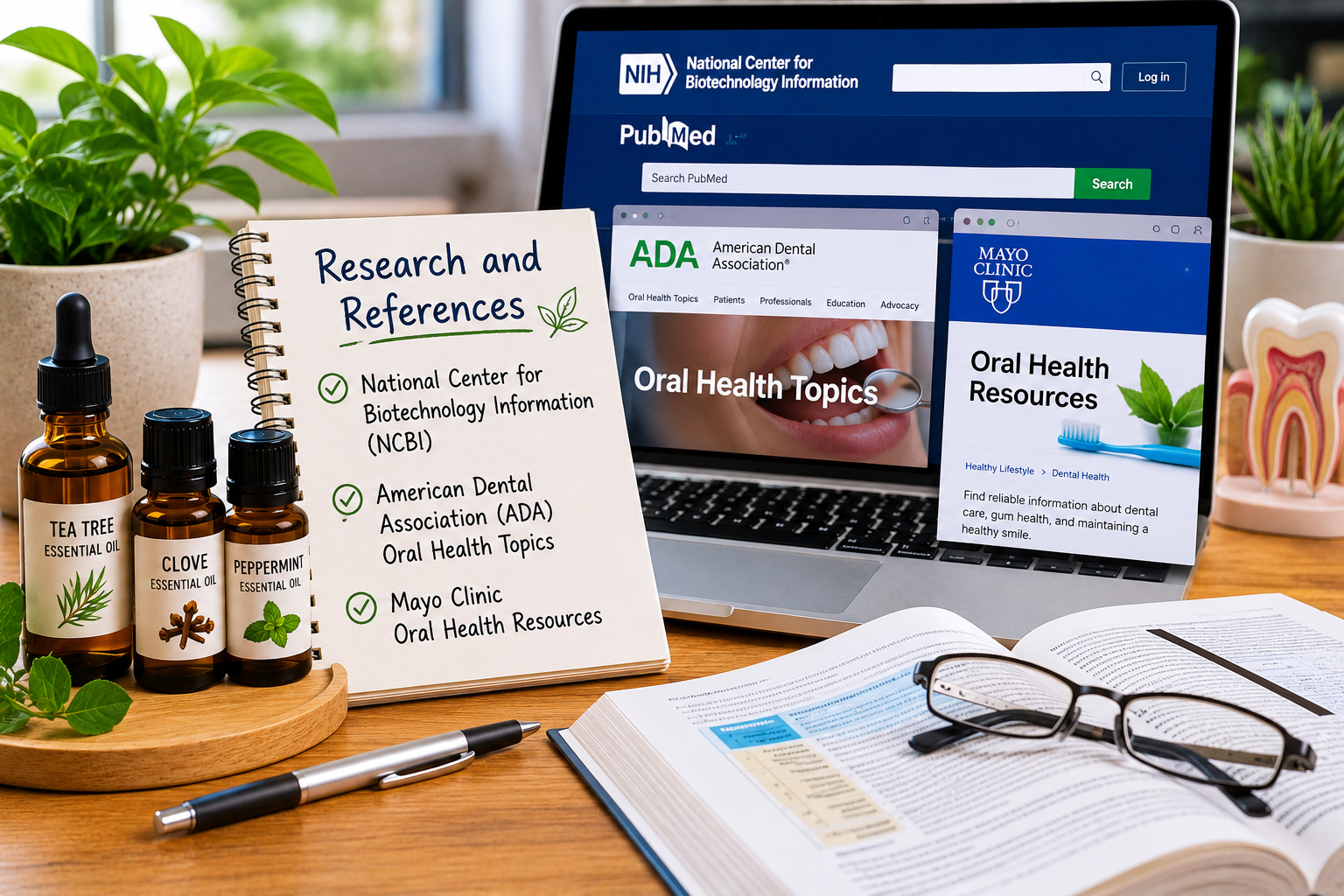
Helpful references include:
- National Center for Biotechnology Information (NCBI)
- American Dental Association (ADA) Oral Health Topics
- Mayo Clinic Oral Health Resources
FAQ – Best Essential Oils for Gum Health Support
What are the best essential oils for gum health support?
Several essential oils are commonly discussed in oral care, including Manuka Oil, Myrrh Oil, White Thyme, Peppermint Oil, and Clove Oil. Each has different properties and applications.
Can essential oils support a healthy oral environment?
Certain plant-derived oils are included in oral care products because they may support oral hygiene and contribute to a fresh, clean mouthfeel.
Is peppermint oil good for fresh breath?
Peppermint oil is widely used in oral care products because it provides a cooling sensation and supports a feeling of freshness after brushing or rinsing.
What is the connection between essential oils and oral bacterial balance?
Researchers continue to study how botanical ingredients interact with microorganisms found in the mouth. This research contributes to broader discussions about oral bacterial balance.
Can essential oils complement brushing and flossing?
Yes. Essential oils can enhance daily oral hygiene routines when included in products specifically formulated for oral care. They provide a botanical approach that supports a fresh and clean mouthfeel.
Is oil pulling the same as using essential oils?
Not exactly. Oil pulling usually involves swishing a carrier oil, such as coconut oil. Essential oils are concentrated plant extracts that may be included in very small amounts in some formulations.
Are natural oral care products always suitable for everyone?
Natural ingredients can still cause irritation or sensitivity in some people. Follow product directions and seek professional advice when needed.
How do oral probiotics differ from essential oils?
Oral probiotics focus on supporting beneficial bacteria. Essential oils add botanical and aromatic properties to oral care products. They can also complement daily hygiene routines by supporting a fresh and clean mouthfeel.
Are essential oils used in Dental Pro 7?
Dental Pro 7 contains botanical ingredients associated with natural oral wellness. Readers can review the Dental Pro 7 ingredients for more information about the formulation.
Editorial Team – Best Essential Oils for Gum Health Support
Reviewed and updated by the Dental Pro 7 Editorial Team, which focuses on oral health education, preventive dental care, oral microbiome research, and consumer information.
Editorial Policy – Best Essential Oils for Gum Health Support
This article follows the Dental Pro 7 Editorial Policy for transparency, source verification, editorial independence, and periodic content review.