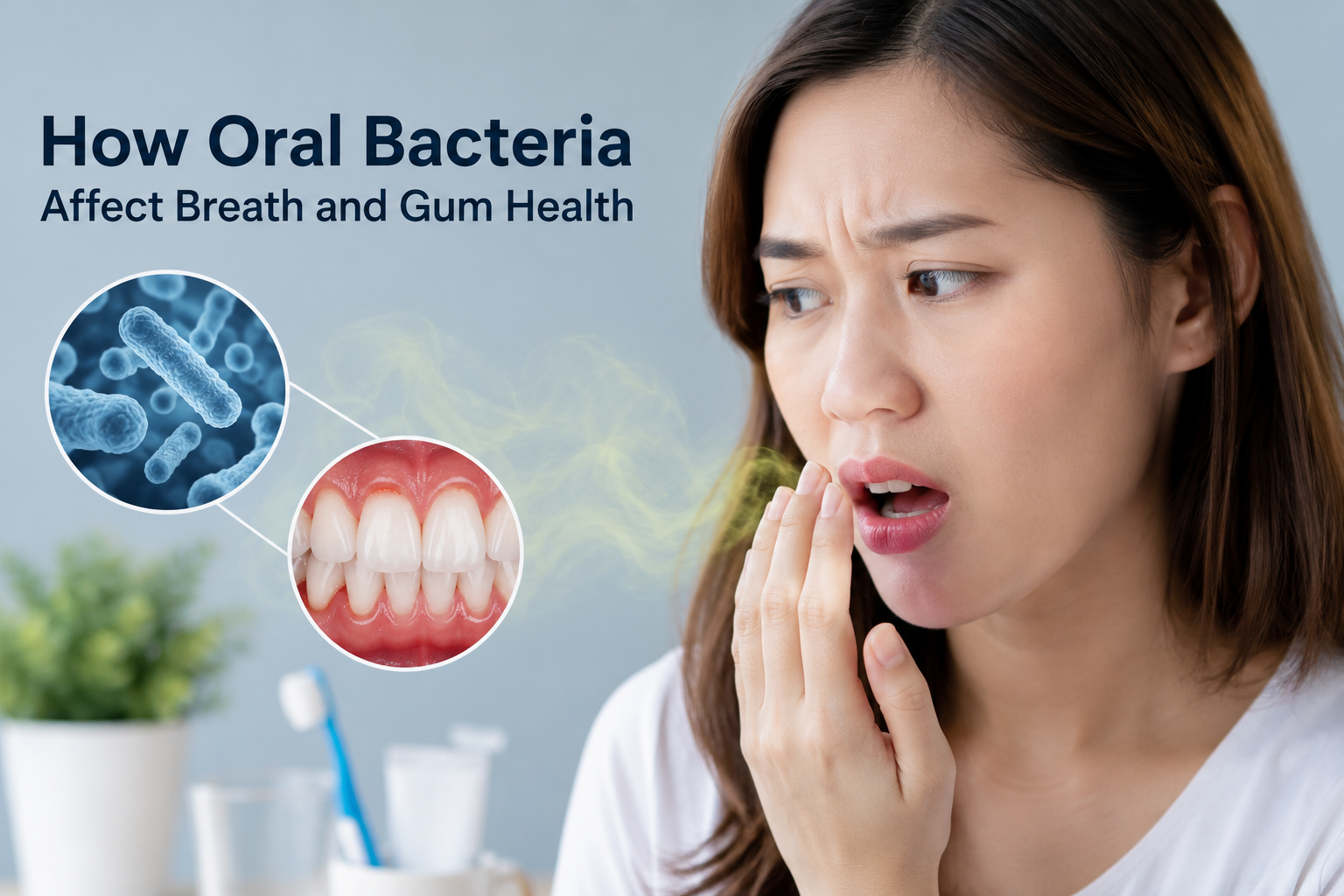
How Oral Bacteria Affect Breath and Gum Health
How Oral Bacteria Affect Breath and Gum Health
How Oral Bacteria Affect Breath and Gum Health: Have you ever brushed your teeth thoroughly in the morning, only to notice unpleasant breath returning a few hours later? Many people assume the problem comes from something they ate or drank. In reality, bacteria in the mouth often play a much larger role than most people realize.
Oral bacteria are present in every healthy mouth. Most of the time, these microorganisms exist in balance and contribute to a normal oral environment. Problems tend to arise when certain bacteria multiply excessively, particularly in areas that are difficult to clean. This imbalance may contribute to bad breath, plaque accumulation, and irritation along the gumline.
Understanding how oral bacteria interact with your teeth, tongue, and gums may help you make more informed decisions about daily oral care and long-term gum health.
What Are Oral Bacteria?
The human mouth contains one of the most diverse microbial communities in the body. Researchers have identified hundreds of bacterial species living on the teeth, tongue, gums, cheeks, and saliva.
Not all oral bacteria are harmful. In fact, many help maintain balance within the oral microbiome. These beneficial microorganisms compete with potentially harmful species and contribute to a stable ecosystem.
Problems can develop when this balance shifts. Factors such as poor oral hygiene, dry mouth, smoking, certain medications, and high-sugar diets may encourage the growth of bacteria associated with plaque formation and unpleasant breath.
Research published through PubMed and NCBI suggests that oral microbial balance plays an important role in maintaining overall oral health.
The Oral Microbiome Matters
Scientists often describe the mouth as a living ecosystem. Similar to the digestive tract, the mouth relies on a balanced microbiome to function properly.
For a deeper understanding of microbial balance, see oral microbiome balance
How Oral Bacteria Contribute to Bad Breath
One of the most common concerns associated with oral bacteria is bad breath, also known as halitosis.
Many bacteria feed on food particles, dead cells, and proteins naturally found in the mouth. During this process, they produce volatile sulfur compounds (VSCs), including hydrogen sulfide and methyl mercaptan. These sulfur-containing gases are often responsible for unpleasant odors.
Common Areas Where Odor-Causing Bacteria Accumulate
The Tongue Surface
The tongue contains tiny grooves and papillae that create an ideal environment for bacterial growth. Food debris and dead cells can become trapped within these structures.
Many oral health professionals consider the tongue one of the primary sources of persistent bad breath. Learn more about tongue bacteria and their connection to halitosis
Between Teeth
Interdental spaces frequently trap food particles. When these areas are not cleaned regularly, bacteria can flourish.
Along the Gumline
The area where teeth meet the gums is often missed during brushing. Bacteria may accumulate and begin forming plaque.
Gum Pockets
As plaque accumulates, deeper spaces around the gums can become bacterial reservoirs that are difficult to clean effectively.
The American Dental Association (ADA) notes that bacterial activity is among the most common causes of bad breath.
Helpful Tool for Managing Tongue Bacteria
Many people focus solely on brushing teeth while neglecting the tongue. A quality tongue scraper may help remove debris and bacterial buildup from the tongue’s surface.
Affiliate Recommendation:
- Tongue Scraper (Amazon)
- Search: Stainless Steel Tongue Scraper
When used alongside brushing and flossing, tongue cleaning may support fresher breath throughout the day.
The Connection Between Bacteria and Plaque Formation
Bad breath is only one part of the story. Oral bacteria also play a significant role in plaque development.
After eating, bacteria attach themselves to tooth surfaces and begin forming a sticky biofilm. This biofilm is commonly known as plaque.
How Plaque Forms
The process typically follows several stages:
- Bacteria attach to tooth surfaces.
- Microorganisms multiply and form colonies.
- A protective matrix develops around the colonies.
- The biofilm thickens over time.
If plaque is not removed regularly, it may harden into tartar, which cannot be removed through brushing alone.
Why the Gumline Is Vulnerable
Plaque often accumulates near the gumline because this area receives less natural cleansing from saliva and chewing movements.
Over time, bacterial buildup along the gumline may contribute to irritation and inflammation.
To better understand this process, explore oral biofilm formation
Educational Product Spotlight
Some individuals seek products designed to support microbial balance in the mouth.
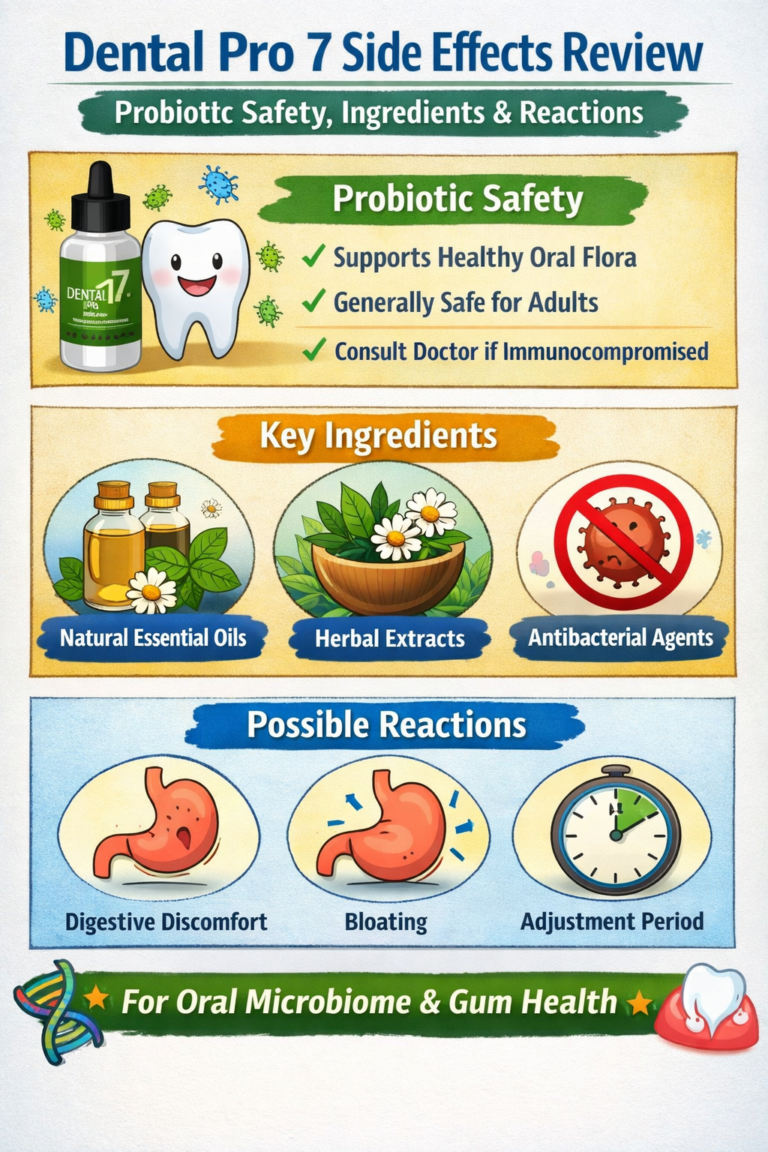
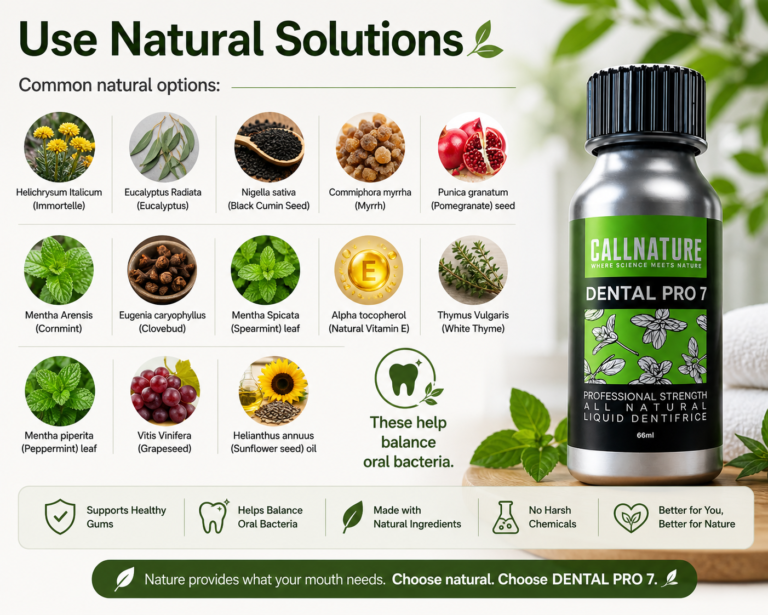
Dental Pro 7 is frequently discussed as an oral probiotic formulation intended to support a healthier oral environment.
Readers interested in the product’s approach can also explore How Does Dental Pro 7 Work to better understand its oral microbiome support strategy.
Learn more about oral microbiome support:
How Bacteria May Affect Gum Health
The body’s immune system constantly interacts with oral bacteria.
When bacterial populations become excessive, the gums may respond with inflammation.
Early Signs of Gum Irritation
Common signs include:
- Redness
- Swelling
- Tenderness
- Bleeding during brushing
- Increased sensitivity
These changes often reflect the body’s response to bacterial accumulation rather than direct damage from bacteria alone.
The Inflammatory Response
Inflammation is a natural defense mechanism. However, persistent plaque accumulation may keep the immune system activated for extended periods.
Why Early Action Matters
Addressing bacterial buildup early may help reduce factors associated with more advanced gum problems later.
Routine plaque control remains one of the most effective strategies for supporting long-term gum health.
Common Factors That Encourage Bacterial Growth
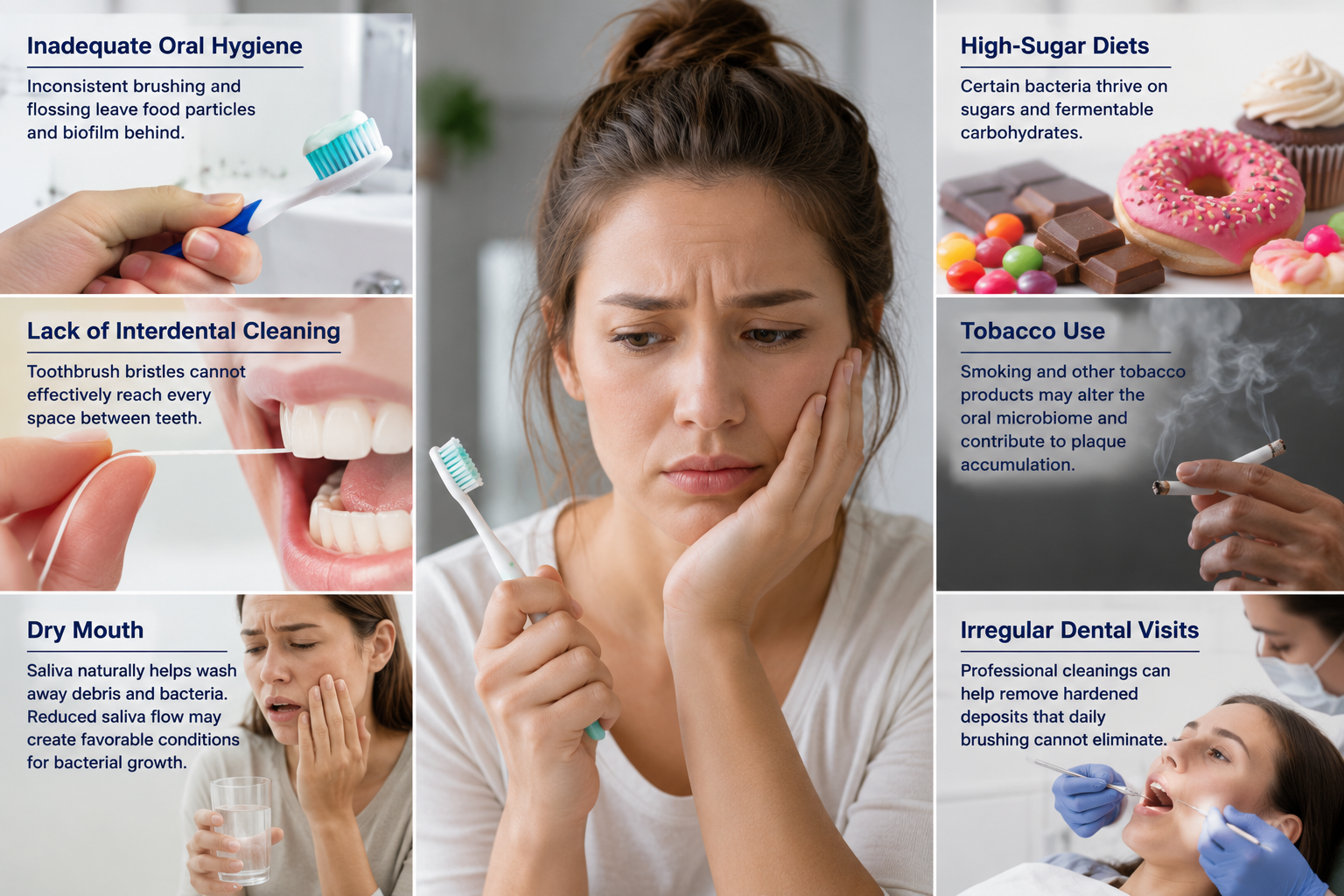
Several lifestyle and environmental factors can encourage bacterial overgrowth.
Inadequate Oral Hygiene
Inconsistent brushing and flossing leave food particles and biofilm behind.
Lack of Interdental Cleaning
Toothbrush bristles cannot effectively reach every space between teeth.
Dry Mouth
Saliva naturally helps wash away debris and bacteria. Reduced saliva flow may create favorable conditions for bacterial growth.
High-Sugar Diets
Certain bacteria thrive on sugars and fermentable carbohydrates.
Tobacco Use
Smoking and other tobacco products may alter the oral microbiome and contribute to plaque accumulation.
Irregular Dental Visits
Professional cleanings can help remove hardened deposits that daily brushing cannot eliminate.
Signs That Oral Bacteria May Be Affecting Your Mouth
Recognizing early signs may help you take action before problems become more noticeable.
Common indicators include:
- Persistent bad breath
- White coating on the tongue
- Visible plaque buildup
- Bleeding gums
- Gum tenderness
- Increased gum sensitivity
- Unpleasant taste in the mouth
While these signs do not automatically indicate serious disease, they may warrant closer attention to oral hygiene practices.
Additional Support for Fresh Breath
Some people incorporate oral probiotics as part of their routine to help support a balanced oral microbiome.
Learn more about oral probiotics for fresh breath:
Some individuals explore supportive oral care products designed to complement daily hygiene habits and help maintain a balanced oral environment.
These products may complement, but not replace, regular brushing, flossing, and professional dental care.
Habits That May Help Support a Healthier Oral Environment

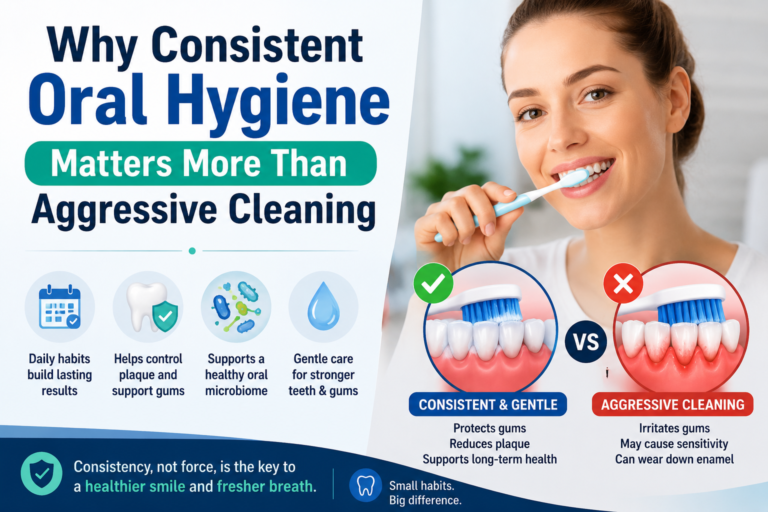
Improving daily habits often has a greater long-term impact than relying on any single product.
Brush Twice Daily
Use proper brushing technique and spend adequate time cleaning all tooth surfaces.
Clean Between Teeth Daily
Floss or interdental cleaners help remove plaque from areas toothbrushes cannot reach.
Clean the Tongue
Regular tongue cleaning may reduce odor-causing bacterial accumulation.
Stay Hydrated
Adequate hydration supports saliva production and natural cleansing mechanisms.
Limit Sugary Foods and Drinks
Reducing sugar intake may help limit bacterial fuel sources.
Schedule Regular Dental Checkups
Professional evaluations can identify areas of concern before they become more advanced.
Consider Helpful Oral Care Tools
Useful tools may include:
- Electric toothbrushes
- Water flossers
- Tongue scrapers
- Alcohol-free mouthwash
Electric toothbrushes may improve plaque removal consistency for some users compared with manual brushing alone.
Key Takeaways
Oral bacteria are a normal and essential part of the mouth’s ecosystem. Most are harmless, and some may even support oral health.
However, when bacterial populations become imbalanced, they may contribute to bad breath, plaque accumulation, and gum irritation. Areas such as the tongue, gumline, and spaces between teeth often serve as common bacterial reservoirs.
Consistent brushing, daily interdental cleaning, tongue care, hydration, and regular dental visits may help support a healthier oral environment. Small daily habits often make the biggest difference in maintaining fresher breath and healthier gums over time.
FAQ
What causes bad breath from oral bacteria?
Oral bacteria break down proteins and food particles, producing sulfur-containing compounds that can create unpleasant odors.
Are all bacteria in the mouth harmful?
No. Many oral bacteria are beneficial and help maintain a balanced oral microbiome.
Can plaque contribute to gum problems?
Plaque contains bacterial communities that may trigger inflammation and irritation when allowed to accumulate along the gumline.
Why does my breath still smell after brushing?
Odor-causing bacteria may remain on the tongue, between teeth, or below the gumline even after brushing.
Can oral probiotics help with bad breath?
Some research suggests oral probiotics may support microbial balance, which could contribute to fresher breath in certain individuals.
How often should I clean my tongue?
Many dental professionals recommend cleaning the tongue daily as part of a comprehensive oral hygiene routine.
Can oral bacteria affect gum health?
Oral bacteria play a role in plaque formation and may contribute to gum irritation when microbial balance becomes disrupted.
What helps maintain a healthy balance of oral bacteria?
Regular brushing, flossing, tongue cleaning, hydration, balanced nutrition, and routine dental visits may help support oral microbiome balance.
References
- National Institutes of Health (NIH)
- National Center for Biotechnology Information (NCBI)
- PubMed
- American Dental Association (ADA)
- Centers for Disease Control and Prevention (CDC)
- Mayo Clinic
- Cleveland Clinic
- Peer-reviewed periodontal and oral microbiology journals
Dental Pro 7 Editorial Team
The Dental Pro 7 Editorial Team reviews oral health, oral microbiome, gum care, plaque control, and preventive dentistry topics to help provide accurate educational information.
Dental Pro 7 Editorial Policy
Content is reviewed for accuracy, clarity, transparency, and educational value using reputable health, dental, and scientific sources.
Last Updated Date
Last Updated: June 2026
This article was reviewed and updated to reflect current information regarding oral bacteria, bad breath, plaque formation, gum health, and oral microbiome research.