How Gum Tissue Responds to Daily Oral Hygiene Habits
How Gum Tissue Responds to Daily Oral Hygiene Habits
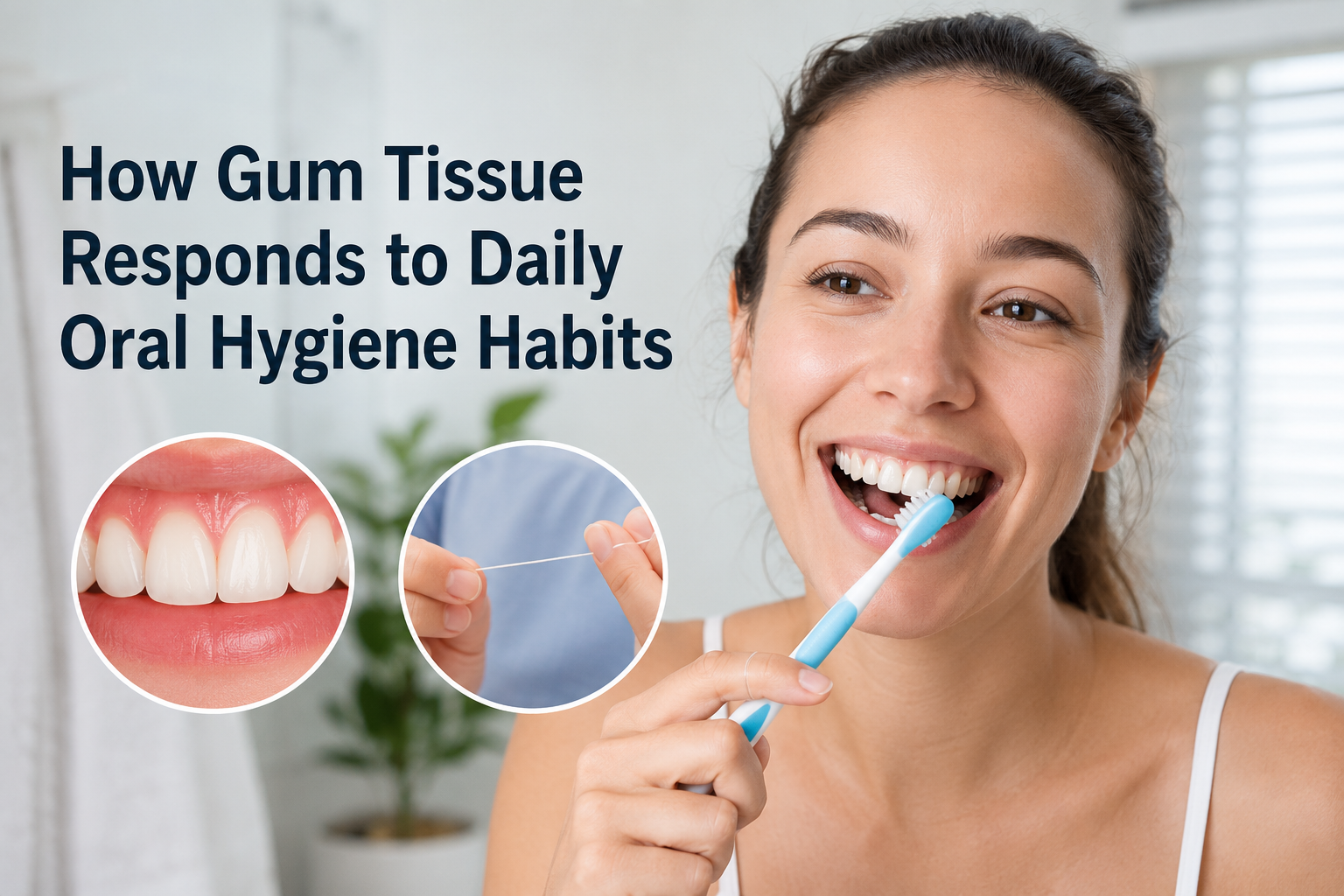
How Gum Tissue Responds to Daily Oral Hygiene Habits: Have you ever noticed that your gums seem healthier when you’re consistent with brushing and flossing, yet become more sensitive after just a few days of neglecting your routine?
Many people assume that gums are passive tissues that simply sit around the teeth. In reality, gum tissue is remarkably responsive. It constantly reacts to changes in bacterial activity, plaque accumulation, saliva flow, food debris, and oral hygiene habits.
One common misconception is that brushing harder or cleaning more aggressively automatically leads to healthier gums. However, research and clinical observations suggest that consistency often matters more than intensity. Gum tissue tends to respond best to gentle, regular care rather than occasional aggressive cleaning sessions.
Understanding how gums react to daily habits may help you make better decisions about your oral care routine and support long-term oral health.
The Dynamic Nature of Gum Tissue
Gum tissue serves as a protective barrier around the teeth and underlying structures. Unlike hard enamel, gums are soft, living tissues supplied by blood vessels and immune cells.
Throughout the day, gums interact with:
- Oral bacteria
- Food particles
- Saliva
- Mechanical forces from brushing and chewing
- Changes in the oral microbiome
Because of these ongoing interactions, gum tissue continuously adapts to its environment.
Research published in PubMed and NCBI has shown that gum tissues play an active role in immune defense by responding to bacterial biofilms that develop near the gumline. These responses may influence comfort, appearance, and overall gum condition.
How Healthy Oral Hygiene Habits May Support Gum Tissue
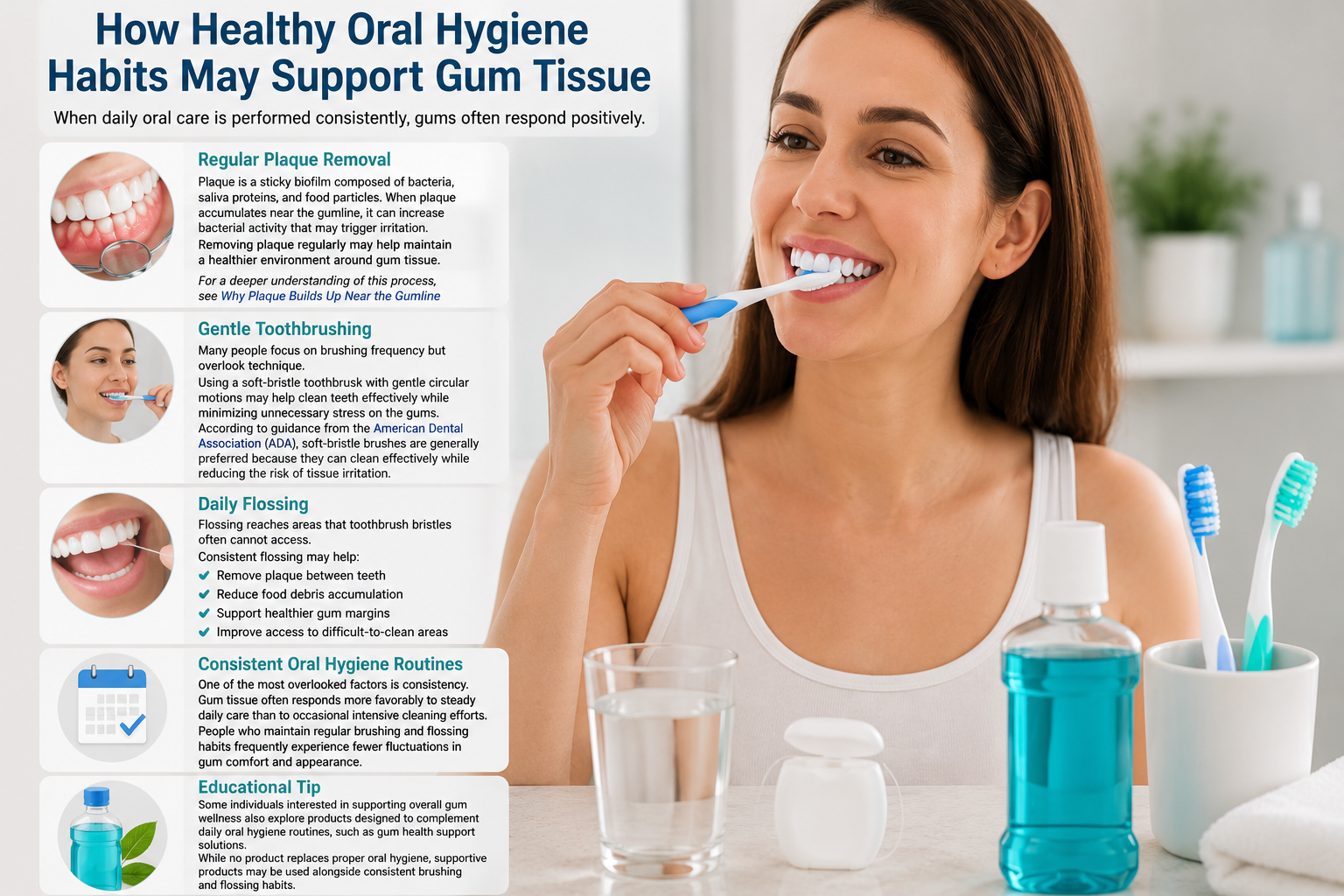
When daily oral care is performed consistently, gums often respond positively.
Regular Plaque Removal
Plaque is a sticky biofilm composed of bacteria, saliva proteins, and food particles. When plaque accumulates near the gumline, it can increase bacterial activity that may trigger irritation.
Removing plaque regularly may help maintain a healthier environment around gum tissue.
For a deeper understanding of this process, see Why Plaque Builds Up Near the Gumline
Gentle Toothbrushing
Many people focus on brushing frequency but overlook technique.
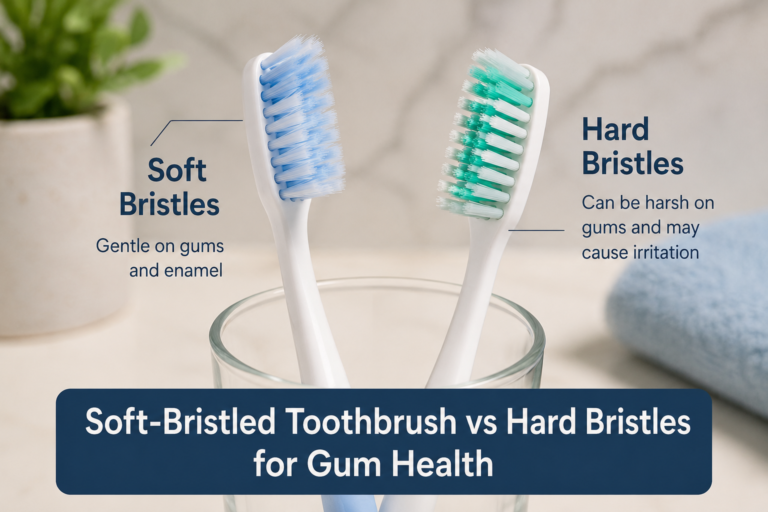
Using a soft-bristle toothbrush with gentle circular motions may help clean teeth effectively while minimizing unnecessary stress on the gums.
According to guidance from the American Dental Association (ADA), soft-bristle brushes are generally preferred because they can clean effectively while reducing the risk of tissue irritation.
Daily Flossing
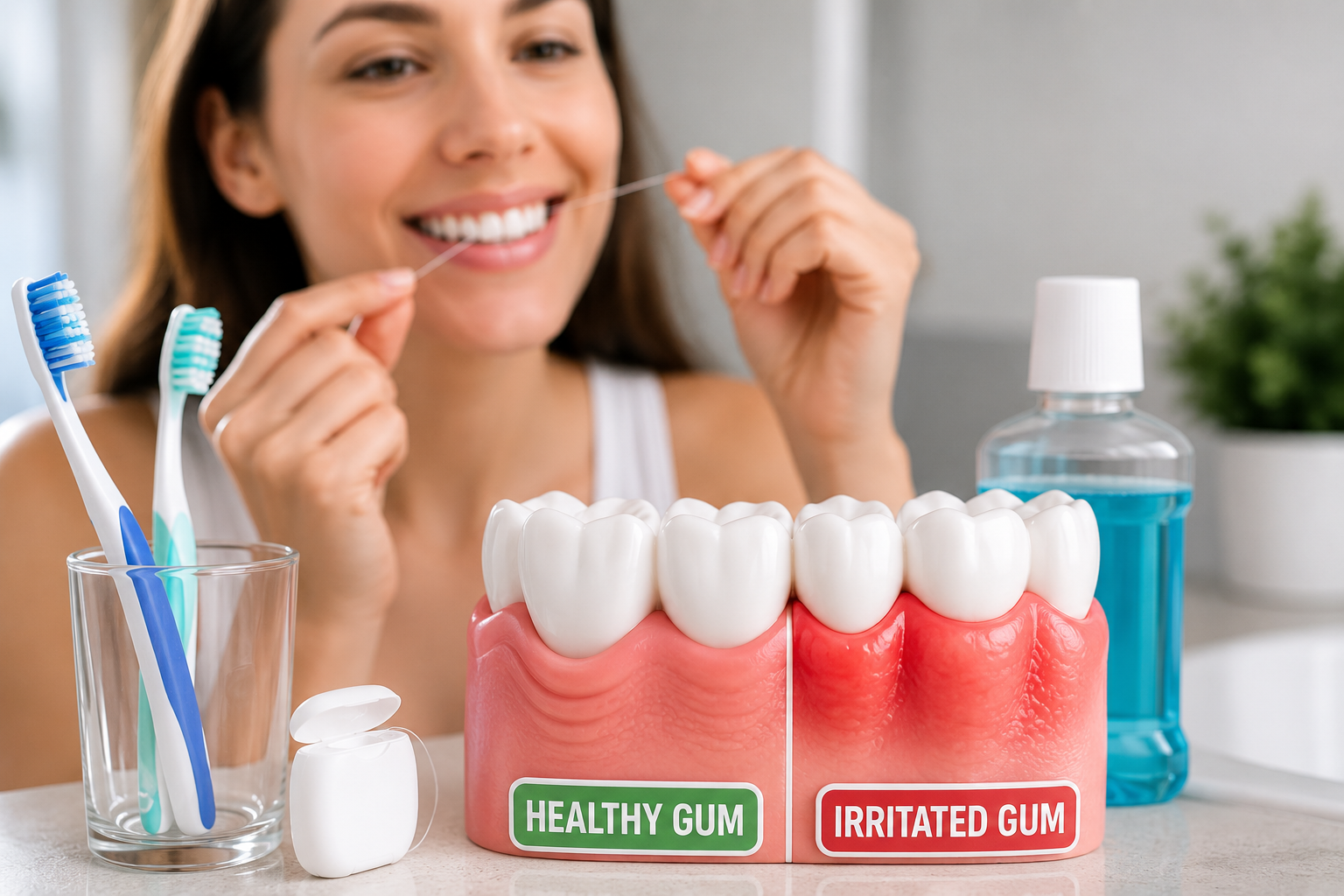
Flossing reaches areas that toothbrush bristles often cannot access.
Consistent flossing may help:
- Remove plaque between teeth
- Reduce food debris accumulation
- Support healthier gum margins
- Improve access to difficult-to-clean areas
Consistent Oral Hygiene Routines
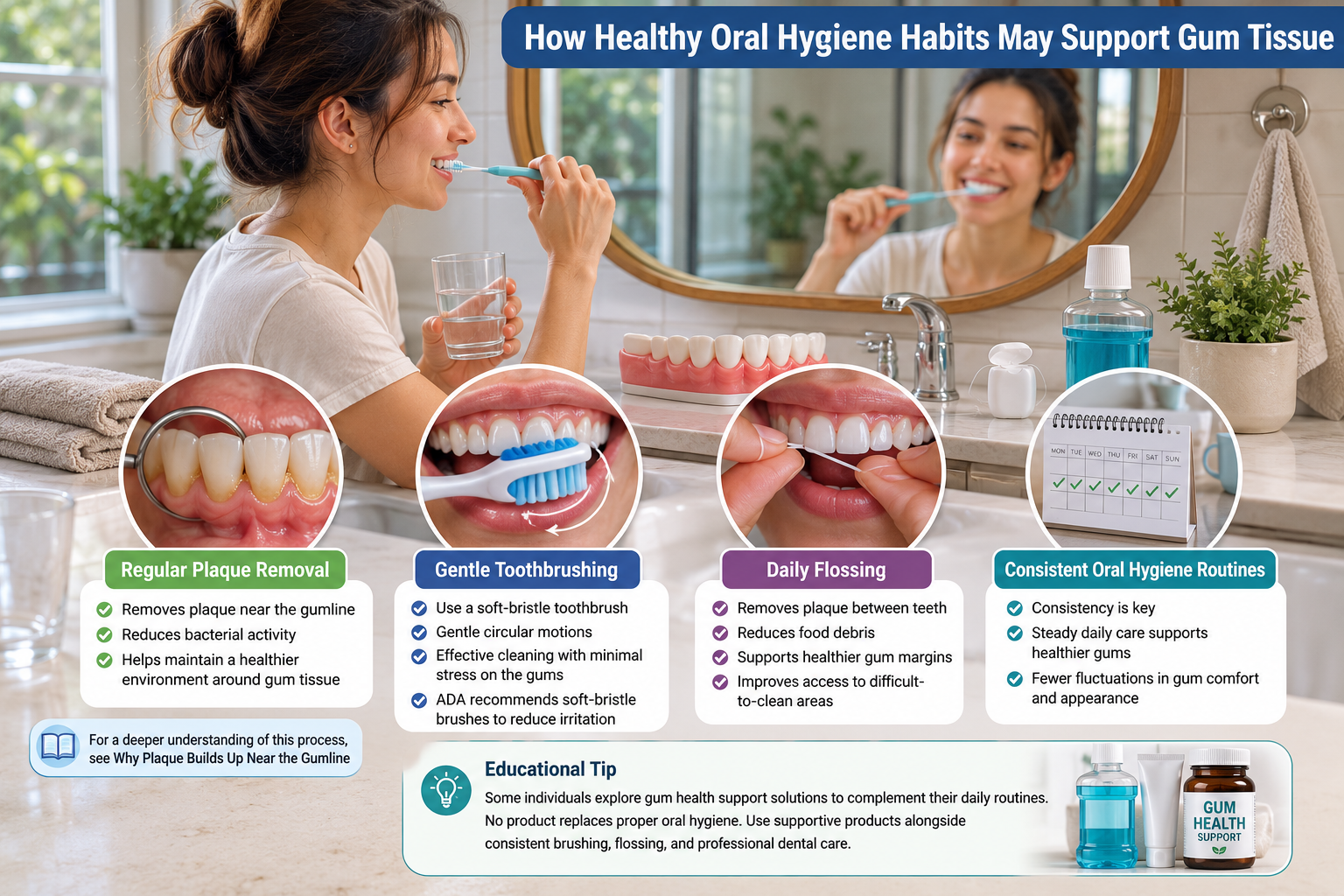
One of the most overlooked factors is consistency.
Gum tissue often responds more favorably to steady daily care than to occasional intensive cleaning efforts.
People who maintain regular brushing and flossing habits frequently experience fewer fluctuations in gum comfort and appearance.
Educational Tip
Some individuals interested in supporting overall gum wellness also explore products designed to complement daily oral hygiene routines, such as gum health support solutions
While no product replaces proper oral hygiene, supportive products may be used alongside consistent brushing and flossing habits.
How Gum Tissue Responds to Plaque Accumulation
Gums often provide early signals when oral hygiene becomes inconsistent.
Plaque Near the Gumline
The gumline creates a natural environment where plaque can accumulate if not removed regularly.
As plaque builds up, bacterial communities become more established, increasing exposure to bacterial byproducts.
Increased Bacterial Activity
The oral microbiome contains hundreds of bacterial species.
A balanced microbiome is associated with oral health. However, when plaque accumulates, certain bacterial populations may become more dominant.
Research published in peer-reviewed journals suggests that changes in bacterial composition can influence how gum tissues respond.
Early Signs of Irritation
Common early responses may include:
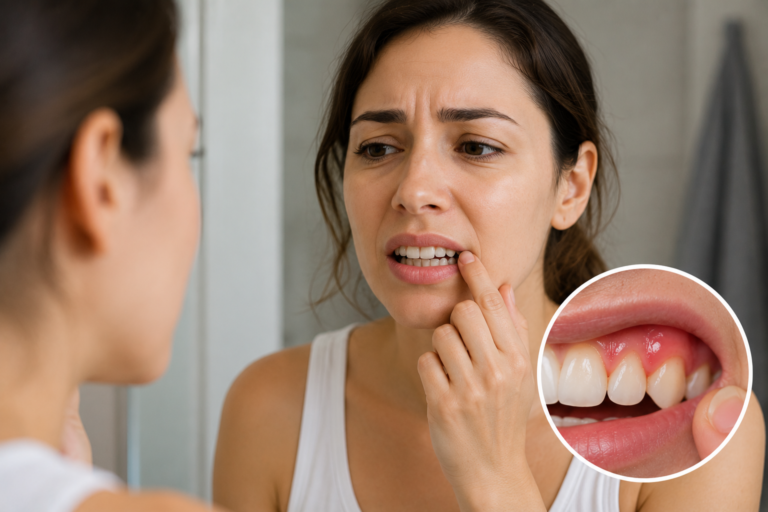
- Mild redness
- Slight swelling
- Increased sensitivity
- Occasional bleeding during brushing or flossing
These changes often represent the body’s natural response to increased bacterial activity.
Readers interested in learning more can explore Understanding the Early Stages of Gum Inflammation:
The Impact of Brushing Technique on Gum Tissue
Brushing technique matters just as much as brushing frequency.
Gentle Brushing vs Aggressive Brushing
Aggressive brushing is often mistaken for thorough cleaning.
In reality, excessive force may:
- Irritate gum tissue
- Cause discomfort
- Contribute to gum recession over time
- Wear down tooth surfaces
Gentle brushing generally provides effective cleaning while minimizing unnecessary trauma.
Toothbrush Bristle Firmness
Soft bristles are typically recommended because they adapt better to tooth and gum contours.
Medium or hard bristles may not necessarily clean better and can increase mechanical stress on delicate tissues.
Pressure Applied During Brushing
An easy rule of thumb is to allow the bristles to do the work.
If the toothbrush bristles become flattened quickly, excessive pressure may be being used.
Educational
Individuals seeking a broader understanding of gum-friendly oral care approaches may find this resource helpful:
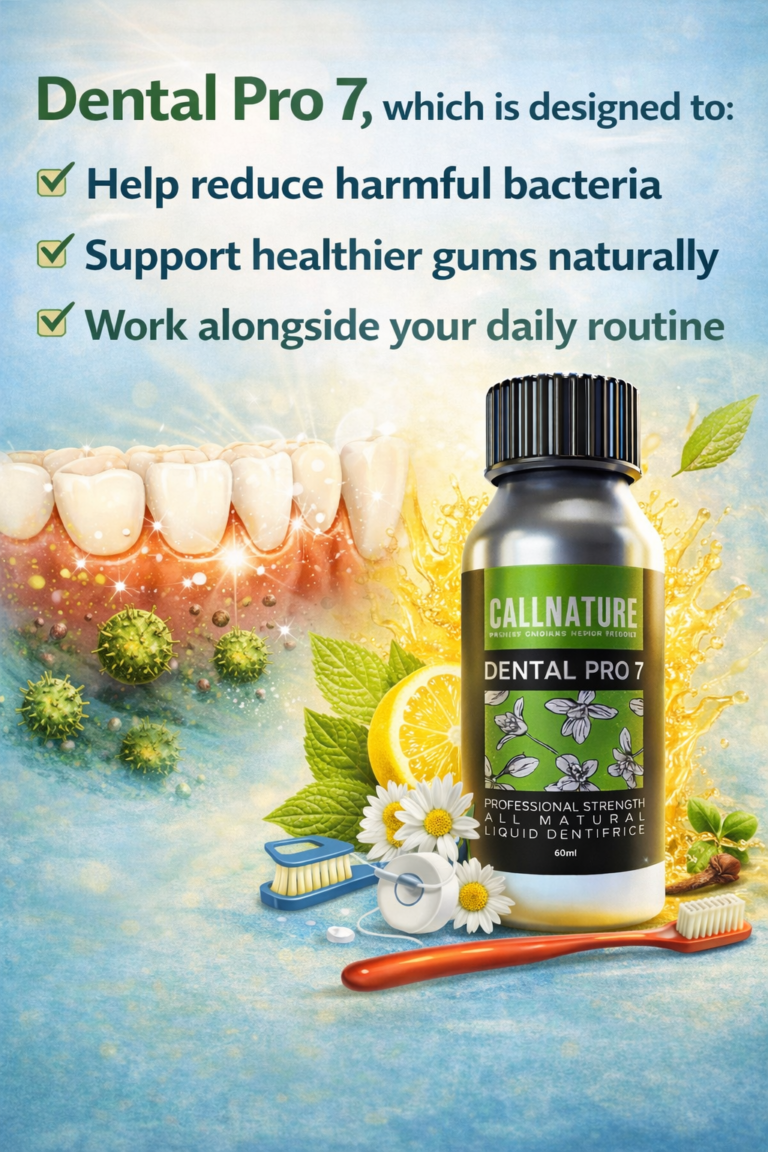
Dental Pro 7 Professional Strength Natural Dental Solution for Teeth and Gum Health
The focus should always remain on maintaining proper brushing, flossing, and oral hygiene habits.
How Flossing Influences Gum Response
Flossing can trigger noticeable changes in gum tissue, particularly when someone begins flossing after a long period of inconsistency.
Initial Bleeding When Beginning Flossing
A common question is:
“Why do my gums bleed when I start flossing?”
In some cases, gums may react to previously accumulated plaque and irritation.
Occasional mild bleeding may decrease as plaque is removed more consistently and tissues adapt to proper cleaning.
Consistent Flossing Habits
Regular flossing may help support:
- Cleaner interdental spaces
- Reduced plaque accumulation
- Better gumline maintenance
Proper Flossing Technique
Technique matters significantly.
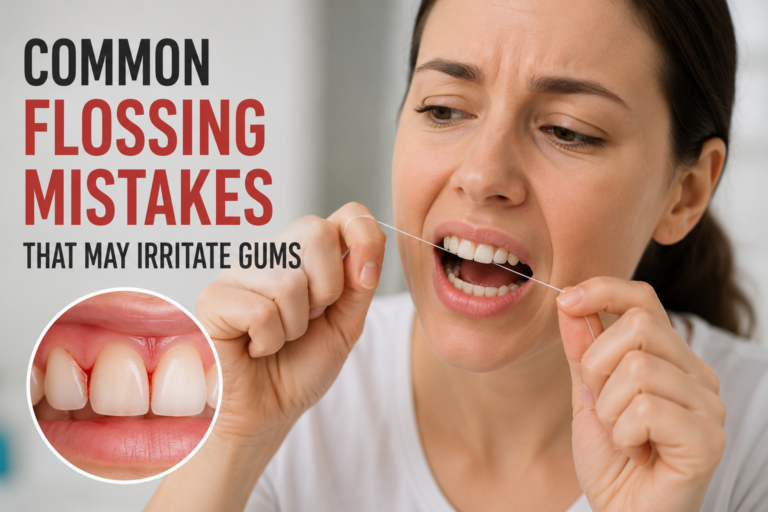
Improper flossing can cause unnecessary irritation, even when done daily.
Common mistakes include:
- Snapping floss into the gums
- Using excessive force
- Skipping difficult areas
Readers can learn more in Common Flossing Mistakes That May Irritate Gums:
The Role of Saliva in Supporting Gum Health
Saliva is often overlooked despite being one of the most important protective factors in the mouth.
Moisture and Tissue Comfort
Healthy gum tissue depends on adequate moisture.
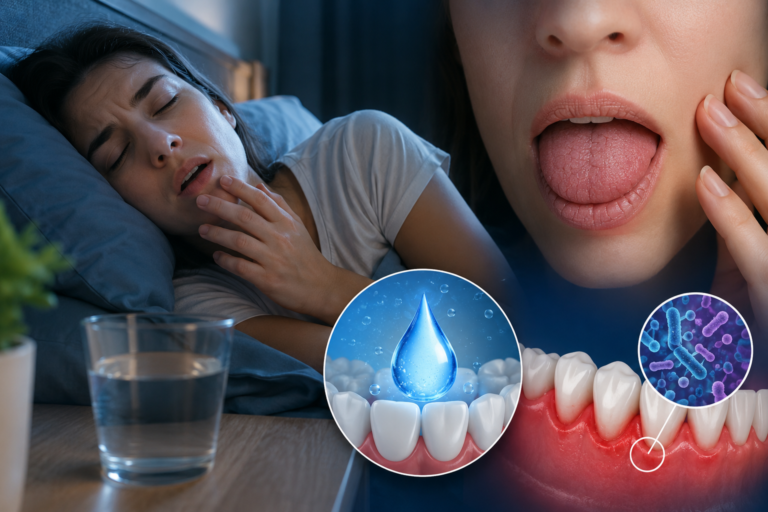
When the mouth becomes dry, tissues may become more susceptible to irritation and discomfort.
Natural Cleansing Action
Saliva continuously helps wash away:
- Food particles
- Dead cells
- Some bacterial byproducts
This natural cleansing process contributes to oral comfort.
Oral Microbiome Balance
Saliva also helps support microbial balance.
Research published in NCBI suggests that saliva influences the composition of bacterial communities throughout the mouth.
A balanced oral microbiome is associated with healthier oral environments, while disruptions may contribute to unpleasant breath and tissue irritation.
Signs That Gum Tissue Is Responding Well to Daily Care
Healthy gum responses are often subtle.
Consistent Color
Healthy gums typically display a consistent color pattern appropriate for an individual’s natural pigmentation.
Firm Texture
Gums often feel firm and resilient rather than swollen or overly tender.
Comfortable Brushing and Flossing
Daily oral hygiene should generally become more comfortable when gums respond positively.
Minimal Swelling
Healthy tissue usually maintains a stable appearance without frequent puffiness.
No Frequent Bleeding
Occasional minor irritation can occur, but frequent bleeding may warrant professional evaluation.
For additional guidance, readers may find What Healthy Gums Usually Look Like useful
Common Daily Habits That May Irritate Gum Tissue
Certain everyday habits may unintentionally contribute to gum irritation.
Brushing Too Hard
Excessive brushing pressure remains one of the most common mistakes.
Skipping Flossing
Missing interdental cleaning allows plaque to accumulate in areas toothbrushes often miss.
Inconsistent Oral Hygiene
Long gaps between cleaning sessions may encourage bacterial buildup.
Using Worn Toothbrushes
Old toothbrushes may clean less effectively and can make plaque removal more difficult.
Frequent Consumption of Sugary Foods
Sugar provides fuel for certain bacteria that contribute to plaque formation.
Neglecting Overall Gum Maintenance
Long-term gum health is often supported by a combination of:
- Consistent brushing
- Daily flossing
- Professional dental care
- Healthy dietary choices
For practical guidance, readers may explore How to Maintain Healthy Gums: Simple Daily Habits for Better Oral Health:
Conclusion
Gum tissue is far more dynamic than many people realize. Every day, it responds to brushing habits, flossing routines, plaque levels, saliva flow, and changes within the oral microbiome.
Positive responses are commonly associated with consistent plaque removal, gentle brushing, proper flossing techniques, and maintaining a balanced oral environment. In contrast, plaque accumulation and aggressive cleaning habits may contribute to irritation and discomfort.
Perhaps the most valuable takeaway is that gums often respond better to steady, gentle care than to occasional aggressive cleaning efforts. Small daily habits, practiced consistently, can play a meaningful role in supporting long-term gum health.
FAQ – How Gum Tissue Responds to Daily Oral Hygiene Habits
Can gums become healthier with better brushing habits?
Many people notice improvements in gum comfort and appearance when they adopt consistent, gentle brushing habits and effective plaque control.
Why do my gums sometimes bleed when I start flossing?
Occasional bleeding may occur when plaque has accumulated between teeth. Consistent and proper flossing may help improve gum response over time.
Is brushing harder more effective for gum health?
Not necessarily. Excessive brushing force may irritate gum tissue. Gentle, thorough brushing is generally recommended.
How does saliva help protect gums?
Saliva helps maintain moisture, supports oral microbiome balance, and contributes to the natural cleansing of the mouth.
What are common signs of healthy gums?
Healthy gums often have a consistent color, firm texture, minimal swelling, and do not bleed frequently during brushing or flossing.
Can oral bacteria affect gum tissue?
Yes. Changes in bacterial communities within the oral microbiome may influence how gum tissue responds and adapts to its environment.
About the Author
Author: Dental Pro 7 Ingredients Editorial Team
The Dental Pro 7 Ingredients Editorial Team develops evidence-based educational content focused on oral health, gum wellness, oral microbiome research, and healthy lifestyle practices. Content is informed by scientific literature, public health resources, and peer-reviewed research to help readers make informed oral health decisions.
Disclaimer – How Gum Tissue Responds to Daily Oral Hygiene Habits
This article is intended for educational and informational purposes only. It is not intended to diagnose, treat, cure, or prevent any disease and should not be considered a substitute for professional dental advice, diagnosis, or treatment. Always consult a qualified dental professional regarding questions about your oral health.