
Saliva and Oral Microbiome Balance
Saliva and Oral Microbiome Balance: Why It Matters for Oral Health
Saliva and Oral Microbiome Balance: Many people assume bad breath starts because they forgot to brush their teeth. While poor oral hygiene can certainly contribute, the story is often more complex.
Some individuals brush twice daily, floss regularly, and still notice unpleasant breath, recurring plaque buildup, or persistent gum irritation. In many cases, these issues may be connected to something less visible: the relationship between saliva and the oral microbiome.
Your mouth is home to hundreds of species of microorganisms that form a complex ecosystem. Saliva plays a crucial role in helping keep that ecosystem balanced. When saliva production decreases or microbial diversity changes, the environment inside the mouth may shift in ways that support plaque accumulation, unpleasant odors, and gum-related concerns.
Understanding how saliva and oral bacteria interact can provide valuable insight into long-term oral health and help explain why some problems continue despite seemingly good hygiene habits.
What Is Saliva?
Saliva is far more than water. Produced by several salivary glands throughout the mouth, it is a complex fluid containing enzymes, proteins, minerals, electrolytes, antibodies, and antimicrobial compounds.
Most people produce between 0.5 and 1.5 liters of saliva each day, although production naturally fluctuates based on hydration, medications, age, diet, and overall health.
Key Functions of Saliva
Saliva helps:
- Moisten oral tissues
- Assist chewing and swallowing
- Begin the digestive process
- Neutralize acids
- Wash away food debris
- Support enamel remineralization
- Help regulate bacterial populations
One of saliva’s most important yet often overlooked roles is maintaining the balance of microorganisms living inside the mouth.
According to NCBI and peer-reviewed microbiology research, saliva acts as both a transport medium and a regulatory system that influences which microbes thrive and which remain under control.
What Is the Oral Microbiome?
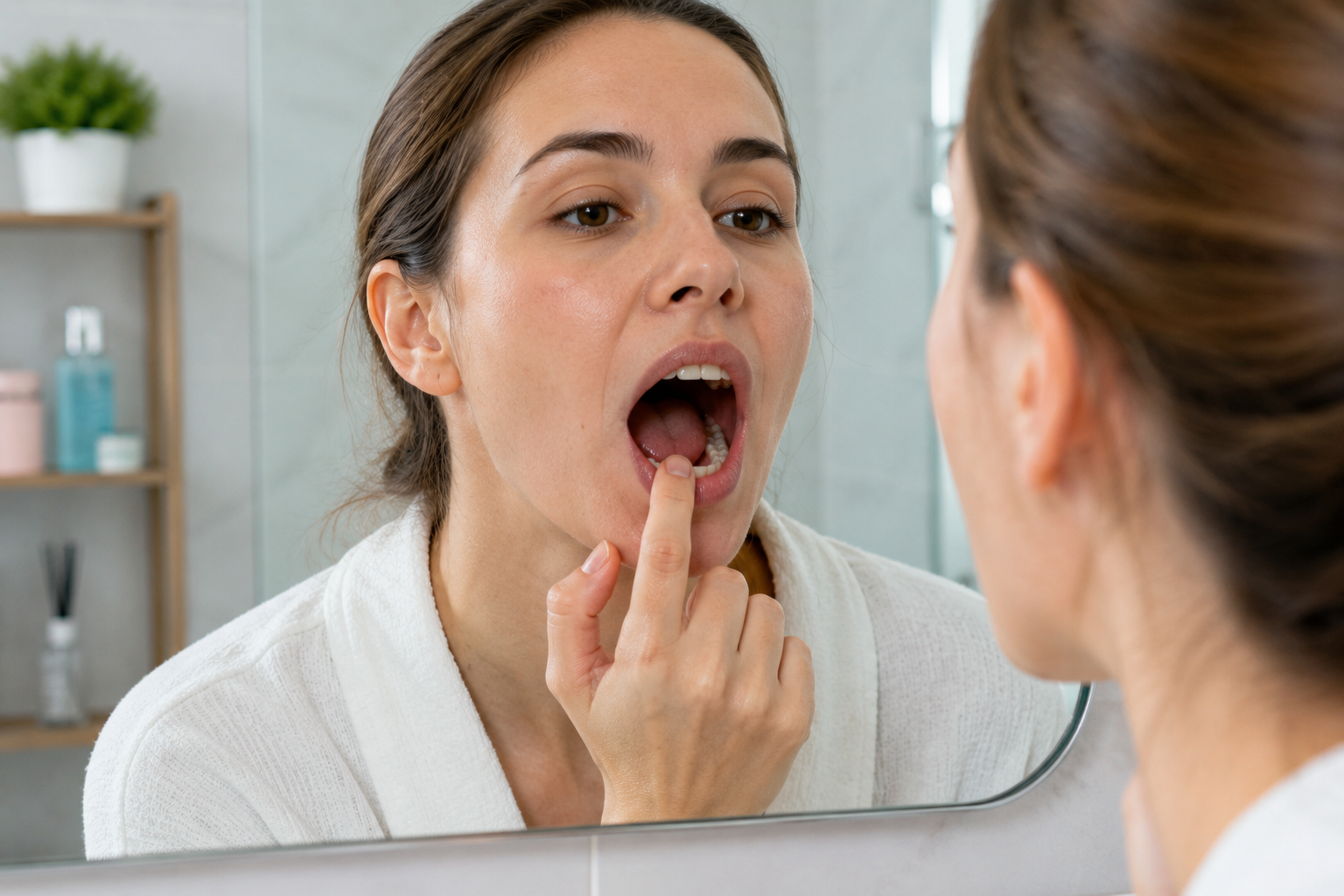
The oral microbiome refers to the collection of bacteria, fungi, viruses, and other microorganisms naturally present within the mouth.
Contrary to popular belief, not all oral bacteria are harmful.
Many microorganisms perform beneficial functions, including:
- Occupying surfaces that might otherwise be colonized by less desirable species
- Contributing to ecosystem stability
- Participating in nutrient processing
- Helping regulate microbial diversity
Problems tend to arise when microbial balance shifts significantly.
Beneficial vs. Potentially Harmful Bacteria
A healthy oral microbiome contains a diverse range of microorganisms that coexist in relative balance.
When environmental conditions change—such as reduced saliva flow, excess sugar intake, smoking, or poor oral hygiene—certain bacteria may gain an advantage over others.
Research published through PubMed suggests that reduced microbial diversity is often associated with increased plaque accumulation and various oral health concerns.
For a deeper understanding of bacterial balance in the mouth, see oral microbiome and dental health: why bacteria balance matters.
How Saliva Helps Maintain Microbiome Balance
Saliva functions as one of the mouth’s primary ecological regulators.
Without adequate saliva, the oral environment can become more favorable to bacterial overgrowth and plaque development.
Physical Cleansing Action
Every time you swallow, saliva helps remove:
- Food particles
- Dead cells
- Metabolic waste products
- Excess microorganisms
This natural cleansing process helps prevent prolonged bacterial accumulation on tooth surfaces.
pH Regulation
After consuming carbohydrates, bacteria produce acids that may lower oral pH.
Saliva contains buffering agents that help neutralize these acids.
Maintaining a stable pH may support:
- Enamel protection
- Healthier microbial diversity
- Reduced acid-related stress within the oral environment
Natural Antimicrobial Components
Saliva contains compounds such as:
- Lysozyme
- Lactoferrin
- Histatins
- Secretory IgA antibodies
These substances may help regulate bacterial populations without completely eliminating beneficial microorganisms.
Nutrient Distribution
An interesting fact rarely discussed by competitors is that saliva also serves as a nutrient transport system.
Certain beneficial bacteria utilize compounds found in saliva, which may help support microbial diversity and ecosystem resilience.
The Link Between Oral Biofilm and Plaque Formation
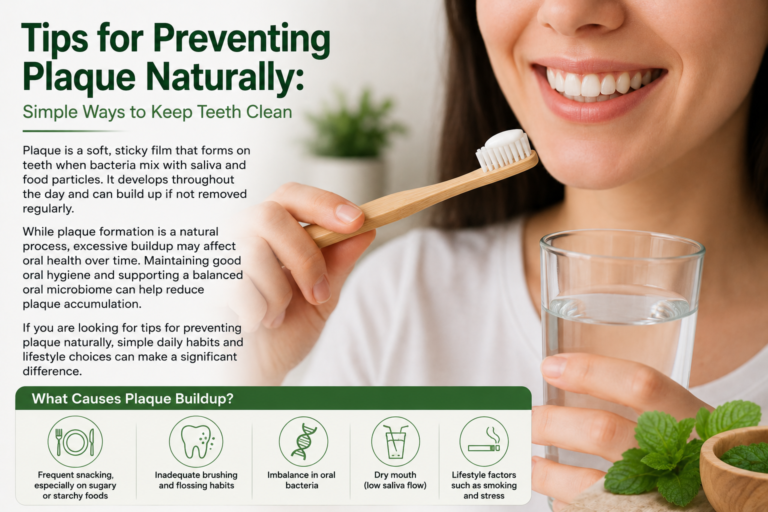
Many people think plaque is simply food stuck on teeth.
In reality, plaque is a living biofilm consisting of microorganisms embedded within a protective matrix.
As bacteria attach to tooth surfaces, they begin forming structured microbial communities that can become increasingly difficult to remove.
To understand this process in greater detail, read oral biofilm explained: how plaque forms on teeth and gums.
Research suggests that saliva influences how biofilms develop by affecting bacterial attachment, nutrient availability, and microbial competition.
Educational Tip
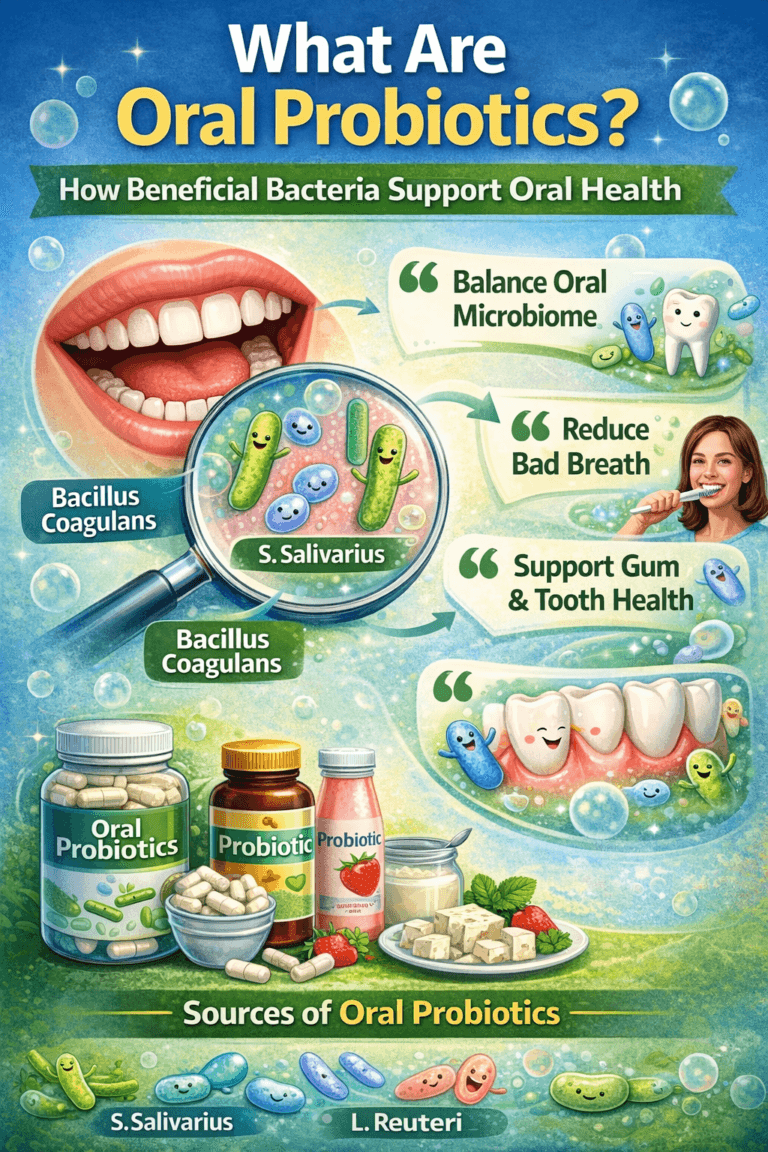
Individuals interested in supporting oral bacteria balance sometimes explore products such as oral probiotics, xylitol gum, or saliva-supporting lozenges. These approaches may help encourage a more favorable oral environment when combined with consistent oral hygiene practices.
What Happens When Saliva Production Decreases?
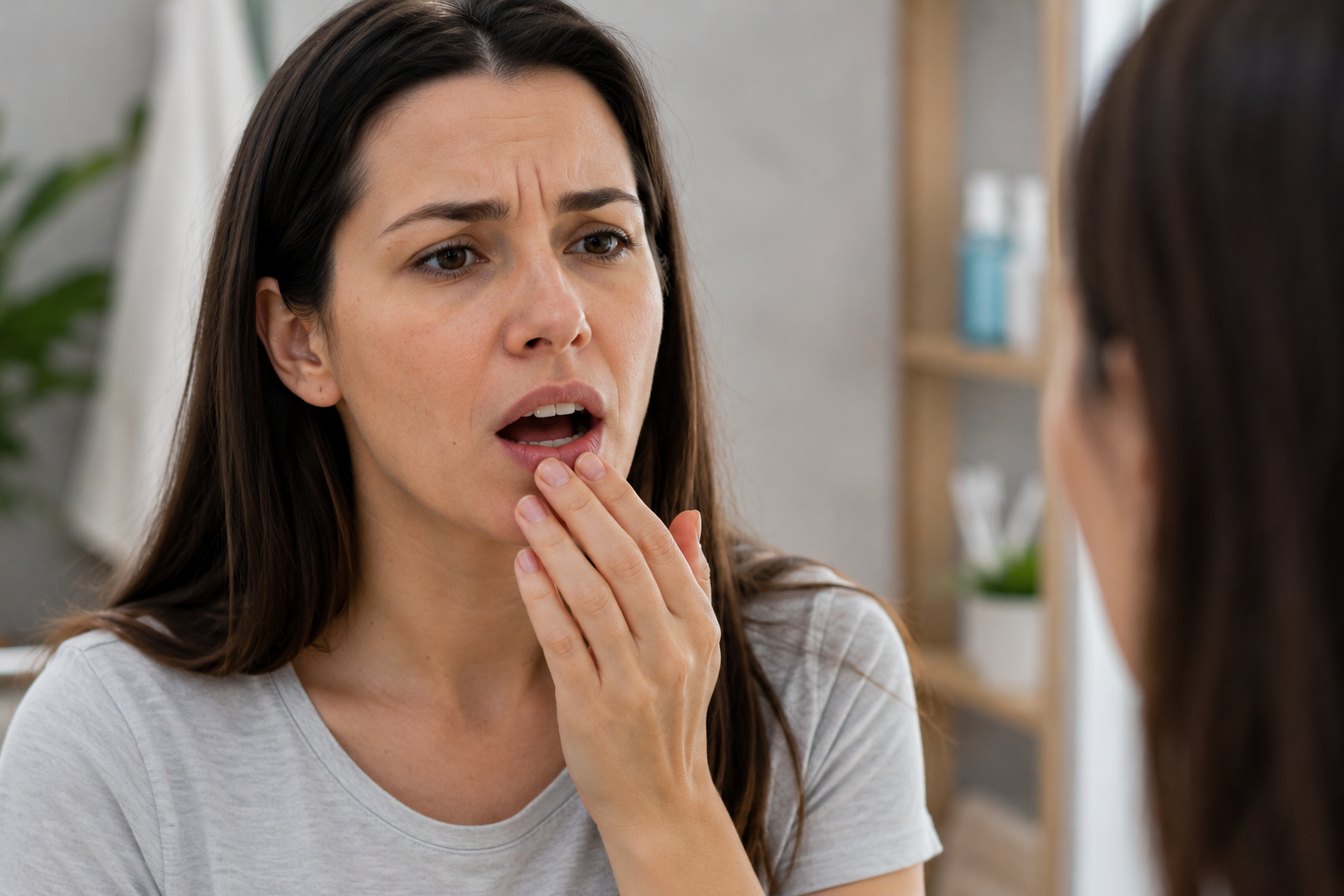
Reduced saliva flow is often referred to as xerostomia or dry mouth.
Many people experience occasional dry mouth, especially during sleep. However, chronic dry mouth may significantly alter oral conditions.
Increased Bacterial Imbalance
With less saliva available:
- Fewer bacteria are physically removed
- Acids remain longer on tooth surfaces
- Oral tissues become drier
- Microbial competition may change
These conditions can allow certain bacterial populations to become more dominant.
Faster Plaque Accumulation
A dry environment often favors greater plaque retention.
This may partially explain why some individuals notice plaque returning quickly even after brushing.
You may also find it helpful to learn why plaque builds up near the gumline, an area where plaque commonly accumulates due to reduced natural cleansing and difficult access during brushing.
Higher Risk of Bad Breath
One of the most common consequences of reduced saliva flow is persistent bad breath.
When saliva decreases:
- Food particles remain longer
- Bacterial waste products accumulate
- Sulfur-producing bacteria may become more active
This can contribute to unpleasant oral odors despite regular brushing.
Reduced Comfort
People with chronic dry mouth often report:
- Difficulty swallowing
- Changes in taste perception
- Oral soreness
- Increased sensitivity
Factors That Can Affect Saliva and Microbiome Balance
Numerous everyday factors influence both saliva production and microbial diversity.
Dehydration
Even mild dehydration may temporarily reduce saliva flow.
Many individuals do not realize that caffeine intake, intense exercise, hot weather, and inadequate water consumption can all contribute.
High-Sugar Diets
Frequent sugar exposure provides fuel for acid-producing bacteria.
Repeated acid production may alter microbial composition over time.
Smoking and Tobacco Use
Research consistently associates smoking with changes in oral microbial communities and reduced saliva quality.
Alcohol Consumption
Alcohol can contribute to oral dryness and may influence bacterial balance.
Certain Medications
Hundreds of medications list dry mouth as a side effect, including:
- Antihistamines
- Antidepressants
- Blood pressure medications
- Some sleep aids
Aging
While aging itself does not necessarily reduce saliva production, older adults are more likely to use medications associated with dry mouth.
Inadequate Oral Hygiene
Incomplete plaque removal may allow mature biofilms to persist and become increasingly difficult to manage.
Signs That Oral Microbiome Balance May Be Disrupted
Microbiome imbalance does not always produce obvious symptoms.
However, some common signs may include:
- Persistent bad breath
- Frequent dry mouth
- Rapid plaque accumulation
- Increased gum sensitivity
- Altered taste perception
- Recurring buildup near the gumline
These signs do not necessarily indicate disease, but they may suggest changes within the oral ecosystem that deserve attention.
Habits That May Support a Healthy Oral Microbiome
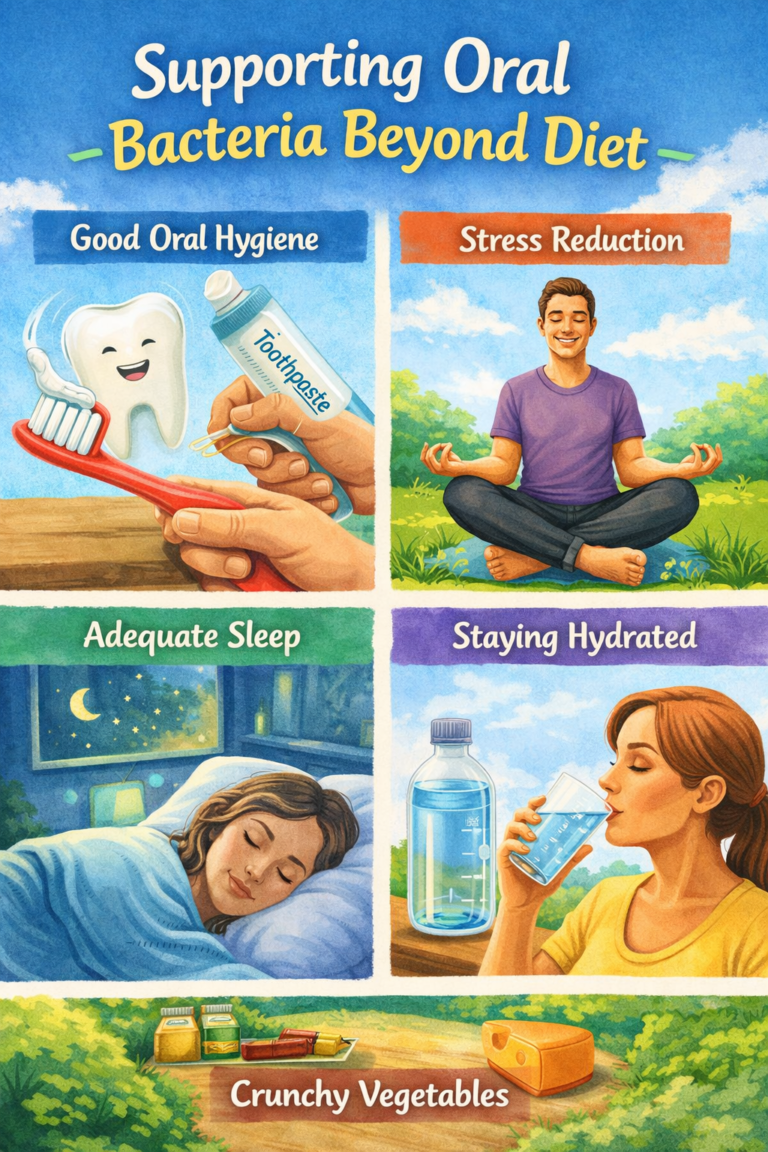
Supporting oral microbial balance often involves consistent daily habits rather than dramatic interventions.
Stay Hydrated
Adequate hydration helps maintain saliva production throughout the day.
Limit Frequent Sugar Exposure
Reducing constant snacking on sugary foods may help limit prolonged acid production.
Brush Thoroughly
Proper brushing removes plaque before biofilms become more established.
Clean Between Teeth Daily
Interdental cleaning addresses areas that toothbrushes frequently miss.
Avoid Tobacco Products
Avoiding tobacco may support both saliva function and microbial diversity.
Schedule Routine Dental Visits
Professional evaluations may help identify issues before they become more significant.
Educational CTA
Some people looking to support saliva flow and oral bacterial balance choose tools such as water flossers, oral probiotics, or xylitol-containing products. While these options are not substitutes for professional care, they may complement a well-rounded oral hygiene routine when used appropriately.
The Connection Between Saliva, Gums, and Teeth
Saliva and the oral microbiome influence more than just breath freshness.
They also affect the health of both gums and teeth.
Saliva Helps Protect Enamel
Saliva contains calcium and phosphate ions that support natural remineralization processes.
Without sufficient saliva, teeth may experience greater exposure to acidic conditions.
Microbiome Balance and Gum Health
The tissues surrounding the teeth are continuously exposed to oral bacteria.
A balanced microbial community may help support healthier interactions between bacteria and gum tissues.
If you are unsure what healthy gum tissue typically looks like, see what healthy gums usually look like.
Long-Term Oral Health Implications
Research increasingly suggests that oral health is influenced not only by the presence of bacteria but also by the balance among bacterial communities.
A diverse and stable microbiome, supported by adequate saliva production, may contribute to healthier conditions over time.
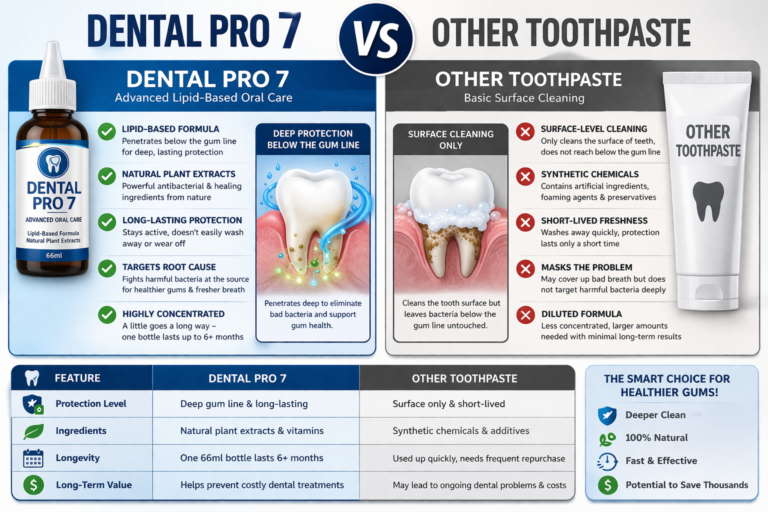
For readers interested in learning more about oral health support options, this comprehensive Dental Pro 7 review: benefits, ingredients, pros, cons, and real results provides additional educational information regarding products commonly discussed within oral wellness communities.
Dental Pro 7 Editorial Team – Saliva and Oral Microbiome Balance
The Dental Pro 7 Editorial Team reviews oral health, oral microbiome, gum care, and preventive dentistry topics to help provide accurate educational information.
Dental Pro 7 Editorial Policy
Content is reviewed for accuracy, clarity, transparency, and educational value using reputable health, dental, and scientific sources.
Last Updated Date
Last Updated: June 2026
This article was reviewed and updated to reflect current information regarding saliva production, oral microbiome balance, oral bacteria, and preventive oral health practices.
FAQ – Saliva and Oral Microbiome Balance
Can saliva really affect bad breath?
Yes. Saliva helps remove food particles and bacterial waste products. Reduced saliva flow may contribute to conditions associated with unpleasant breath.
What causes oral microbiome imbalance?
Common factors include dehydration, smoking, excessive sugar intake, poor oral hygiene, certain medications, and reduced saliva production.
Is plaque related to oral bacteria?
Yes. Plaque is primarily a bacterial biofilm that develops on tooth surfaces.
Does drinking more water improve oral microbiome balance?
Hydration may help support saliva production, which contributes to maintaining a healthier oral environment.
Are all oral bacteria harmful?
No. Many oral bacteria perform beneficial functions and contribute to ecosystem stability.
Can dry mouth increase plaque buildup?
Research suggests that reduced saliva flow may allow plaque to accumulate more easily because fewer bacteria and food particles are naturally washed away.
Key Takeaways
Saliva and the oral microbiome work together to maintain a dynamic and highly regulated oral environment.
Saliva helps control acidity, distribute nutrients, support enamel protection, and regulate bacterial populations. At the same time, a diverse oral microbiome contributes to ecosystem stability and may help support healthier gums, fresher breath, and cleaner teeth.
When saliva production declines or microbial balance becomes disrupted, plaque accumulation, bad breath, and oral discomfort may become more common. Fortunately, daily habits such as staying hydrated, limiting excess sugar, maintaining thorough oral hygiene, and scheduling regular dental care may help support the mouth’s natural balance.