
Oil Pulling Gum Health Benefits Explained
Oil Pulling Gum Health Benefits Explained: Coconut Oil Swishing and Oral Care Support
Oil Pulling Gum Health Benefits Explained: Last Updated: August 28, 2026 | 9 min read
Many people use coconut oil as part of a morning routine for fresher breath and cleaner-feeling teeth.
At the same time, online information often presents very different claims about oil pulling. Some sources describe it as a complete oral health solution, while others question its practical value.
A balanced view is more useful. Oil pulling may complement a regular oral hygiene routine for some people. Brushing with fluoride toothpaste, cleaning between teeth, and professional dental care remain the foundation of good oral health.
This guide explains oil pulling gum health benefits, how coconut oil is commonly used, what current evidence suggests, and how oil pulling can fit into a broader oral care routine.
People who experience bleeding during brushing should also pay attention to possible gum irritation or plaque buildup. Our guide on why gums bleed during brushing explains common causes and practical steps for better gum care.
What Is Oil Pulling?
Oil pulling is an oral hygiene practice traditionally associated with Ayurvedic wellness routines.
The practice involves gently swishing edible oil around the mouth for several minutes before spitting it out.
Coconut oil is a popular choice because of its mild taste and familiar texture. Sesame and sunflower oils have also been used in traditional oil-pulling practices.
A typical routine may involve:
- Using a small amount of edible oil
- Swishing gently around the mouth
- Practicing the routine for several minutes
- Spitting the oil into a trash container
- Brushing afterward
Beginners can start with a shorter session and gradually find a comfortable routine.
Support Your Daily Gum Care Routine
Oil pulling can complement daily oral hygiene when used as an additional practice. It provides an opportunity to focus on oral care while maintaining brushing, interdental cleaning, and regular dental visits.
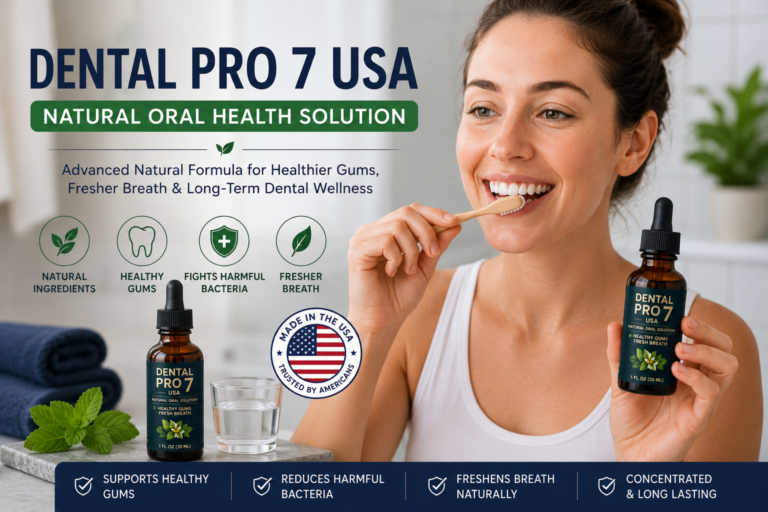
Dental Pro 7 can also be considered as a supportive option within a structured daily oral care routine.
Explore Dental Pro 7 for daily gum care support →
Why Is Coconut Oil Commonly Used for Oil Pulling?
Coconut oil has become one of the most popular oils for oil pulling. Its mild flavor and familiar texture make it relatively easy to incorporate into a daily routine.
Texture and Taste
Coconut oil has a mild flavor compared with some stronger-tasting oils. This can make swishing more comfortable for people who are new to oil pulling.
Lauric Acid Content
Coconut oil naturally contains lauric acid, a fatty acid that has attracted research interest because of its antimicrobial properties.
Laboratory findings do not automatically demonstrate the same effects in people. More research is needed to determine the practical oral health benefits of coconut oil swishing.
Comfort During Swishing
Oil pulling can feel unusual at first. Swishing for an extended period may also create jaw fatigue.
Starting with a shorter session can make the practice easier to maintain.
Potential Oil Pulling Gum Health Benefits
Research into oil pulling remains limited compared with established dental hygiene methods. Some studies have explored potential effects on plaque, gingival inflammation, oral bacteria, and breath odor.
Supporting Plaque Control
Some small studies suggest that oil pulling may help reduce plaque levels when included alongside regular oral hygiene.
This potential benefit should be viewed as complementary. Mechanical plaque removal through brushing and interdental cleaning remains essential.
Supporting Fresher Breath
Some people report fresher breath after oil pulling. Swishing may help loosen food particles and reduce some debris in the mouth.
The effect can be temporary and varies between individuals.
Encouraging Better Oral Hygiene Habits
Oil pulling may also encourage greater awareness of oral health.
People who establish a morning oral care routine may become more consistent with brushing, interdental cleaning, hydration, and monitoring their gums.
These combined habits can provide meaningful support for long-term oral health.
What Role Does Oil Pulling Have in a Complete Oral Care Routine?
Oil pulling works best as one part of a broader oral hygiene routine.
Healthy gums depend on several factors, including:
- Effective plaque removal
- Daily interdental cleaning
- Healthy dietary habits
- Adequate hydration
- Tongue cleaning
- Regular dental examinations
- Professional dental cleaning when needed
Oil pulling can complement these practices for people who enjoy the routine.
However, persistent gum bleeding, swelling, pain, loose teeth, or gum recession require professional dental evaluation.
Why Oil Pulling Does Not Remove Hardened Tartar
One common misconception is that oil pulling can remove hardened tartar.
Plaque is a soft bacterial biofilm that can be disrupted through regular brushing and interdental cleaning. Tartar forms when plaque becomes mineralized and firmly attaches to tooth surfaces.
Once tartar develops, professional dental instruments are generally required to remove it safely.
Readers interested in the professional approach can learn about professional tartar removal procedure benefits and safety.
This distinction helps set realistic expectations for natural oral care practices.
How to Practice Oil Pulling Safely
Basic Coconut Oil Method
A simple routine can include:
- Place a small amount of coconut oil in your mouth.
- Allow the oil to soften if it is solid.
- Swish gently around the mouth.
- Avoid swallowing the oil.
- Spit it into a trash container.
- Rinse your mouth.
- Brush your teeth afterward.
The exact amount and duration can vary according to personal comfort.
Start Slowly
Beginners may experience jaw fatigue during longer sessions.
Starting with a few minutes can help you determine whether the routine feels comfortable.
Avoid Swallowing the Oil
Oil used for swishing can collect oral debris. Spitting it out after the routine is therefore preferable to swallowing it.
Common Oil Pulling Mistakes to Avoid
Replacing Brushing and Flossing
Oil pulling should complement established oral hygiene practices. Brushing and interdental cleaning remain central to plaque control.
Swishing Too Aggressively
Forceful swishing can create jaw tension. Gentle movement is sufficient for a comfortable routine.
Expecting Immediate Results
Oral health improvements usually depend on consistent habits rather than a single technique.
A realistic approach focuses on maintaining the complete oral hygiene routine.
Oil Pulling and Gum Inflammation: What Does Research Suggest?
Research on oil pulling remains developing. Small studies have examined possible effects on plaque accumulation, gingival inflammation, oral bacteria, and breath odor.
The available evidence does not establish oil pulling as a replacement for conventional periodontal care.
Readers interested in natural oral care can also explore our Dental Pro 7 Ingredients Explained guide for information about ingredients used in a broader oral care approach.
Oil pulling may be useful as a personal hygiene habit when expectations remain realistic and established dental care continues.
Who Should Use Extra Caution With Oil Pulling?
Oil pulling may require additional caution for certain individuals.
Young children may have difficulty controlling the oil and may swallow it.
People with jaw discomfort may also find prolonged swishing uncomfortable.
Anyone experiencing significant dental pain, facial swelling, fever, or suspected dental infection should seek professional dental care promptly.
Oil Pulling Compared With Other Oral Care Practices
Oil pulling is one of several practices that can complement a consistent oral hygiene routine.
| Practice | Main purpose |
|---|---|
| Brushing | Removes plaque from tooth surfaces |
| Flossing | Cleans between teeth |
| Interdental brushes | Cleans larger interdental spaces |
| Tongue cleaning | Helps remove debris from the tongue |
| Oil pulling | Swishing practice that may complement oral hygiene |
| Professional cleaning | Removes hardened tartar and deposits |
A complete routine combines appropriate home care with professional dental maintenance.
Best Oil for Gum Health: What Should You Consider?
People interested in oil pulling often want to know which oil provides the best gum health support.
Coconut oil is widely used because of its mild flavor and texture. Sesame and sunflower oils are also traditional options.
Rather than focusing only on the type of oil, consider how the practice fits into your overall oral hygiene routine.
For a broader comparison of commonly used oils, explore our guide to the best oil for gum health.

Oil-Based Gum Treatment and Daily Oral Care
Oil-based products are sometimes discussed as supportive options for people interested in natural gum care.
The role of an oil-based product depends on its ingredients, intended use, and how it fits within a complete oral hygiene routine.
Readers looking specifically at oil-based approaches can explore our oil-based gum treatment guide for additional information.
Consistent brushing, interdental cleaning, and professional dental care remain important components of gum maintenance.
Essential Oils for Gum Health Support
Essential oils are concentrated plant extracts. They differ from edible carrier oils such as coconut or sesame oil.
Some essential oils are studied for antimicrobial or refreshing properties. Their concentration also means they require appropriate formulation and dilution for oral use.
For readers exploring this topic, our guide to essential oils for gum health support provides additional information about commonly discussed essential oils and their role in oral care.
Avoid applying concentrated essential oils directly to gum tissue unless a qualified dental or healthcare professional has specifically recommended the product and its method of use.
Building a Complete Daily Oral Care Routine
A sustainable oral care routine can remain simple.
Consider including:
- Brushing twice daily with fluoride toothpaste
- Cleaning between teeth every day
- Gently cleaning the tongue
- Drinking enough water
- Limiting frequent sugary snacks
- Maintaining regular dental examinations
- Using supportive oral care products according to their intended purpose
Oil pulling can be included as an optional practice for people who find it comfortable and useful.
The foundation remains consistent plaque control.
When Should You See a Dentist?
Arrange a dental examination when you experience:
- Persistent gum bleeding
- Gum swelling
- Gum recession
- Tooth mobility
- Ongoing dental pain
- Persistent bad breath
- Facial swelling
- Signs of infection
Professional evaluation can identify the cause and guide appropriate treatment.
Conclusion – Oil Pulling Gum Health Benefits
The potential oil pulling gum health benefits are best understood as supportive rather than curative.
Coconut oil swishing may complement a daily oral hygiene routine and may provide benefits related to plaque control, oral freshness, or increased attention to gum care.
However, brushing, interdental cleaning, professional dental cleaning, and regular dental examinations remain the foundation of effective oral health maintenance.
If you enjoy oil pulling, use it as part of a broader routine with realistic expectations.
Dental Pro 7 can also be considered as a supportive option within a structured daily oral care routine.
Explore Dental Pro 7 for daily gum care support →
Frequently Asked Questions – Oil Pulling Gum Health Benefits
Does oil pulling help support gum health?
Oil pulling may complement oral hygiene and may support plaque control in some people. Current research remains limited, so it should be viewed as an additional practice rather than a primary treatment.
What oil is best for oil pulling?
Coconut oil is one of the most popular choices because of its mild taste and texture. Sesame and sunflower oils are also traditionally used.
Can oil pulling replace brushing and flossing?
Oil pulling works best as an additional oral hygiene practice. Brushing and cleaning between the teeth remain essential for daily plaque control.
Can oil pulling remove tartar?
Oil pulling does not provide a reliable method for removing hardened tartar. Professional dental cleaning is the appropriate approach for established tartar deposits.
How long should I practice oil pulling?
There is no universally established duration that guarantees better results. Beginners can start with a short, comfortable session and maintain gentle swishing.
Can oil pulling cure gum disease?
Oil pulling should not be presented as a cure for gum disease. People with persistent gum inflammation or periodontal symptoms should receive professional dental evaluation.
Are essential oils the same as coconut oil?
No. Coconut oil is an edible carrier oil, while essential oils are concentrated plant extracts. Essential oils require appropriate dilution and formulation for oral use.
Research and External References
For additional evidence-based oral health information, readers can consult:
- American Dental Association (ADA) Oral Health Topics
- National Institute of Dental and Craniofacial Research (NIDCR)
- Mayo Clinic oral health resources
- Centers for Disease Control and Prevention (CDC) Oral Health
Dental Pro 7 Editorial Team
The Dental Pro 7 Editorial Team researches oral hygiene, preventive dentistry, oral microbiome topics, nutrition, and emerging oral wellness practices. We develop our content using scientific literature and established health resources to provide balanced educational information.
Dental Pro 7 Editorial Policy
Our Dental Pro 7 editorial standards focus on accuracy, transparency, source review, and educational value. We review and update our articles regularly whenever relevant evidence or product information changes.