Gum Disease Causes, Symptoms, Treatment, and Prevention Guide
Gum Disease Causes, Symptoms, Treatment, and Prevention Guide
Gum Disease Causes: Last Updated: August 21, 2026. ⏱️ Min Read: 14 min read
Introduction
Gum disease is one of the most common oral health conditions, yet many people do not recognize its early warning signs. Mild bleeding while brushing, persistent bad breath, tender gums, or slight swelling often develop gradually and may seem insignificant at first. Because these symptoms usually appear without severe pain, many people delay taking action until the condition becomes more noticeable.
Healthy gums provide essential support for your teeth while protecting the tissues beneath the gumline. When plaque accumulates and remains on the teeth, harmful bacteria can irritate the surrounding gum tissue and trigger inflammation. Without consistent oral hygiene and professional care when needed, early gum irritation may gradually progress into more advanced periodontal disease.
This guide explains the most common causes of gum disease, early symptoms to watch for, available treatment options, and practical daily habits that support healthier gums. It also highlights when professional dental care becomes important and why prevention remains the most effective long-term strategy.
What Is Gum Disease?
Gum disease, also known as periodontal disease, is an inflammatory condition that affects the tissues supporting the teeth. It usually begins with gingivitis, the earliest stage of gum inflammation. During this stage, the gums may become red, swollen, or bleed while brushing or flossing, but permanent damage to the supporting bone has not yet occurred.
If plaque and bacteria continue accumulating around the gumline, inflammation may spread deeper below the gums and develop into periodontitis. At this stage, the body responds to ongoing bacterial irritation by breaking down the tissues and bone that hold the teeth in place. Left untreated, advanced gum disease may eventually contribute to loose teeth or tooth loss.
One important characteristic of gum disease is its slow progression. Most people do not develop serious symptoms overnight. Instead, everyday habits—such as skipping flossing, inconsistent brushing, smoking, dry mouth, or delaying routine dental cleanings—gradually increase the likelihood of inflammation over months or even years.
According to the American Dental Association, plaque accumulation along the gumline remains one of the leading contributors to gingivitis and periodontal disease.
Common Symptoms of Gum Disease
Symptoms vary from person to person, and they rarely appear all at once. Many people first notice only one or two subtle changes before additional symptoms develop.
Support Your Gum Health Before Symptoms Progress
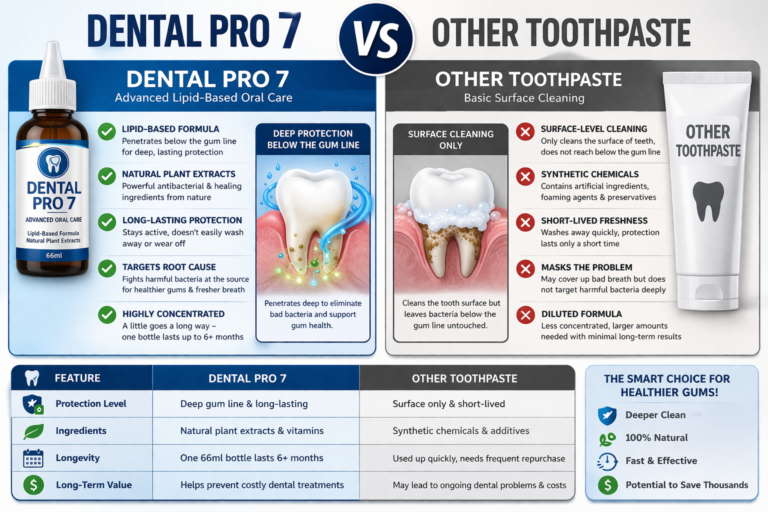
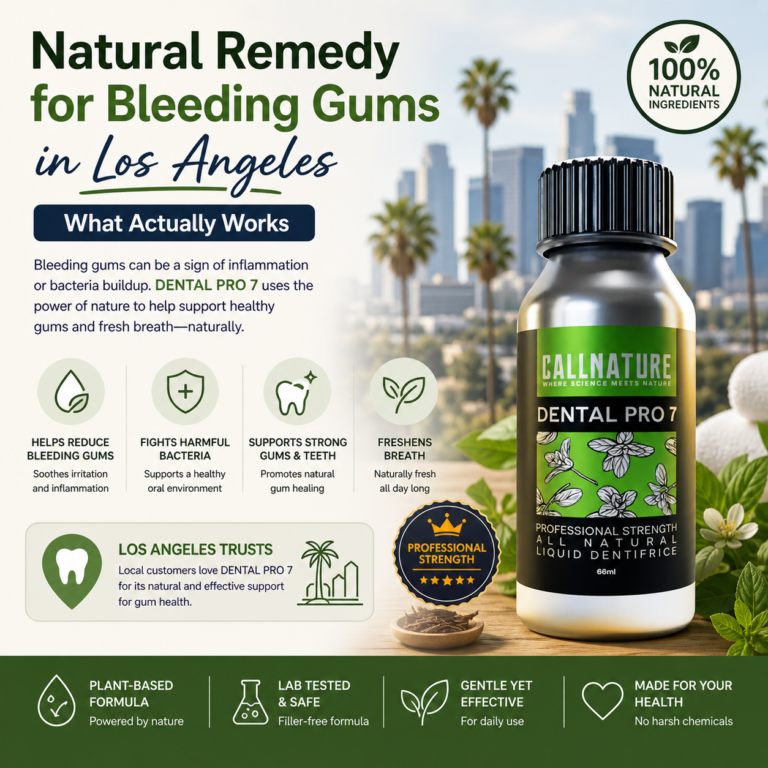
Healthy gums require more than brushing alone. Dental Pro 7 combines probiotics and natural ingredients that may help support a balanced oral microbiome alongside your daily oral hygiene routine.
Want Healthier Gums Every Day?
Small daily habits matter most. See how Dental Pro 7 may complement brushing, flossing, and consistent oral hygiene.
👉 Learn More About Dental Pro 7
Readers interested in probiotic support can also explore our Dental Pro 7 gum disease review for a closer look at its role in daily gum care.
Bleeding During Brushing or Flossing
Healthy gums normally do not bleed during routine oral hygiene. While mild bleeding may occur temporarily after restarting flossing following a long break, persistent bleeding often signals ongoing irritation or inflammation.
If bleeding continues despite improving your oral hygiene routine, it is important to identify the underlying cause. Our Bleeding Gums Treatment Guide explains common reasons gums bleed, practical home care strategies, and situations that require professional dental evaluation.
Persistent Bad Breath
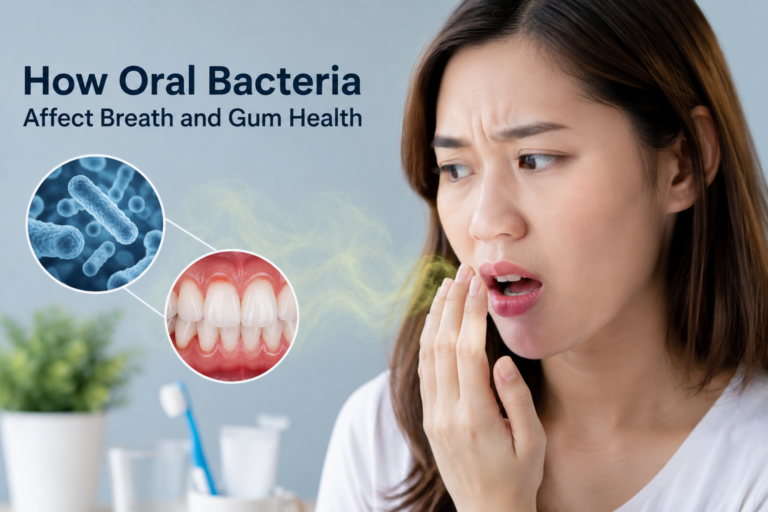
Bad breath that returns shortly after brushing may indicate bacterial buildup around the gumline or inside developing periodontal pockets. Although many factors can contribute to halitosis, persistent bad breath frequently accompanies chronic gum inflammation.
People experiencing recurring halitosis may also want to explore how Dental Pro 7 for Bad Breath supports a balanced oral microbiome alongside regular brushing and flossing.
Red or Swollen Gums
Healthy gum tissue usually appears firm and fits closely around each tooth. Inflamed gums may look darker, shinier, softer, or swollen, especially near areas where plaque tends to accumulate.
Gum Recession
As inflammation progresses, the gumline may slowly pull away from the teeth, exposing more of the tooth surface. Gum recession can increase tooth sensitivity and make plaque removal more challenging if left untreated.
Loose Teeth or Changes While Chewing
In more advanced stages, periodontal disease may weaken the structures supporting the teeth. Some people notice that their bite feels slightly different or that certain teeth move more than usual during chewing.
Because early gum disease often causes little discomfort, regular dental examinations remain one of the best ways to detect problems before they become more serious.
What Causes Gum Disease?
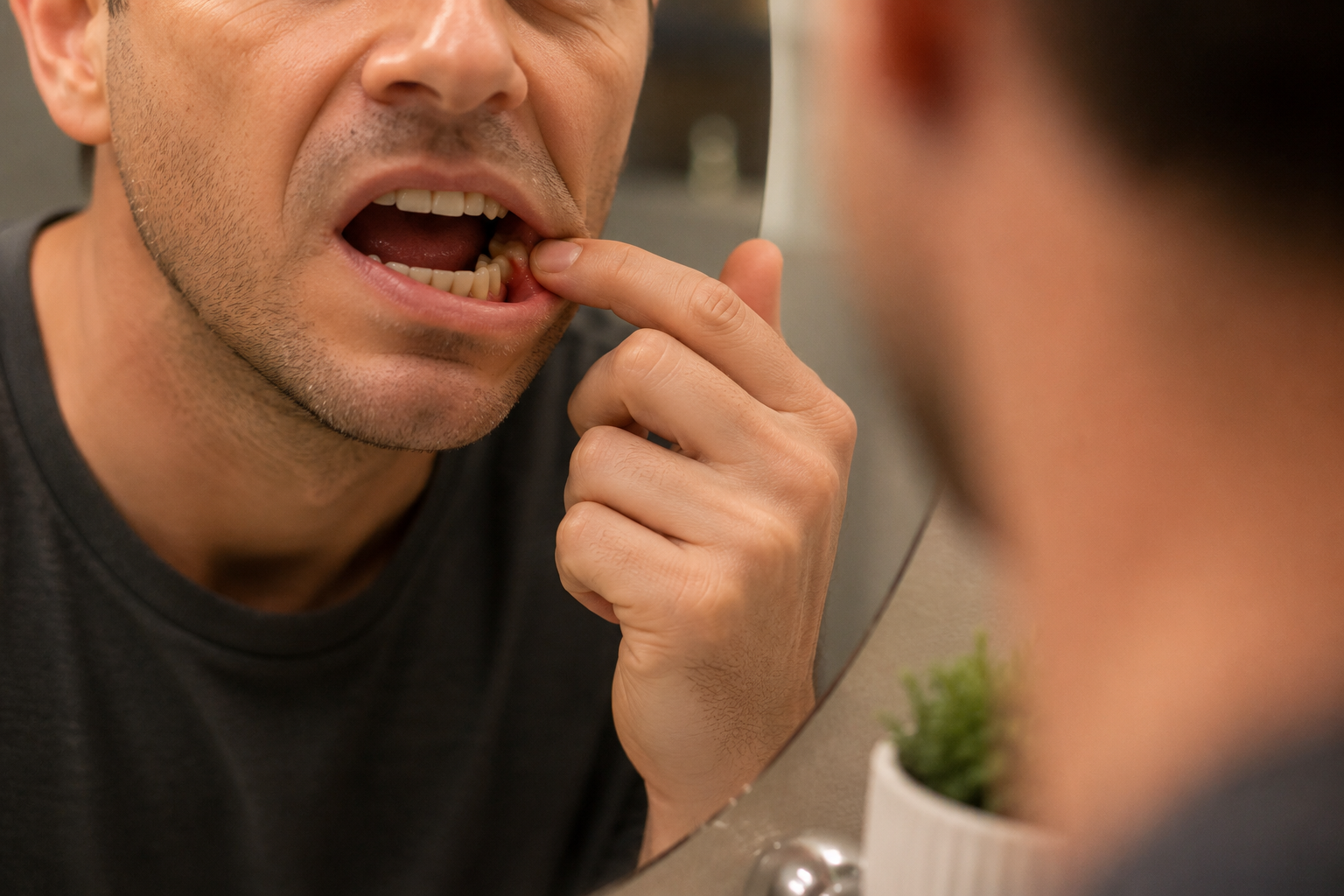
Although several factors influence periodontal health, plaque accumulation remains the primary cause of gum disease.
Plaque Buildup Along the Gumline
Plaque is a sticky film made of bacteria, saliva proteins, and food particles that naturally forms on teeth throughout the day. Without regular brushing and interdental cleaning, plaque remains near the gumline, where bacteria continue irritating surrounding tissues.
Over time, plaque may harden into tartar, which cannot be removed by brushing alone. Professional dental cleaning is usually necessary to eliminate these hardened deposits.
Inadequate Cleaning Between Teeth
A toothbrush cleans only the exposed surfaces of the teeth. Areas between teeth often trap plaque and food debris, making them common sites for gum inflammation.
Daily flossing, interdental brushes, or water flossers help remove plaque from these difficult-to-reach spaces and reduce the risk of developing gingivitis.
Smoking and Tobacco Use
Smoking affects blood circulation within gum tissue and slows the body’s natural healing response. Because nicotine also reduces visible bleeding, smokers sometimes underestimate the severity of developing gum disease.
Dry Mouth
Saliva helps wash away food particles and supports a balanced oral environment. Reduced saliva production allows plaque to accumulate more easily and may increase the risk of gum irritation.
Current research increasingly recognizes the importance of maintaining bacterial balance throughout the mouth. Readers interested in this topic can learn more in our guide to Oral Microbiome and Dental Health, which explains how microbial diversity contributes to healthier gums.
Lifestyle Factors
Daily habits also influence periodontal health. Poor nutrition, chronic stress, inadequate sleep, dehydration, and inconsistent oral hygiene may all increase susceptibility to gum inflammation over time.
Practical Ways to Support Healthy Gums Every Day
Successful gum care does not require complicated routines. Consistent daily habits usually produce better long-term results than occasional intensive cleaning.
Brush Gently and Consistently
Many people scrub harder after noticing bleeding gums, believing stronger brushing removes more plaque. In reality, excessive pressure may further irritate already sensitive tissues.
Using a soft-bristled toothbrush with gentle circular movements helps remove plaque effectively while protecting the gums. Replacing worn toothbrushes regularly also improves cleaning efficiency.
Clean Between Teeth Every Day
Plaque frequently accumulates where toothbrush bristles cannot reach. Daily flossing or interdental cleaning plays an important role in preventing bacterial buildup between teeth and along the gumline.
Prioritize Nighttime Oral Hygiene
Saliva production naturally decreases during sleep. Removing plaque before bedtime limits overnight bacterial activity and helps create a healthier environment for gum tissue.
Support Gum Health Through Nutrition
A balanced diet supports healthy oral tissues as well as overall health. Foods rich in vitamin C, fiber, and water encourage saliva production and provide nutrients that help maintain healthy gums. Reducing frequent sugary snacks may also help limit bacterial growth throughout the day.
Consider Complementary Oral Care Approaches
Many people also explore additional ways to support daily oral hygiene, including botanical ingredients and microbiome-focused oral care products. Readers interested in learning how oral probiotics work can explore our guide What Are Oral Probiotics?, while those comparing ingredients can review Dental Pro 7 Ingredients Explained for a detailed overview of the product’s formulation.
Professional and Home Treatment Options for Gum Disease
The most appropriate treatment depends on the severity of gum disease. Early gingivitis often improves with better oral hygiene and professional dental cleaning, while advanced periodontitis may require more specialized treatment.
Readers looking for a location-focused overview can also explore the best gum disease treatment in Chicago guide for practical treatment and daily care considerations.
Professional Dental Cleaning
Professional cleaning removes plaque and tartar from areas that regular brushing and flossing cannot reach. Removing these deposits helps reduce bacterial irritation and creates a healthier environment for the gums to recover.
Scaling and Root Planing
Dentists may recommend scaling and root planing when inflammation extends below the gumline. This deep-cleaning procedure removes bacterial deposits from tooth roots and helps reduce periodontal pocket depth.
Managing Contributing Health Factors
Some medical conditions, including diabetes and dry mouth, may increase the risk of gum disease. Improving overall health, staying hydrated, and following medical advice can support better periodontal outcomes alongside regular dental care.
When Should You See a Dentist?
Daily oral hygiene plays an essential role in prevention, but some symptoms require professional evaluation.
Consider scheduling a dental examination if you notice:
- Bleeding gums that continue for more than two weeks.
- Persistent swelling or tenderness.
- Gum recession exposing the tooth roots.
- Loose teeth or changes in your bite.
- Persistent bad breath that does not improve with daily oral hygiene.
- Pus or discharge around the gums.
Early diagnosis often allows simpler treatment and helps prevent long-term damage to the tissues supporting the teeth.
If your primary concern is frequent gum bleeding, our Bleeding Gums Treatment Guide provides additional information about possible causes, home care strategies, and when professional care becomes necessary.
Supporting Long-Term Gum Health Naturally
Treating gum disease involves more than resolving current symptoms. Long-term success depends on maintaining healthy habits that reduce plaque accumulation and support a balanced oral environment.
Researchers increasingly recognize that oral health depends on the interaction between daily hygiene, saliva, nutrition, and the oral microbiome. Instead of trying to eliminate all bacteria, modern preventive dentistry focuses on maintaining a healthier balance between beneficial and harmful microorganisms.
Readers interested in this growing area of research can explore our guide to Oral Microbiome and Dental Health, which explains how bacterial diversity contributes to healthier gums and fresher breath.
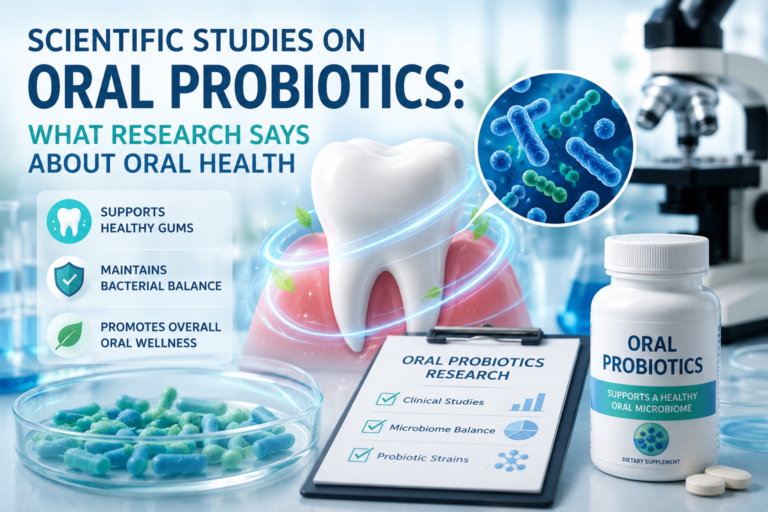
Some people also include oral probiotics as part of their daily oral care routine. These products do not replace brushing, flossing, or professional dental care, but they may complement healthy habits by supporting beneficial bacteria within the mouth. If you are new to this topic, our article What Are Oral Probiotics? explains how these supplements work and who may benefit from them.
Readers interested in probiotic support can also explore our Dental Pro 7 gum disease review for a closer look at its role in daily gum care.

Natural Approaches and Mouthwash Support for Daily Gum Care
Natural oral care practices may help support gum comfort when combined with regular dental hygiene. However, they should complement—not replace—professional treatment when symptoms persist.
Readers comparing rinse options can explore our guide to the best natural mouthwash for gum disease support and learn how mouthwash may complement daily plaque control.
Individuals looking for conservative self-care strategies may also benefit from reading our Gum Infection Home Remedy guide before deciding when professional dental treatment becomes necessary.
For additional supportive strategies, read our natural remedies for periodontal disease guide covering practical approaches that may complement consistent oral hygiene and professional care.
Examples include:
- Drinking enough water to support saliva production.
- Eating a balanced diet rich in vitamins and fiber.
- Reducing tobacco use whenever possible.
- Maintaining consistent brushing and interdental cleaning.
- Following routine professional dental checkups.
Many botanical ingredients have also been used in traditional oral care. Readers interested in these ingredients can explore our guide to the Best Essential Oils for Gum Health Support, which discusses commonly used plant extracts and their traditional roles in maintaining oral hygiene.
Before adding any probiotic or botanical supplement to your routine, review our Dental Pro 7 Side Effects Review and Safety Guide to better understand ingredient safety, appropriate use, and practical precautions.
Choosing Evidence-Based Oral Care Products
The growing interest in oral microbiome support has increased attention toward probiotic-based oral care products. Understanding the ingredients, supporting research, and realistic expectations can help consumers make informed decisions.
Our Dental Pro 7 Ingredients Explained article provides a detailed breakdown of the formula, including probiotics, botanical ingredients, vitamins, and other supporting compounds.
For readers comparing the product as a whole, the Dental Pro 7 Review: Benefits, Ingredients, Pros, Cons & Real Results summarizes formulation details, reported benefits, and practical considerations based on publicly available information.
Those looking for a broader evidence-based evaluation can also read the Dental Pro 7 Comprehensive Review of Benefits, Ingredients, and Scientific Evidence, which examines the formulation from a wider educational perspective.
Key Takeaways – Gum disease causes
Gum disease develops gradually, making early recognition especially important. Bleeding during brushing, swollen gums, persistent bad breath, and gum recession often appear before more advanced periodontal damage occurs.
Although plaque remains the primary cause, other factors—including smoking, dry mouth, poor nutrition, inconsistent oral hygiene, and lifestyle habits—can also influence gum health.
Most importantly, prevention remains easier than treatment. Consistent brushing, daily interdental cleaning, balanced nutrition, and regular dental examinations continue to provide the strongest foundation for maintaining healthy gums throughout life.
Support Your Gum Health Naturally
Healthy gums begin with consistent daily care. Discover how Dental Pro 7 fits into a balanced oral hygiene routine.
👉 Explore Dental Pro 7
Frequently Asked Questions – Gum disease causes
Can gum disease improve with better oral hygiene?
Yes. Early-stage gingivitis often improves when plaque removal becomes more consistent through regular brushing, flossing, and professional dental cleaning.
Is bleeding while brushing always a sign of gum disease?
Not always. Temporary bleeding may occur after restarting flossing, but persistent bleeding commonly indicates gum irritation that deserves further attention.
Can gum disease develop without pain?
Yes. Many people experience few or no symptoms during the early stages, making regular dental examinations especially valuable.
Does smoking increase the risk of gum disease?
Yes. Smoking affects circulation within the gums, slows healing, and may hide early signs such as bleeding, allowing inflammation to progress unnoticed.
Can oral probiotics replace brushing and flossing?
No. Oral probiotics complement a healthy oral hygiene routine but cannot replace daily brushing, interdental cleaning, or routine dental visits.
How does the oral microbiome influence gum health?
A balanced oral microbiome helps maintain healthier bacterial communities inside the mouth. Researchers continue studying how this balance influences plaque formation and gum inflammation.
When should I see a dentist for gum problems?
Persistent bleeding, swelling, loose teeth, gum recession, pus, or continuing discomfort should always be evaluated by a dental professional.
Can lifestyle habits affect gum health?
Yes. Nutrition, hydration, stress management, sleep quality, smoking, and consistent oral hygiene all influence long-term periodontal health.
About the Dental Pro 7 Editorial Team – Gum disease causes
The Dental Pro 7 Editorial Team creates educational content focused on preventive oral care, gum health, oral hygiene, and evidence-based dental information. Articles are developed using publicly available clinical resources, recognized dental organizations, and current oral health research to help readers make informed decisions about maintaining healthier teeth and gums.
Disclaimer – Gum disease causes
This article is intended for educational and informational purposes only and does not replace professional medical or dental advice.
Anyone experiencing persistent bleeding gums, severe pain, loose teeth, swelling, or other concerning symptoms should seek evaluation from a licensed dentist or healthcare professional. Treatment recommendations vary according to individual oral health conditions and should always be personalized by qualified providers.