

How to Reduce Gum Inflammation Naturally — Science-Backed Home Strategies
February 13, 2026 | by syukr.adiwirya
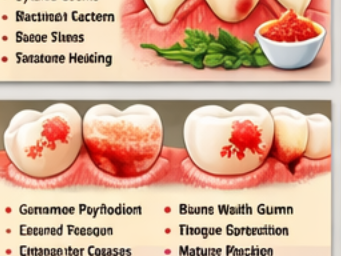
Reduce Gum Inflammation Naturally: Gum inflammation is one of the earliest and most common warning signs of oral health imbalance. Symptoms such as redness, swelling, tenderness, and bleeding during brushing usually indicate gingivitis — the reversible early stage of gum disease. Many people search for how to reduce gum inflammation naturally to support healing before the condition progresses.
Dental public health authorities — including the National Institute of Dental and Craniofacial Research (nidcr.nih.gov) and the Centers for Disease Control and Prevention (cdc.gov) — confirm that gum inflammation is primarily driven by bacterial plaque accumulation at the gumline. The most effective solution is consistent plaque removal. However, natural supportive methods can help reduce inflammatory stress and improve gum comfort when combined with proper oral hygiene.
This guide explains how to reduce gum inflammation naturally using evidence-aligned methods supported by dental education (.edu), nonprofit dental organizations (.org), and government health sources (.gov).
What Causes Gum Inflammation
University dental programs (.edu) define gum inflammation (gingivitis) as a biological response to plaque biofilm.
Primary drivers include:
- plaque bacteria toxins
- immune response activation
- poor gumline cleaning
- sugar-rich diet
- dry mouth
- tobacco use
Inflamed gums are not just irritated — they are reacting to bacterial challenge.
Reducing inflammation requires both bacterial control and tissue support.
How to Reduce Gum Inflammation Naturally — First Priority Plaque Removal
All major dental authorities (.gov and .org) agree:
Mechanical plaque removal is the foundation of inflammation control.
The American Dental Association (ada.org) emphasizes daily plaque disruption as the most effective gingivitis prevention strategy.
Correct brushing method:
- brush twice daily minimum
- soft bristles only
- angle toward gumline
- gentle circular motion
- two full minutes
Aggressive brushing increases inflammation — gentle precision reduces it.
Clean Between Teeth Every Day
Dental hygiene education programs (.edu) strongly emphasize interdental cleaning for inflammation control.
Why it matters:
- inflammation often starts between teeth
- brushing misses these areas
- bacteria mature undisturbed
Options:
- floss
- interdental brushes
- water flossers
Daily interdental cleaning significantly reduces gingival inflammation markers.
Salt Water Rinse — Clinically Recommended Support
Dental schools and clinical aftercare guidelines (.edu) frequently recommend salt water rinses for inflamed gum tissue.
Benefits:
- osmotic swelling reduction
- bacterial environment control
- tissue comfort support
- low irritation risk
Preparation:
- ½ teaspoon salt
- warm water
- rinse 30–45 seconds
- repeat 2–3 times daily
One of the safest natural anti-inflammatory mouth supports.
Baking Soda Rinse for Acid Reduction
Oral biology education (.edu) explains that acidic environments favor inflammatory bacteria. Baking soda helps neutralize acids.
Potential benefits:
- raises oral pH
- reduces acid stress
- mild antibacterial effect
- odor reduction
Use:
- small pinch baking soda
- warm water rinse
- once daily or occasional use
Do not overuse — supportive only.
How to Reduce Gum Inflammation Naturally With Herbal Rinses
Integrative dental and herbal medicine programs (.edu / .org) document anti-inflammatory properties in several herbs.
Research indexed at ncbi.nlm.nih.gov reports anti-inflammatory and antimicrobial compounds in:
- chamomile
- sage
- calendula
- green tea
- myrrh
Herbal rinse method:
- brew strong tea
- cool fully
- rinse 30 seconds
- discard remainder
- prepare fresh daily
Gentle and supportive for irritated gums.
Essential Oil Antimicrobial Support (Diluted)
Essential oil mouth rinse research (.gov indexed studies) shows certain plant compounds reduce oral bacterial load.
Most studied:
- thymol
- eugenol
- menthol
- eucalyptol
These appear in antimicrobial rinse formulations referenced by professional dental organizations (.org).
Important: Essential oils must always be diluted before oral use.
Oil Pulling and Inflammation Markers
Controlled trials indexed in government research databases (.gov via PubMed) report that oil pulling may reduce plaque and gingival index scores.
Method:
- coconut or sesame oil
- swish 5–10 minutes
- spit
- rinse
- brush
Possible mechanisms:
- mechanical debris removal
- lipid-microbe interaction
- biofilm disruption
Supportive — not primary therapy.
Oil-Based Gumline Botanical Application
Some natural gum care systems use oil-based gum concentrates applied directly along the gum margin rather than quick rinsing.
This approach aims to:
- extend botanical contact time
- reduce saliva dilution
- target inflammation zone
- deliver lipid-soluble plant compounds
Educational product information at dentalpro7.com describes oil-based gum concentrate approaches designed for localized gumline support.
This is adjunctive care — not a treatment replacement.
Nutrition to Reduce Gum Inflammation Naturally
Public health nutrition sources (.gov) confirm inflammation is influenced by diet.
Increase Vitamin C Intake
Vitamin C supports collagen and gum tissue repair.
Low vitamin C intake is associated with bleeding gums in nutrition research (.gov).
Sources:
- citrus
- kiwi
- bell peppers
- strawberries
Increase Omega-3 Fats
University nutrition research (.edu) shows omega-3 fats help regulate inflammatory pathways.
Sources:
- salmon
- sardines
- flaxseed
- walnuts
Add Polyphenol Foods
Polyphenols studied in university research (.edu) show antimicrobial and anti-inflammatory activity.
Sources:
- green tea
- berries
- cocoa (unsweetened)
- olives
Hydration and Saliva — Natural Anti-Inflammatory Defense
Dental education programs (.edu) identify saliva as a major protective factor.
Saliva helps:
- wash away bacteria
- buffer acids
- deliver antimicrobial proteins
- regulate pH
Support saliva by:
- drinking water frequently
- chewing xylitol gum
- avoiding tobacco
- managing dry mouth
Dry mouth increases inflammation risk.
Xylitol for Bacterial and Inflammation Control
Dental research (.gov and .edu indexed) shows xylitol may reduce harmful bacterial activity.
Benefits:
- lowers acid production
- reduces plaque adhesion
- supports microbial balance
Use after meals:
- xylitol gum
- xylitol lozenges
Choose high-xylitol products.
Gentle Gum Massage
Dental hygiene instruction (.edu) sometimes includes gentle gum stimulation.
Possible benefits:
- improves circulation
- supports tissue response
- increases gum awareness
Method:
- clean finger
- light circular motion
- along gumline
- no pressure
Stop if irritation increases.
Habits That Increase Gum Inflammation
Professional dental organizations (.org) warn that several habits worsen inflammation:
Avoid:
- smoking
- vaping
- aggressive brushing
- frequent sugar intake
- constant snacking
- skipped cleanings
Removing triggers is as important as adding remedies.
What Natural Methods Cannot Fix
According to cdc.gov and ada.org, natural methods cannot:
- remove tartar
- treat deep periodontal pockets
- reverse bone loss
- cure periodontitis
They help early inflammation — not advanced disease.
When to Seek Professional Care
Get dental evaluation if inflammation includes:
- ongoing bleeding
- gum recession
- loose teeth
- pus
- severe swelling
- persistent pain
Early treatment prevents progression.
Daily Natural Anti-Inflammation Gum Routine
Morning:
- gentle gumline brushing
- floss/interdental clean
- herbal or salt rinse
Midday:
- water rinse after meals
- xylitol gum
Evening:
- brush carefully
- interdental clean
- salt rinse
- optional oil-based gum support
Consistency reduces inflammation load.
How to Reduce Gum Inflammation Naturally — Key Takeaways
Effective natural inflammation reduction includes:
✔ daily plaque removal
✔ interdental cleaning
✔ salt rinses
✔ herbal support
✔ diluted essential oils
✔ oil pulling
✔ oil-based gumline care
✔ vitamin C nutrition
✔ omega-3 intake
✔ hydration and saliva support
All supported by dental education and public health guidance.
✅ FAQ – Reduce Gum Inflammation Naturally With Daily Methods
Q: Can gum inflammation go away naturally?
A: Early gingivitis often improves with consistent plaque removal and supportive care.
Q: How fast can gum inflammation improve?
A: Mild cases often improve within two to three weeks of better hygiene.
Q: Are herbal rinses effective for inflamed gums?
A: Some herbs show anti-inflammatory effects and can support gum comfort.
 Gum Health Support Option — Dental Pro 7
 Gum Health Support Option — Dental Pro 7
If you are building a daily natural gum care routine, some people prefer adding an oil-based gum concentrate for longer contact time along the gumline — instead of quick rinse exposure.
Dental Pro 7 is a botanical gum concentrate designed to support gumline care using oil-based delivery and plant-derived compounds.
 Oil-based gum concentrate format
Targets gumline contact area
Botanical ingredient approach
No water dilution required
Easy to apply as part of daily routine
Many natural oral care routines include brushing, interdental cleaning, and optional gum concentrate support.
Checkout Dental Pro 7 Here

Other Articles: Kill Gum Bacteria Naturally
RELATED POSTS
View all

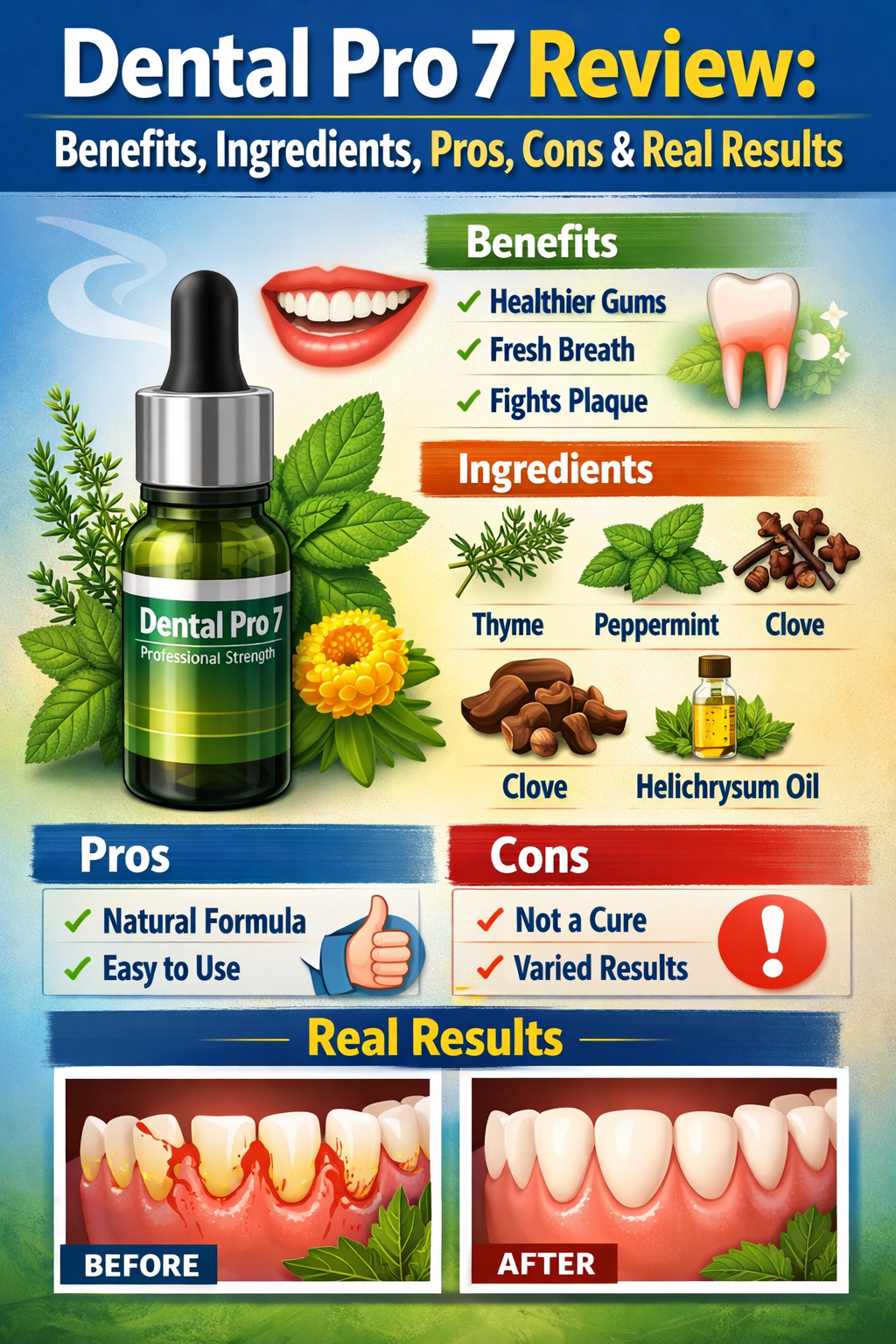
Dental Pro 7 Review: benefits, ingredients, pros, cons real results
March 14, 2026 | by syukr.adiwirya