
Natural Gum Treatment Methods
Natural Gum Treatment Methods for Supporting Healthier Gums
Natural Gum Treatment Methods: Gum problems rarely begin with dramatic symptoms. In daily life, the first signs are often easy to ignore: mild bleeding while brushing, tenderness near the back molars, gums that feel swollen after waking up, or breath that still feels unpleasant shortly after oral care.
Because these changes can come and go, gum irritation is frequently treated as a temporary inconvenience rather than a signal that the mouth may need more consistent care.
Natural gum treatment methods are usually most helpful when viewed as supportive daily habits instead of instant solutions. The goal is not perfection overnight. It is creating a healthier oral environment that supports the gums more consistently through hygiene, hydration, nutrition, and routine maintenance.
This guide explains realistic approaches that may help support gum comfort naturally while also clarifying when professional dental care becomes important.
Why Gum Health Is Closely Connected to Daily Habits
The gums react quickly to what happens inside the mouth each day.
Plaque buildup, dry mouth, smoking, stress, inconsistent brushing, and sugary snacking can all affect the gumline surprisingly fast.
One practical observation is that gum irritation often fluctuates with routine changes. After several days of good sleep, hydration, and steady oral care, the gums may feel calmer. During stressful schedules, skipped nighttime brushing, or dehydration, irritation may return again.
That pattern does not necessarily mean the gums are “failing to heal.” Oral tissues respond continuously to daily conditions.
The American Dental Association explains that plaque accumulation near the gumline remains one of the primary contributors to gum irritation and gingivitis.
Understanding What “Natural Gum Treatment” Really Means
Natural gum support is not about replacing professional dental care when infection or advanced periodontal disease is present.
Instead, it usually refers to supportive lifestyle and oral hygiene practices that may help create a healthier environment inside the mouth.
This includes:
- reducing plaque accumulation
- improving oral hygiene consistency
- supporting saliva flow
- reducing irritation
- maintaining healthier dietary patterns
- minimizing friction and inflammation around the gums
The most sustainable gum care routines are usually simple enough to maintain regularly.
Oral Health Involves More Than Gum Care Alone
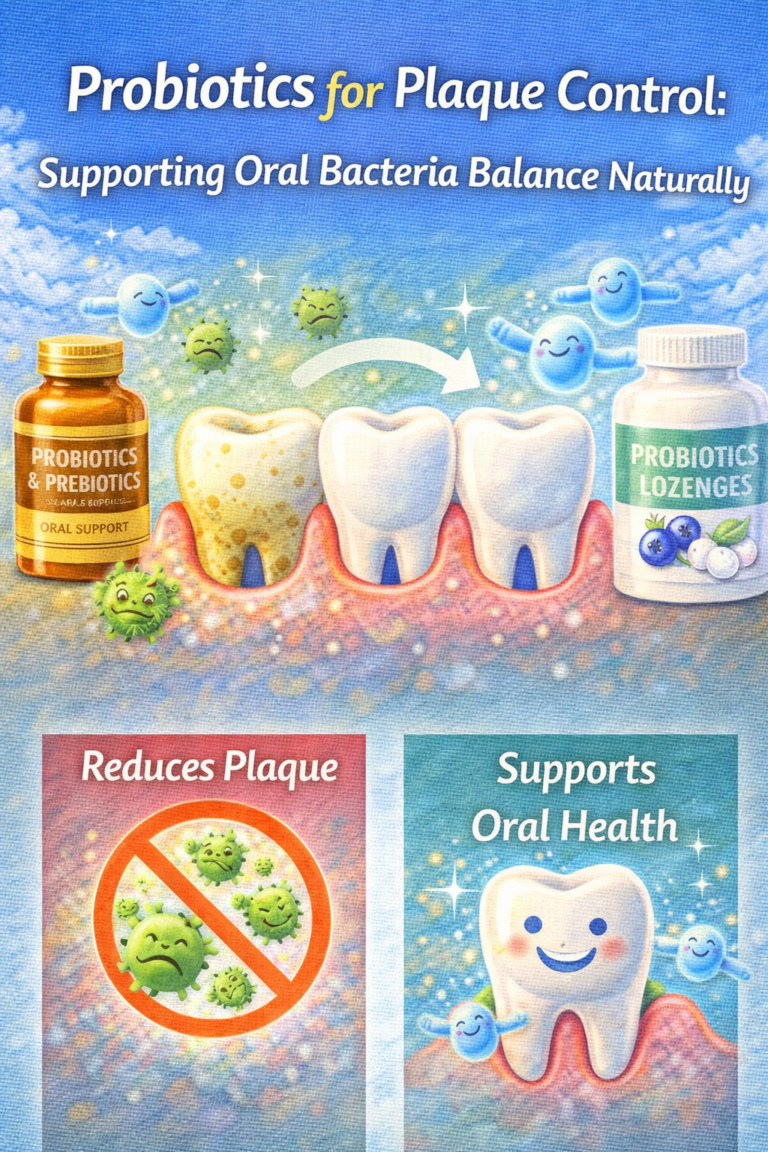
Although gum health is an important part of oral wellness, it is only one piece of a larger picture. Factors such as oral bacteria balance, saliva production, plaque control, fresh breath, nutrition, hydration, and daily hygiene habits all work together to influence the condition of the mouth. Readers who would like a broader introduction to these interconnected topics can visit our Oral Health Resource Center, where we provide educational resources covering preventive oral care, oral microbiome balance, oral probiotics, gum wellness, and practical oral hygiene strategies.
Gentle Oral Hygiene Can Make a Noticeable Difference
Brushing Pressure Matters More Than Most Expect
One common mistake after noticing bleeding gums is brushing harder.
In reality, excessive scrubbing can increase irritation, especially around sensitive gum tissue.
Soft-bristled toothbrushes and gentle circular movements are generally easier on the gums while still helping remove plaque effectively.
A useful real-world clue: toothbrush bristles that flatten quickly often indicate excessive brushing pressure.
Cleaning Between Teeth Is Frequently Overlooked
Toothbrushes mainly clean visible tooth surfaces.
The spaces between teeth are where plaque commonly remains undisturbed, particularly near molars and crowded teeth.
Flossing, interdental brushes, or water flossers may help reduce irritation in these difficult-to-clean areas.
For readers interested in additional gum support strategies:
👉 https://dentalpro7.us/strengthen-gums-naturally/
Saliva Plays a Bigger Role Than Most Realize
Saliva helps balance oral bacteria naturally.
People who wake up with dry mouths or breathe through their mouths during sleep often experience increased gum sensitivity in the morning.
Dry environments inside the mouth may allow bacteria to remain active near the gums for longer periods.
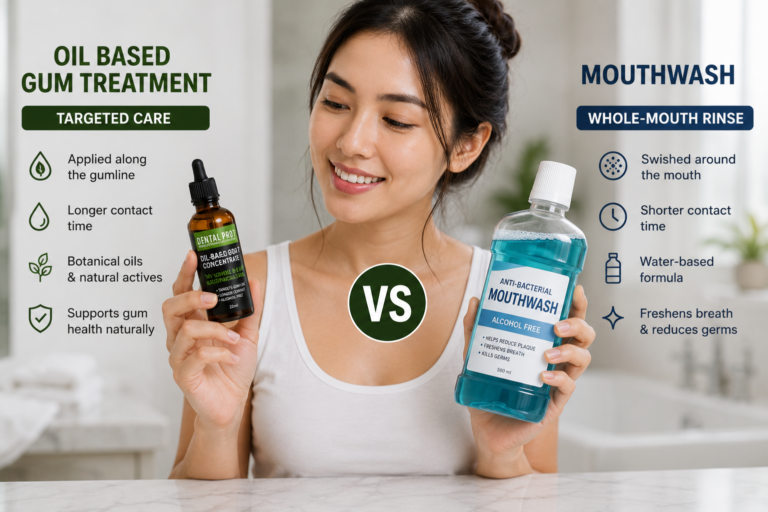
Improving hydration habits and reducing alcohol-heavy mouthwashes may help support healthier moisture balance.
One overlooked observation is how quickly the mouth can feel irritated after long periods of coffee consumption combined with low water intake during busy workdays.
Food Choices and Gum Comfort
The relationship between nutrition and gum health is often underestimated.
Foods rich in vitamin C, hydration, and fiber may help support healthier oral tissues. Crunchy vegetables also encourage saliva flow during chewing.
Meanwhile, frequent sugary snacking can continuously feed oral bacteria throughout the day.
Interestingly, gum discomfort is not always linked to eating large amounts of sugar at once. Constant sipping and snacking may expose the gums to more prolonged bacterial activity than occasional meals.
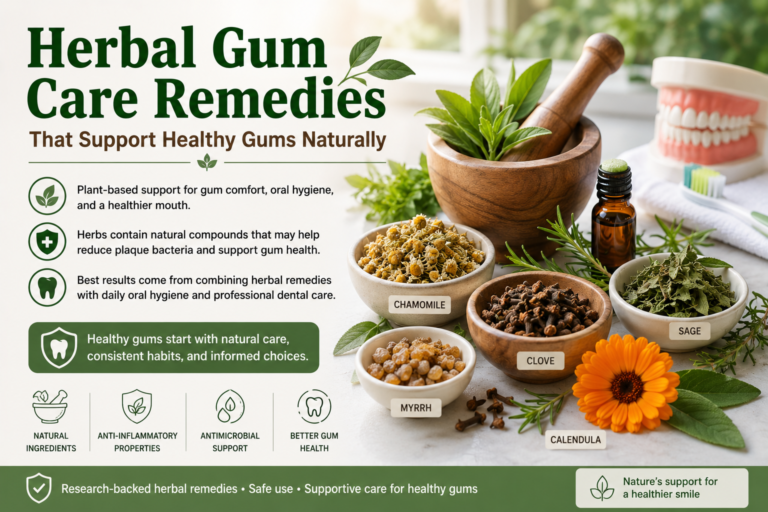
Herbal Gum Care Approaches
Certain herbal oral care traditions have been used historically to support oral comfort and hygiene routines.
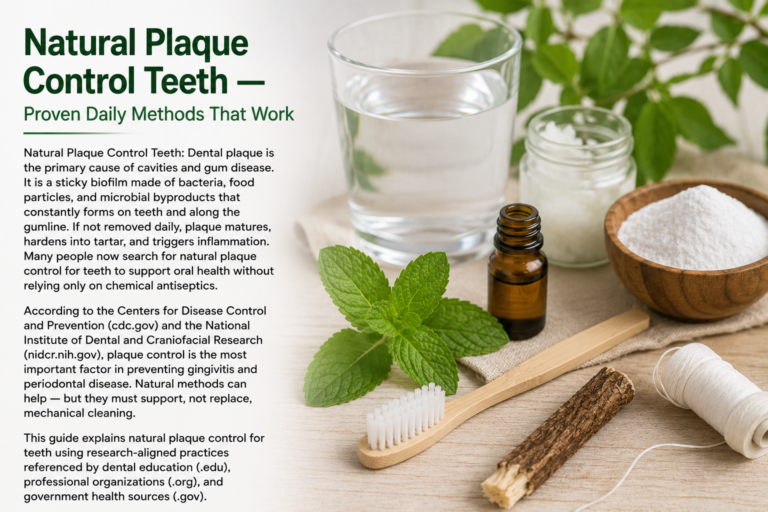
Natural ingredients such as clove, peppermint, tea tree oil, aloe vera, and saltwater rinses are commonly discussed in oral wellness conversations.
However, herbal care should be viewed as supportive rather than curative.
For a more detailed discussion: https://dentalpro7.us/herbal-gum-care-remedies/
The National Center for Complementary and Integrative Health encourages consumers to approach herbal products thoughtfully and understand that “natural” does not automatically mean risk-free.
Supporting Weak or Sensitive Gums Naturally
Sensitive gums often respond better to consistency than aggressive “deep-cleaning” efforts.
People dealing with weak or irritated gums frequently benefit from:
- softer brushing techniques
- reducing friction near the gumline
- better hydration
- more stable oral hygiene routines
- reducing smoking exposure
- improved nighttime care
Related reading: https://dentalpro7.us/strengthen-weak-gums-naturally-at-home/
Understanding the Idea of “Gum Detox”
The term “gum detox” is sometimes used online in exaggerated ways.
In practical oral care discussions, it is more realistic to think about gum detox methods as supportive habits that help reduce bacterial buildup and improve oral hygiene consistency.
This may include:
- tongue cleaning
- improving hydration
- reducing smoking
- cleaning between teeth
- reducing plaque accumulation
- improving nighttime oral care
Related reading: https://dentalpro7.us/natural-gum-detox-method/
Avoid any claims suggesting the mouth can instantly “flush toxins” or completely repair severe gum damage naturally without proper dental care.
Stress and Gum Irritation
Stress can influence gum comfort more indirectly than people expect.
During stressful periods:
- sleep quality often declines
- teeth grinding increases
- hydration decreases
- nighttime brushing becomes inconsistent
- inflammation responses may become more noticeable
Certain individuals unconsciously clench their jaw during work or sleep, creating additional pressure around already sensitive gum tissue.
This is one reason gum irritation can seem unpredictable during busy or emotionally demanding periods.
When Natural Care Alone Is Not Enough
Supportive home care has limits.
Certain symptoms deserve professional evaluation rather than continued self-treatment.
Gum Recession Often Develops Gradually
One aspect of gum health that deserves special attention is gum recession. Unlike sudden gum irritation, recession often develops slowly over months or even years, making it difficult for many people to notice in its earliest stages.
As the gum tissue gradually pulls away from the teeth, more of the tooth surface becomes exposed. Some individuals first become aware of the problem when they notice increased sensitivity to cold drinks, discomfort while brushing, or the appearance of teeth looking slightly longer than before.
Several everyday factors may contribute to gum recession over time. Aggressive brushing techniques, chronic plaque accumulation, teeth grinding, smoking, and long-term gum inflammation can all place additional stress on the gumline. Even individuals who maintain regular brushing habits may unknowingly use excessive pressure that gradually affects delicate gum tissue.
Early recognition is important because gum tissue does not always regenerate naturally once significant recession has occurred. This is why monitoring subtle changes around the gumline can be valuable for long-term oral health maintenance.
In many cases, people focus primarily on bleeding gums while overlooking changes in gum position. However, receding gums can create additional challenges by exposing sensitive root surfaces where bacteria may accumulate more easily.
Fortunately, addressing contributing factors early may help support healthier gum conditions and reduce the likelihood of further progression. Gentle brushing techniques, improved plaque management, consistent flossing, proper hydration, and regular dental evaluations often play an important role in maintaining gum stability.
For readers who would like to learn more about practical strategies, early intervention options, and supportive approaches for protecting vulnerable gum tissue, our detailed guide on receding gums treatment for early gum protection provides additional information about recognizing warning signs and supporting healthier gums before more advanced complications develop.
Persistent Bleeding
Repeated bleeding despite improved oral hygiene may indicate deeper inflammation.
Gum Recession
If teeth begin appearing longer, the gum tissue may be pulling away from the tooth surface.
Loose Teeth or Pain While Chewing
These symptoms should not be ignored because they may involve deeper periodontal structures.
Swelling or Pus
Persistent swelling may indicate infection requiring professional care.
The Centers for Disease Control and Prevention explains that untreated gum disease can eventually affect the structures supporting the teeth.
Why Sustainable Habits Usually Matter More Than “Perfect” Routines
One reason oral care becomes frustrating is the expectation of immediate visible improvement.
In real-world situations, healthier gums are usually connected to small habits repeated consistently:
- brushing gently
- cleaning between teeth
- staying hydrated
- reducing plaque accumulation
- improving sleep routines
- lowering irritation triggers
Short bursts of extremely strict oral care are often less sustainable than moderate routines maintained comfortably.
Supportive Oral Care Products

Readers exploring supportive oral care products may consider:
The most helpful products are usually the ones that encourage consistent daily oral hygiene habits without unrealistic promises.
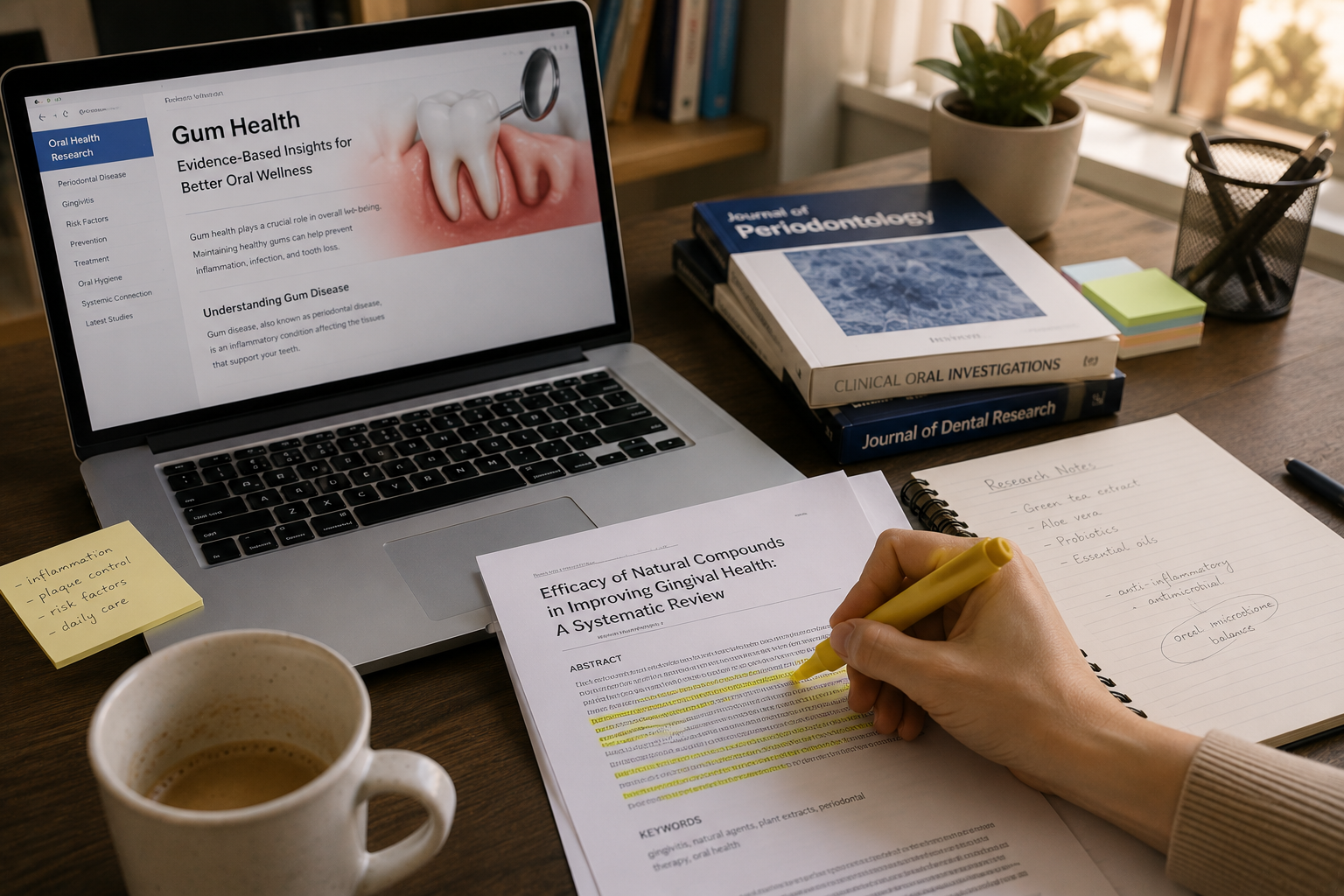
What Current Oral Health Research Continues to Emphasize
Modern oral health research increasingly focuses on prevention, plaque management, inflammation reduction, and long-term oral maintenance rather than quick cosmetic fixes.
Organizations including:
- American Dental Association
- CDC Oral Health Division
- National Center for Complementary and Integrative Health
continue emphasizing preventive oral hygiene and evidence-informed care approaches.
FAQ – Natural Gum Treatment Methods
Can natural gum treatment methods help with mild gum irritation?
Supportive daily habits such as gentle brushing, flossing, hydration, and plaque management may help reduce mild gum discomfort.
Are herbal remedies enough for severe gum problems?
Herbal approaches may support oral comfort, but persistent swelling, bleeding, or loose teeth should be evaluated professionally.
Why do gums sometimes feel worse during stressful periods?
Stress can affect sleep quality, hydration, jaw clenching, and oral hygiene consistency, all of which may influence gum comfort.
Does dry mouth affect gum health?
Yes. Reduced saliva flow may allow bacteria to remain active near the gums more easily.
About the Author
Dental Pro 7 Editorial Team
The Dental Pro 7 Editorial Team researches topics related to oral wellness, gum support, plaque management, and preventive oral hygiene habits. Content is developed using publicly available dental research, educational references, and evidence-informed resources designed to help readers better understand everyday oral health concerns in practical and human-readable language.
Disclaimer – Natural Gum Treatment Methods
This article is intended for informational and educational purposes only and does not provide medical advice, diagnosis, or treatment. Oral health conditions vary between individuals. Readers experiencing persistent bleeding gums, swelling, loose teeth, pain, or signs of infection should consult a licensed dentist or healthcare professional for appropriate evaluation and care.