

Best Essential Oils Gums are increasingly discussed in oral care conversations, especially among people looking for plant-based ways to support healthier gums. Scientific and dental research institutions acknowledge that certain essential oils have antimicrobial and anti-inflammatory properties that may help reduce oral bacteria when used correctly. The key is understanding which oils are supported by evidence, how they work, and how to use them safely.
According to research indexed in ncbi.nlm.nih.gov and educational dental sources (.edu), specific botanical oils can disrupt bacterial membranes and interfere with biofilm formation — a major contributor to gum inflammation. This makes them a useful adjunct to brushing and flossing — not a replacement.
This guide explains the best essential oils for gum health support, the science behind them, safety rules, and how they fit into a complete gum-care routine.
Why Essential Oils Matter for Gum Care
Gum problems begin primarily with plaque biofilm — a structured bacterial community that adheres to teeth and gumlines. The Centers for Disease Control and Prevention (cdc.gov) and National Institute of Dental and Craniofacial Research (nidcr.nih.gov) identify plaque bacteria as the leading cause of gingivitis and periodontitis.
Certain essential oils have demonstrated:
- antimicrobial activity
- anti-inflammatory effects
- odor-reducing properties
- biofilm disruption potential
Dental antimicrobial mouthrinses recognized by the American Dental Association (ada.org) often include essential oil compounds — showing they are already part of evidence-based oral care formulations.
Best Essential Oils for Gum Health Support — Evidence Overview
Not all essential oils are appropriate for oral use. The following oils are the most frequently studied and referenced in oral microbiology research.
Clove Oil for Gum Support
Clove oil is one of the most studied dental botanicals. Dental schools (.edu) often reference clove derivatives in historical and modern dentistry.
Active compound: eugenol
Research-supported properties:
- antimicrobial
- analgesic (comfort support)
- anti-inflammatory
- biofilm inhibition
Clove has long been used in temporary dental soothing applications. However, it is potent and must always be diluted.
Tea Tree Oil Antimicrobial Activity
Tea tree oil appears in multiple oral microbiology studies indexed at ncbi.nlm.nih.gov.
Observed properties:
- antibacterial
- antifungal
- anti-inflammatory
Some controlled trials suggest tea tree oil gels or rinses may reduce gingival inflammation markers when used short term.
Important: Never swallow. Always dilute heavily.
Peppermint Oil Oral Bacteria Control
Peppermint oil is widely used in dental products for both flavor and antimicrobial support.
Research suggests peppermint oil may:
- inhibit certain oral bacteria
- reduce odor-causing compounds
- provide cooling sensation
Peppermint is milder than clove or tea tree but still requires dilution.
Thyme Oil Biofilm Disruption
Thyme oil contains thymol, a compound frequently cited in dental antimicrobial literature and included in some ADA-recognized rinses.
Documented properties:
- bacterial membrane disruption
- plaque biofilm interference
- anti-inflammatory action
Thymol is one of the most clinically referenced essential oil components in oral care.
Eucalyptus Oil Gum Support
Eucalyptus oil has been evaluated in antimicrobial studies involving respiratory and oral pathogens.
Potential benefits:
- antibacterial activity
- anti-inflammatory signaling
- breath freshness support
Often used in multi-oil blends rather than alone.
Cinnamon Oil — Strong but Potent
Cinnamon oil shows strong antimicrobial action in lab studies, including oral bacteria cultures.
However:
- very strong
- high irritation risk
- requires extreme dilution
- not for sensitive gums
Use only in professionally formulated blends.
Best Essential Oils for Gum Health Support — How They Work
Essential oils act primarily through:
Membrane Disruption
Many oils damage bacterial cell membranes, weakening microbes.
Biofilm Interference
Some oils reduce the ability of bacteria to organize into plaque biofilm.
Inflammation Modulation
Plant compounds can influence inflammatory pathways.
Volatile Antimicrobial Vapors
Certain oils release vapors that inhibit microbial growth.
This multi-mechanism action is why essential oils appear in dental antimicrobial rinse formulations recognized by ada.org.
Safe Dilution Rules for Oral Use
Dental toxicology guidance (.edu pharmacy and dentistry departments) emphasizes dilution.
General dilution guideline:
- 1 drop essential oil
- 1 teaspoon carrier oil or water base
- mix thoroughly
Never use undiluted essential oil on gums.
Carrier Oils for Gum Application
Carrier oils reduce irritation and improve distribution.
Best options:
- coconut oil
- olive oil
- sesame oil
- MCT oil
Carrier oils also help extend gum contact time.
Oil-Based Gum Concentrate Approach
Instead of water rinses, some oral care users prefer oil-based gum concentrates designed for gumline application.
Supporters suggest oil delivery may:
- improve botanical stability
- increase tissue contact
- reduce wash-away effect
- support targeted gum application
Educational product resources at dentalpro7.com describe oil-based gum concentrate approaches intended for gumline support rather than rinse-and-spit formats. These are positioned as adjunct support tools.
Essential Oil Gum Massage Method
A gentle gum massage may support circulation and distribution.
Method:
- dilute essential oil in carrier
- apply small amount
- massage gently with clean finger
- 30 seconds per quadrant
- spit excess
- do not swallow
Use once daily unless advised otherwise by a dental professional.
Essential Oil Rinse Method
Simple rinse formula:
- warm water
- carrier dispersant (like a little salt or baking soda)
- diluted essential oil blend
Swish 30 seconds. Spit. Do not ingest.
What Government & University Sources Say
Trusted sources emphasize:
- plaque control is primary
- inflammation reduction is key
- botanicals are adjunctive
- essential oil rinses can be effective
Consensus: helpful support — not standalone treatment.
What Essential Oils Cannot Replace
Essential oils cannot:
- remove tartar
- treat periodontitis
- reverse bone loss
- replace scaling
- replace dental exams
They are supportive only.
Who Should Avoid Essential Oil Gum Use
Avoid or consult a dentist if:
- pregnant
- nursing
- gum ulcer present
- oral surgery recovery
- severe gum disease
- allergy history
Children should not use essential oil gum products without professional guidance.
Best Essential Oils Gums Health Support — Practical Routine
Safe supportive routine:
Morning:
- brush gumline
- floss
- essential oil rinse
Evening:
- brush
- interdental clean
- diluted oil gum massage
Weekly:
- oil pulling session
Monthly:
- dental hygiene check
Signs It’s Working
Possible improvements:
- less bleeding
- fresher breath
- reduced redness
- firmer gum feel
- lower sensitivity
If symptoms worsen — stop and consult a dentist.
✅ FAQ – Best Essential Oils Gums Health Support Guide
Q: Are essential oils safe for gums?
A: Yes when properly diluted and used as supportive care, not as a replacement for brushing and flossing.
Q: Which essential oil is best gums?
A: Clove, thyme, and tea tree oils show the strongest antimicrobial evidence in oral studies.
Q: Can essential oils cure gum disease?
A: No. They support gum health but cannot treat or reverse periodontal disease.
 Gum Health Support Option — Dental Pro 7
 Gum Health Support Option — Dental Pro 7
If you are building a daily natural gum care routine, some people prefer adding an oil-based gum concentrate for longer contact time along the gumline — instead of quick rinse exposure.
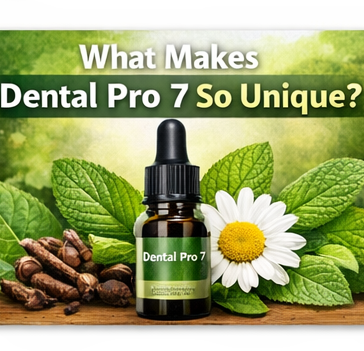
Dental Pro 7 is a botanical gum concentrate designed to support gumline care using oil-based delivery and plant-derived compounds.
 Oil-based gum concentrate format
Targets gumline contact area
Botanical ingredient approach
No water dilution required
Easy to apply as part of daily routine
Many natural oral care routines include brushing, interdental cleaning, and optional gum concentrate support.
Checkout Dental Pro 7 Here

Other Articles: Natural Gum Detox Method
RELATED POSTS
View all

Herbal Gum Care Remedies – That Support Healthy Gums Naturally
February 15, 2026 | by syukr.adiwirya
Bleeding Gums Natural Treatment Guide at Home
February 14, 2026 | by syukr.adiwirya