Gum Infections and Gingivitis: Causes, Symptoms, and Effective Care
Gum Infections and Gingivitis: Causes, Symptoms, and Effective Care
Gum infections and gingivitis Causes: Last Updated: August 1, 2026. ⏱️ Min Read: 11 min read
While they often begin mildly, these conditions can progress into serious periodontal disease if left untreated. According to the Centers for Disease Control and Prevention (CDC), nearly half of adults aged 30 and older in the United States have some form of gum disease, making early awareness and prevention essential (cdc.gov).
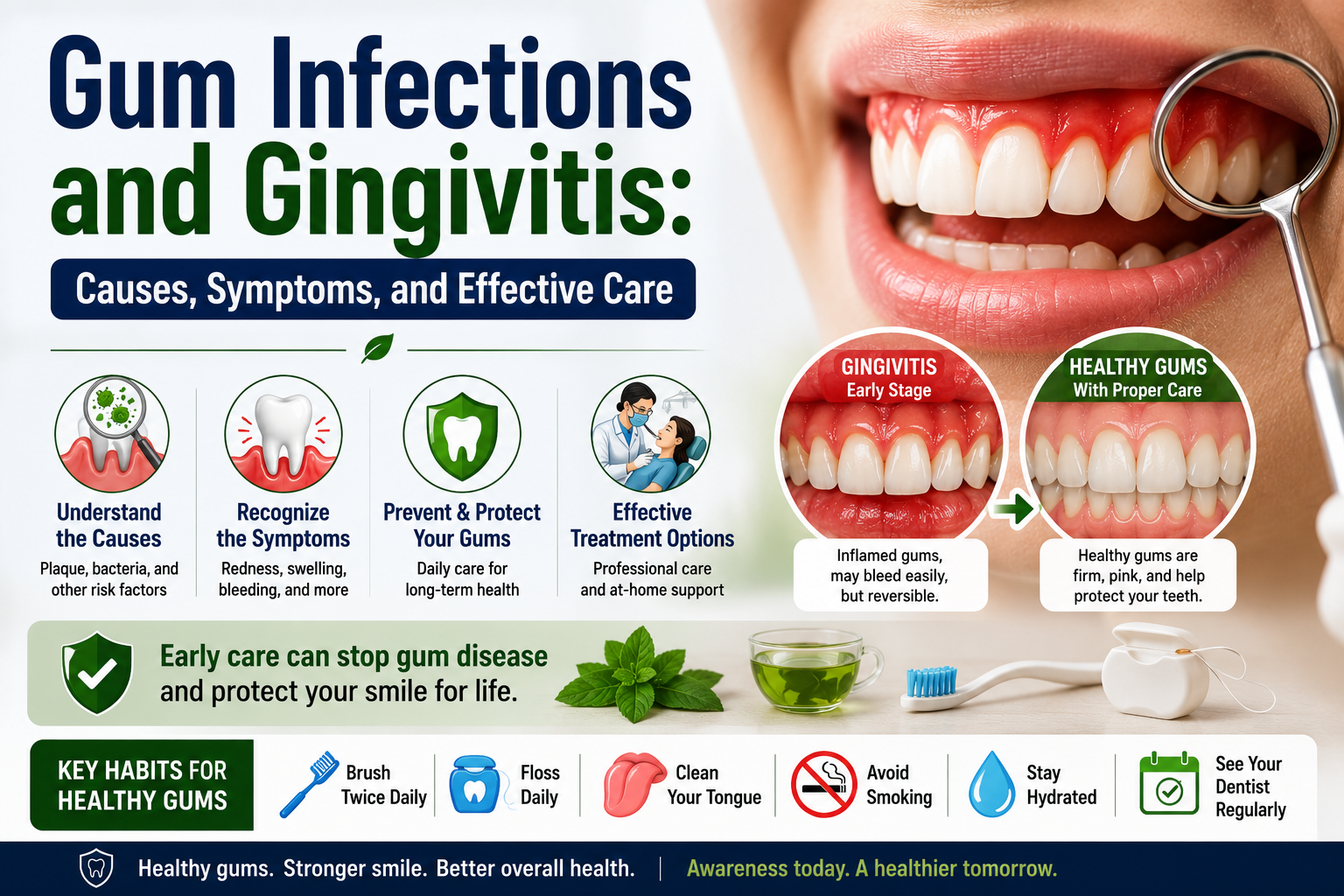
Gingivitis is the earliest stage of gum infection and is usually reversible with proper care. Understanding how gum infections develop, how to recognize the symptoms, and what treatment options are available can help protect both oral and overall health.
What Are Gum Infections and Gingivitis?
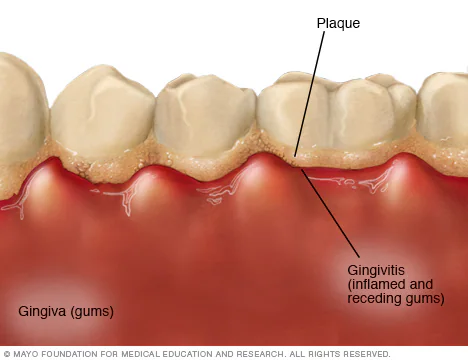
Gingivitis is a mild gum infection caused by plaque buildup along the gumline. Plaque contains bacteria that irritate gum tissue, leading to inflammation, redness, swelling, and bleeding. If plaque is not removed, gingivitis can progress into periodontitis, a more serious gum infection that damages the supporting bone around teeth.
The National Institute of Dental and Craniofacial Research (NIDCR) explains that gum infections begin when bacteria accumulate and trigger the body’s inflammatory response (nidcr.nih.gov).
Main Causes of Gum Infections and Gingivitis
1. Plaque and Bacterial Buildup
The primary cause of gum infections and gingivitis is plaque accumulation due to inadequate brushing and flossing. Bacteria in plaque release toxins that inflame gum tissue (nih.gov).
2. Poor Oral Hygiene Habits
Skipping brushing, flossing irregularly, or using improper techniques allows bacteria to thrive. Dental schools such as Harvard School of Dental Medicine (harvard.edu) emphasize daily plaque removal to prevent gingivitis.
3. Smoking and Tobacco Use
Smoking weakens the immune system, making it harder for gums to fight infection. Smokers are at significantly higher risk of gum disease (cdc.gov).
4. Hormonal Changes
Pregnancy, puberty, and menopause can increase gum sensitivity, making infections more likely (medlineplus.gov).
5. Medical Conditions and Medications
Diabetes, immune disorders, and medications that reduce saliva can increase susceptibility to gum infections (nih.gov).
Common Symptoms of Gum Infections and Gingivitis
Early detection is key. Symptoms may include:
- Red, swollen, or tender gums
- Bleeding during brushing or flossing
- Persistent bad breath
- Gum recession
- Sensitive teeth
Persistent bad breath often develops alongside gum inflammation. Readers interested in probiotic oral support can learn more in our Dental Pro 7 Bad Breath Review.
The American Dental Association (ADA) notes that gingivitis often causes little pain, which is why many people overlook it until it worsens (ada.org).
Support Healthier Gums Starting Today
If you’re dealing with gum infections or early gingivitis, addressing harmful bacteria is essential.
>>Checkout Dental Pro 7 Now
Enhance your daily oral care routine with a natural, antibacterial formula designed to support gum health.
Why Early Gingivitis Treatment Matters
One of the most important aspects of gum health is recognizing gingivitis before it progresses into more advanced periodontal disease. In its early stages, gingivitis often causes subtle symptoms such as mild redness, occasional bleeding during brushing, and slight gum tenderness. Because these symptoms are frequently painless, many people delay taking action until inflammation becomes more noticeable. However, addressing gingivitis early may help reduce bacterial accumulation along the gumline and support healthier gum tissue over time.
Dental professionals consistently emphasize that early intervention is easier and more effective than treating advanced gum disease. Improving brushing techniques, flossing daily, maintaining professional dental cleanings, and reducing plaque buildup can all contribute to better outcomes. Individuals interested in learning more about prevention strategies and supportive care options can explore gingivitis treatment for healthier gums to better understand how early action may help support long-term oral health and healthier gum function.
Support Healthier Gums Starting Today
If you’re dealing with gum infections or early gingivitis, addressing harmful bacteria is essential.
👉 Checkout Dental Pro 7 Now
Enhance your daily oral care routine with a natural, antibacterial formula designed to support gum health.
Why Untreated Gum Infections Become More Serious
Untreated gum infections don’t just affect the mouth. Research has linked periodontal disease to systemic health issues such as:
- Cardiovascular disease (heart.org)
- Poor blood sugar control in diabetes (cdc.gov)
- Respiratory infections (nih.gov)
As gum disease progresses, tooth loss and jawbone deterioration can occur.
As gum disease progresses, inflamed tissue may begin forming deeper gum pockets, making bacterial accumulation more difficult to control without appropriate periodontal treatment.
Recognizing Warning Signs Before Gum Disease Progresses
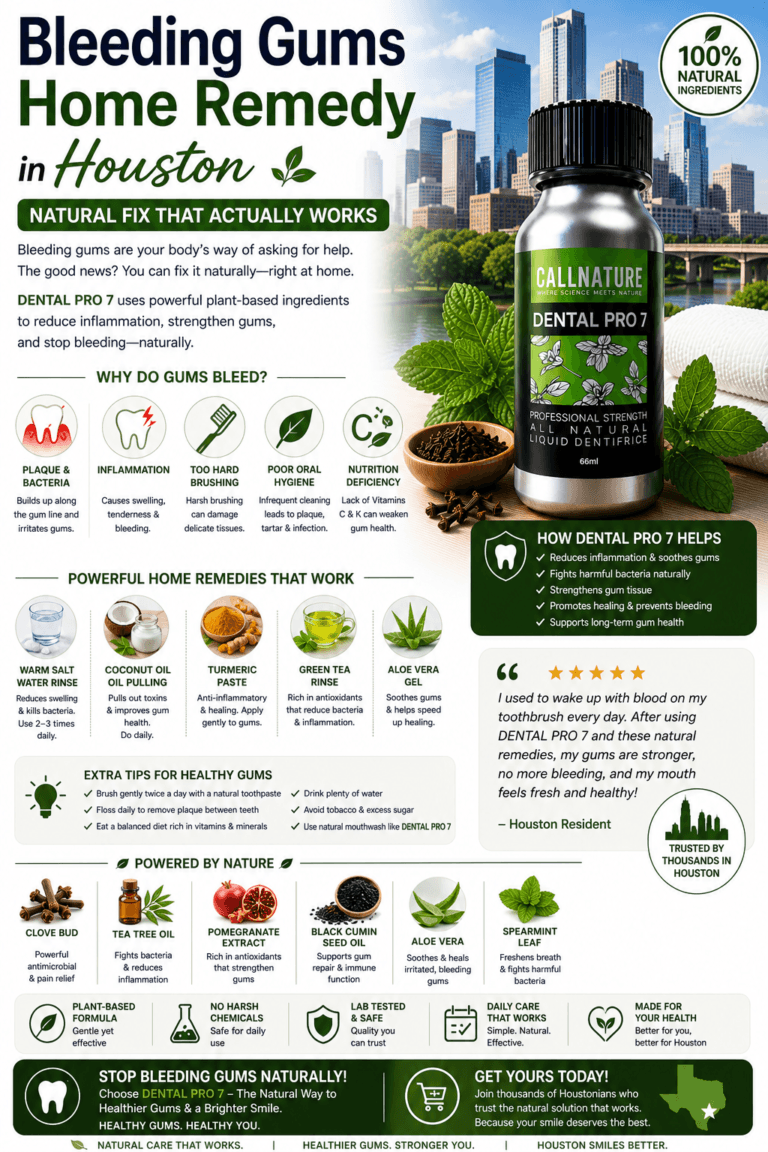
Many people assume occasional gum bleeding or mild gum tenderness is not a serious concern. However, gum disease often develops gradually, with symptoms becoming more noticeable only after inflammation has been present for an extended period. Early warning signs may include persistent bad breath, recurring bleeding while brushing, gum recession, increased tooth sensitivity, or gums that appear swollen and irritated.
Because these symptoms can be subtle, they are frequently overlooked until more advanced periodontal damage occurs. Learning to identify these warning signs early may encourage faster intervention and improve long-term oral health outcomes. Readers who want a more detailed overview of common warning indicators can explore gum disease symptoms you should never ignore to better understand when gum inflammation may require additional attention.
Professional and Home Treatment Options
Professional Dental Treatment
Dentists may recommend:
- Professional cleanings (scaling)
- Deep cleaning (scaling and root planing)
- Antibiotic therapy in some cases
According to Johns Hopkins Medicine (hopkinsmedicine.org), early gingivitis can often be reversed with professional care and improved hygiene.
Daily Home Care
- Brush twice daily with a soft-bristle toothbrush
- Floss daily
- Clean the tongue to reduce bacteria
- Maintain regular dental checkups
Building a Long-Term Healthy Gum Care Routine
Successful management of gingivitis and gum infections often depends on consistency rather than short-term solutions. While professional dental treatment plays an important role, daily habits remain the foundation of long-term gum health. Plaque begins forming on teeth within hours after cleaning, which means regular oral hygiene practices are essential for controlling bacterial growth and minimizing gum irritation. Small improvements in daily routines can make a meaningful difference over time.
In addition to brushing twice daily and flossing regularly, many dental professionals recommend paying close attention to gumline cleaning, tongue hygiene, hydration, and dietary choices that support oral wellness. Limiting excessive sugar intake and avoiding tobacco products may also help create a healthier environment for gum tissue. When combined with regular dental evaluations, these habits can support stronger gums, reduce inflammation risks, and contribute to better overall oral health outcomes.
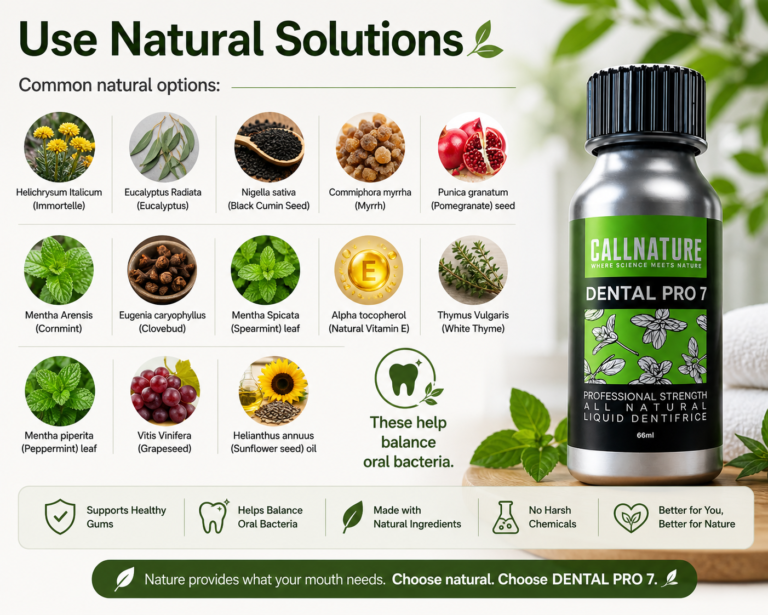
Some people also include botanical ingredients in their oral hygiene routine. Learn which extracts are commonly discussed in our Best Essential Oils for Gum Health Support.
Can Dental Pro 7 Support Gum Health Naturally?
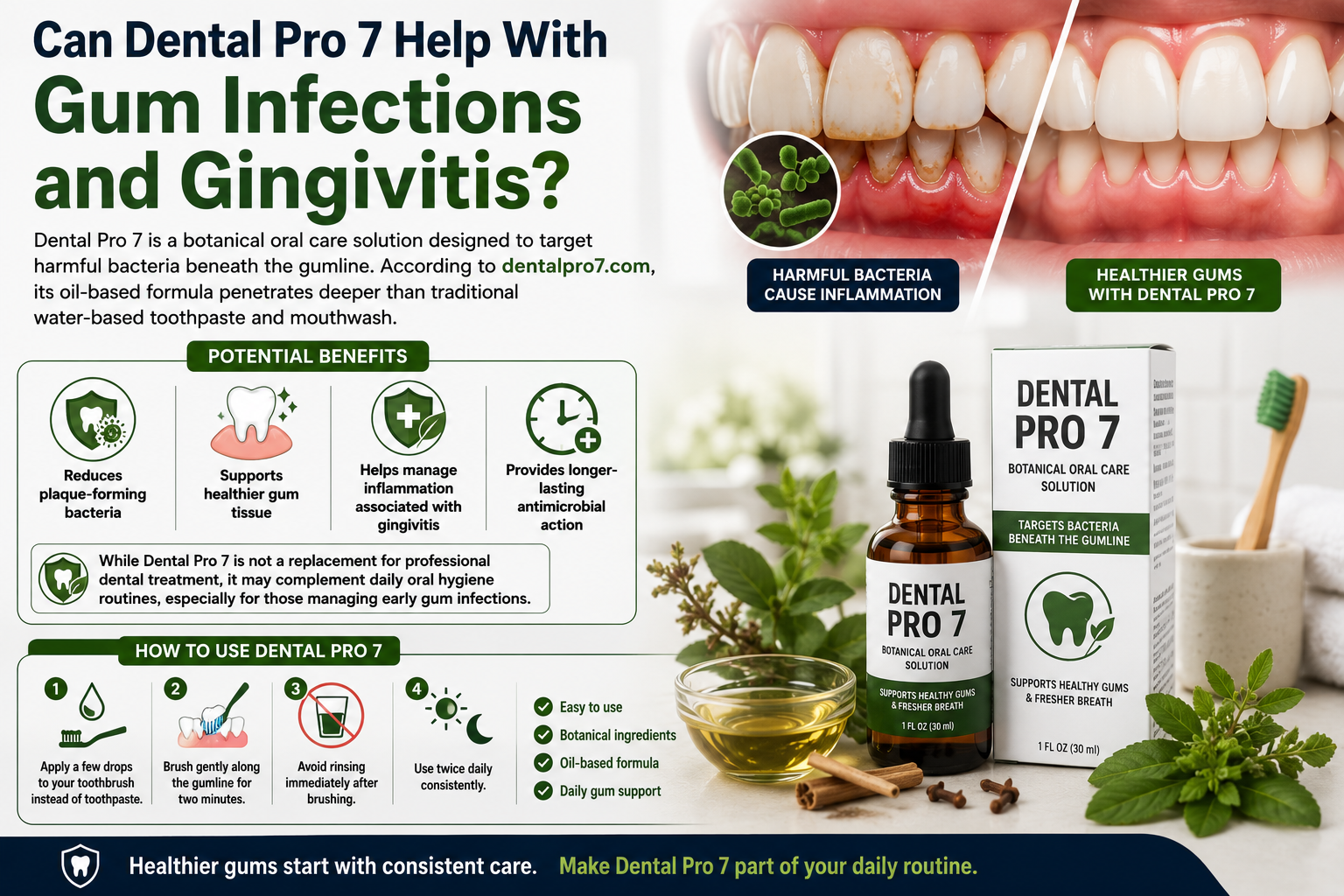
Dental Pro 7 is a botanical oral care solution designed to target harmful bacteria beneath the gumline. According to dentalpro7.com, its oil-based formula penetrates deeper than traditional water-based toothpaste and mouthwash.
Before adding any botanical oral care product to your routine, review our Dental Pro 7 Side Effects Review to better understand ingredients, safety information, and recommended use.
Readers seeking a broader evaluation can explore our Dental Pro 7 Comprehensive Review covering ingredients, benefits, usage considerations, and available scientific evidence.
Potential Benefits
- Reduces plaque-forming bacteria
- Supports healthier gum tissue
- Helps manage inflammation associated with gingivitis
- Provides longer-lasting antimicrobial action
While Dental Pro 7 is not a replacement for professional dental treatment, it may complement daily oral hygiene routines, especially for those managing early gum infections.
How to Use Dental Pro 7
Based on manufacturer instructions (dentalpro7.com):
- Apply a few drops to your toothbrush instead of toothpaste
- Brush gently along the gumline for two minutes
- Avoid rinsing immediately after brushing
- Use twice daily consistently
Support Healthier Gums Starting Today
If you’re dealing with gum infections or early gingivitis, addressing harmful bacteria is essential.
>>Checkout Dental Pro 7 Now
Enhance your daily oral care routine with a natural, antibacterial formula designed to support gum health.
FAQ – Gum Infections and Gingivitis Causes
Are gum infections and gingivitis reversible?
Yes. Gingivitis is the earliest stage of gum disease and often improves with consistent plaque removal, daily flossing, and professional dental cleanings before permanent damage occurs.
What are the earliest signs of gum infections?
Common early symptoms include bleeding during brushing, swollen or tender gums, persistent bad breath, redness, and mild gum recession. Early treatment helps reduce the risk of progression.
Can untreated gingivitis become periodontitis?
Yes. Without proper plaque control and professional care, gingivitis may progress into periodontitis, which can damage gum tissue, supporting bone, and eventually lead to tooth loss.
Can Dental Pro 7 replace professional dental treatment?
No. Dental Pro 7 is intended to complement a daily oral hygiene routine and should never replace professional diagnosis or periodontal treatment when needed.
What daily habits help support healthier gums?
Brushing twice daily, flossing every day, maintaining regular dental visits, staying hydrated, limiting sugar, and avoiding tobacco all contribute to healthier gums.
Dental Pro 7 Editorial Team
The Dental Pro 7 Editorial Team reviews oral health, gum care, oral microbiome, and preventive dentistry topics to help provide accurate educational information.
Dental Pro 7 Editorial Policy
Content is reviewed for accuracy, clarity, transparency, and educational value using reputable health and dental sources.