Consistent Oral Hygiene
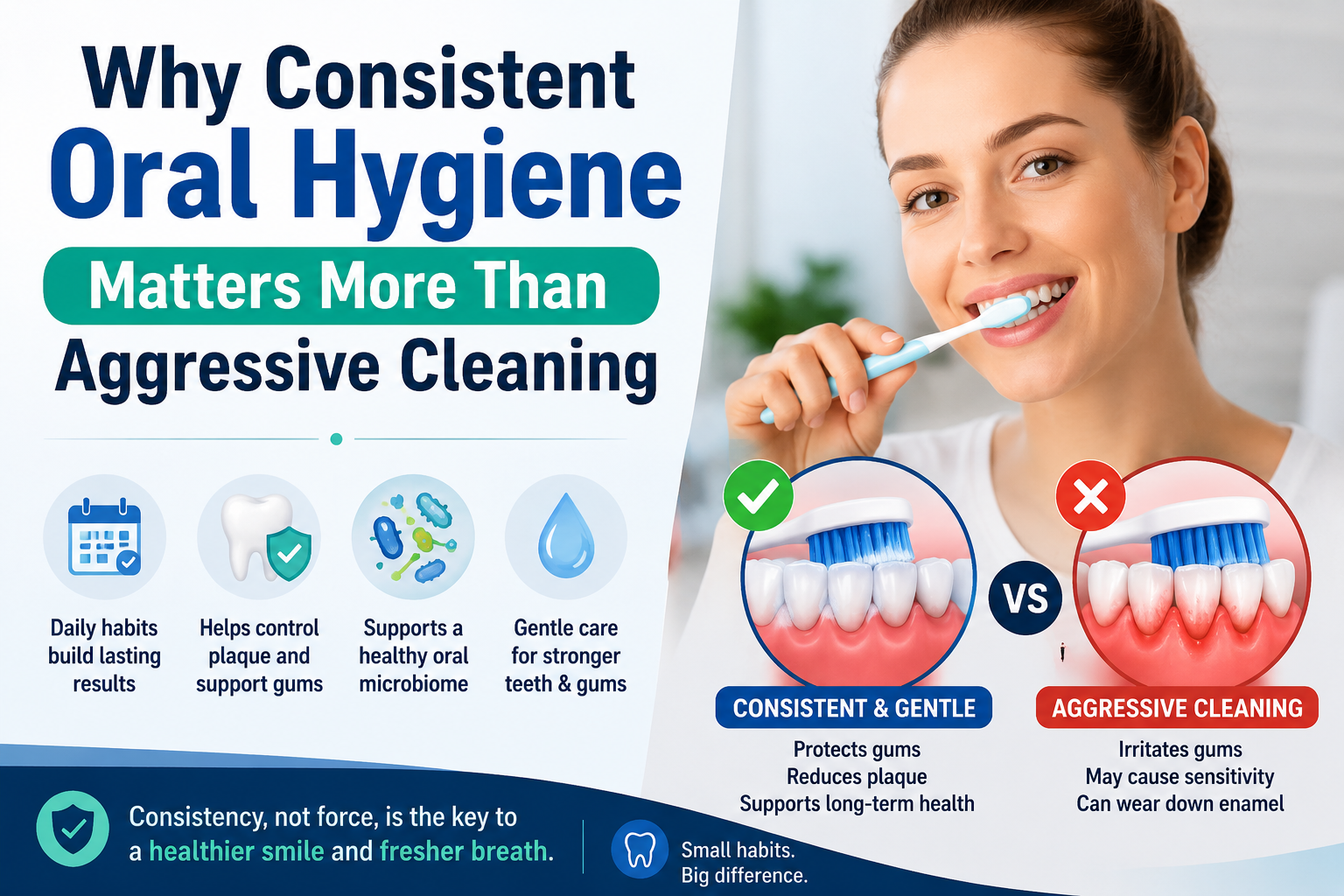
Why Consistent Oral Hygiene Matters More Than Aggressive Cleaning
Consistent Oral Hygiene: Many people assume that brushing harder means cleaning better.
It’s a common belief: if plaque feels stubborn, applying more pressure should remove it faster. The same idea often extends to flossing, tongue scraping, and other oral hygiene habits. Yet dental professionals frequently observe the opposite problem. People who clean too aggressively may end up irritating their gums, increasing tooth sensitivity, or creating discomfort that makes them less likely to maintain their routine.
In reality, oral health is usually shaped by what happens every day rather than by occasional intense cleaning sessions.
Plaque forms continuously. Oral bacteria are constantly interacting with food particles, saliva, and tooth surfaces. Because these processes occur throughout the day, a gentle but consistent routine is often more effective than aggressive efforts performed only occasionally.
Research published through PubMed and NCBI suggests that regular plaque control plays a significant role in supporting healthy teeth and gums. Consistency helps interrupt plaque accumulation before it becomes more difficult to manage.
What Consistent Oral Hygiene Actually Means
Consistent oral hygiene does not require excessive effort. Instead, it focuses on performing essential habits regularly and correctly.
Brushing at Regular Intervals
Brushing twice daily remains one of the most widely recommended oral hygiene practices.
The goal is not to scrub teeth aggressively. Rather, brushing helps disrupt plaque biofilms before they become more established on tooth surfaces and along the gumline.
Brushing consistently every morning and evening helps interrupt plaque formation before bacterial biofilms become more established along the gumline.
Cleaning Between Teeth Daily
Toothbrush bristles may not fully reach tight spaces between teeth.
Daily interdental cleaning using floss, interdental brushes, or other suitable tools may help remove debris and plaque from areas that brushing alone can miss.
Maintaining Long-Term Habits
One of the least discussed aspects of oral health is sustainability.
A routine that can be comfortably maintained for years often produces better outcomes than an intensive routine that becomes difficult to continue.
Using Proper Technique
Technique frequently matters more than force.
According to guidance from the American Dental Association (ADA), gentle and thorough brushing may provide effective plaque removal while minimizing unnecessary irritation to oral tissues.
Why Aggressive Cleaning Can Be Counterproductive
Many oral health problems are associated not only with inadequate cleaning but also with excessive force.
Brushing Too Hard May Irritate Gums
The gumline contains delicate tissue.
When excessive pressure is applied repeatedly, irritation may occur. Some people notice tenderness, soreness, or minor bleeding that results from brushing technique rather than plaque alone.
Excessive Pressure May Contribute to Enamel Wear
Enamel is highly durable, but it is not indestructible.
Repeated aggressive brushing combined with abrasive products may gradually contribute to surface wear near the gumline. This area is often more vulnerable because enamel naturally becomes thinner toward the tooth neck.
Aggressive Flossing Can Cause Discomfort
Floss is intended to slide gently along tooth surfaces.
Snapping floss forcefully into the gums may create irritation and discourage regular flossing habits. A careful approach is often more comfortable and easier to maintain consistently.
Oral Health Is About Control, Not Force
Plaque is a biofilm. It does not require excessive scrubbing to disrupt it.
Instead, regular removal helps prevent accumulation from reaching levels that become harder to manage later.
Supporting Your Daily Oral Hygiene Routine
For individuals interested in maintaining a healthier oral environment, some people choose products designed to support oral microbiome balance.
Learn more about oral microbiome support:
How Plaque Forms Every Day
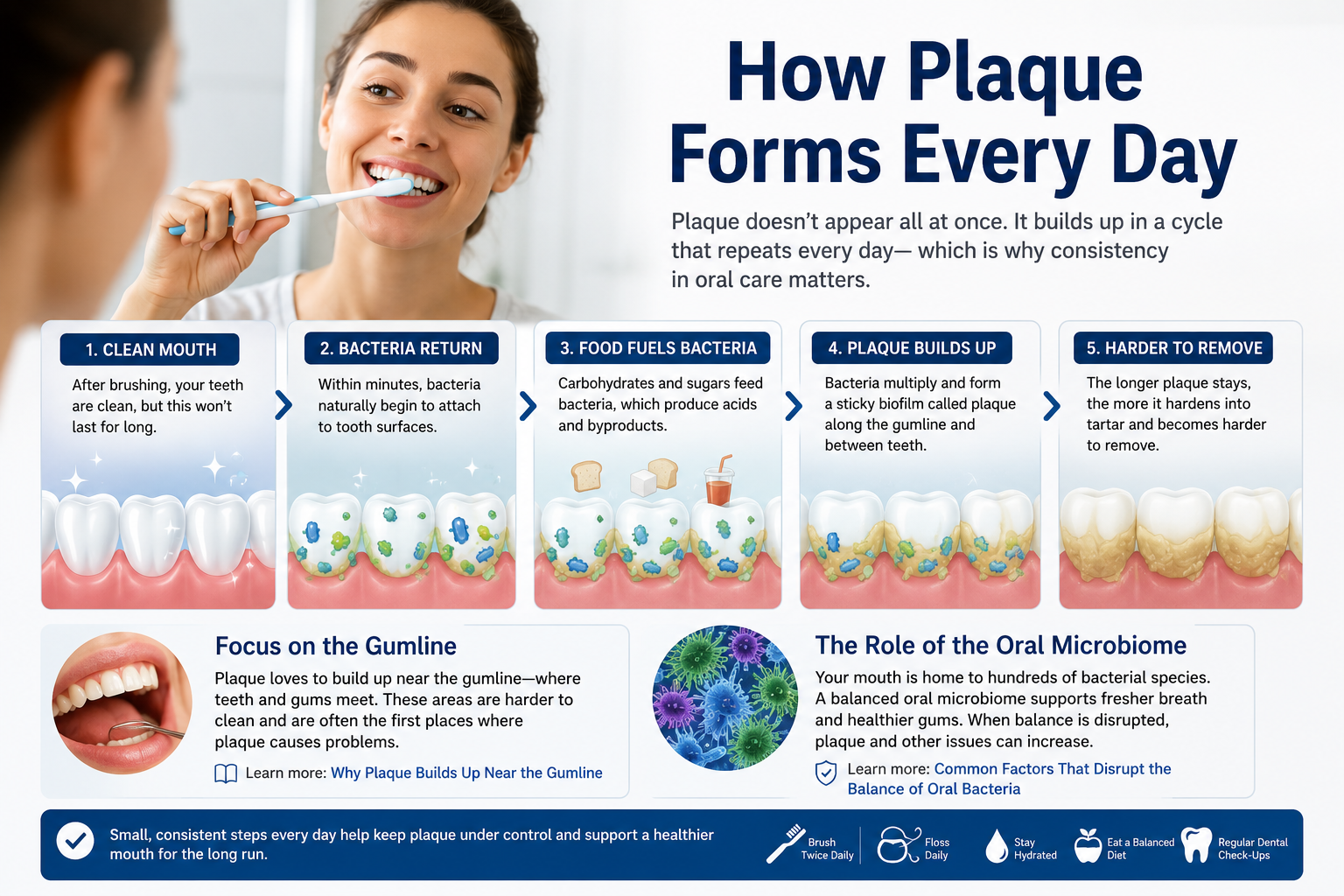
Understanding plaque formation helps explain why consistency matters so much.
Plaque Begins Forming Soon After Cleaning
The mouth contains hundreds of bacterial species.
Shortly after brushing, bacteria naturally begin attaching to tooth surfaces again. This process is normal and occurs in virtually everyone.
Food Provides Fuel for Bacterial Activity
When carbohydrates and sugars are consumed, oral bacteria metabolize these substances and produce byproducts.
Over time, bacterial communities organize into structured biofilms commonly referred to as plaque.
Plaque Accumulates Continuously
Because plaque formation is ongoing, occasional aggressive cleaning cannot fully compensate for days of inconsistent oral care.
Small amounts removed daily are generally easier to manage than large accumulations addressed infrequently.
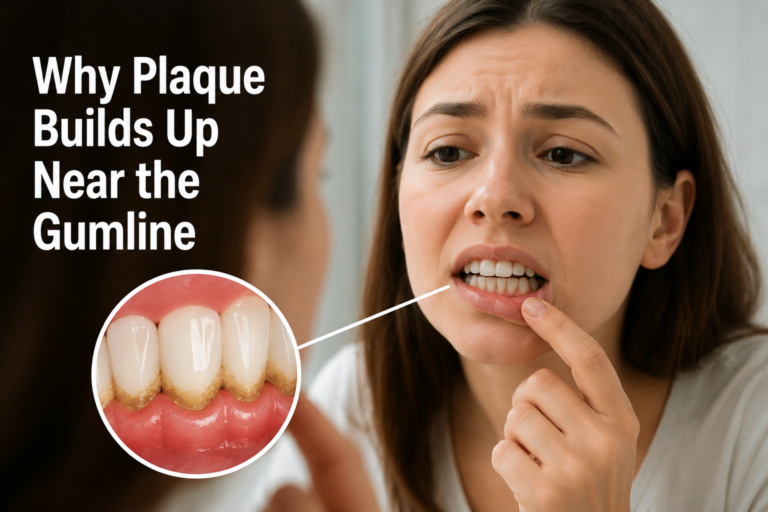
For a deeper explanation, see Why Plaque Builds Up Near the Gumline and how plaque tends to accumulate in areas that are naturally more difficult to clean.
The Role of the Oral Microbiome
Modern research increasingly focuses on the oral microbiome—the community of microorganisms that naturally live in the mouth.
A balanced microbial environment may support fresher breath and healthier oral tissues. When microbial balance shifts, plaque accumulation and other oral concerns may become more noticeable.
Learn more about common factors that disrupt the balance of oral bacteria
Understanding the common factors that disrupt the balance of oral bacteria can help you make better daily oral care decisions and support long-term gum health.
Benefits of Consistent Oral Hygiene
Consistency offers several advantages that aggressive cleaning often cannot provide.
May Help Reduce Plaque Accumulation
Regular brushing and interdental cleaning disrupt plaque before it matures into more complex biofilms.
This preventive approach is generally easier than attempting to remove heavy buildup later.
May Support Healthier Gums
Healthy gums benefit from steady plaque control.
Research frequently associates consistent oral hygiene habits with improved gum health indicators compared with irregular care patterns.
May Help Maintain Fresher Breath
Bad breath is often linked to bacterial activity within the mouth.
A consistent routine may help reduce the accumulation of food debris and bacterial byproducts associated with unpleasant odors.
For additional information, explore the relationship between oral microbiome and breath
Supporting a balanced oral microbiome may also improve breath freshness. Learn how Dental Pro 7 for bad breath complements consistent daily oral hygiene.
Easier to Maintain Long Term
One of the greatest strengths of consistency is practicality.
Most people can sustain a moderate routine far more easily than an aggressive one that causes discomfort or frustration.
Supporting Gum Health
Some individuals also explore oral probiotics as part of a broader oral wellness routine.
Learn more about how oral probiotics may support healthier gums
Learn how the benefits of Dental Pro 7 oral probiotic support may help maintain microbial balance as part of a comprehensive oral hygiene routine.
Common Signs You May Be Cleaning Too Aggressively
Many people are unaware that they may be overdoing their oral hygiene routine.
Sore or Tender Gums
Discomfort after brushing may indicate excessive pressure or improper technique.
Frequent Bleeding During Brushing
While bleeding can be associated with gum inflammation, brushing forcefully may also contribute to irritation.
Increased Tooth Sensitivity
Sensitivity near the gumline may sometimes be associated with enamel wear or gum recession.
Visible Wear Near the Gumline
Dental professionals occasionally observe abrasion patterns where excessive brushing pressure has been applied repeatedly over time.
Oral Hygiene Feels Uncomfortable
A good routine should generally feel manageable and sustainable.
Persistent discomfort may be a signal to evaluate brushing pressure, tool selection, or technique.
Gentle Techniques That May Be More Effective
Gentle does not mean ineffective.
In many cases, gentle techniques allow for more thorough and consistent cleaning.
Use a Soft-Bristled Toothbrush
Soft bristles are widely recommended because they can clean effectively while minimizing unnecessary irritation.
Use Small Circular Motions
Short circular movements often provide better control than aggressive back-and-forth scrubbing.
Let the Bristles Do the Work
Many people apply more pressure than necessary.
A light grip on the toothbrush handle may help reduce excessive force.
Clean Between Teeth Carefully
Whether using floss or interdental brushes, controlled movements may improve comfort and encourage long-term adherence.
Focus on Consistency Rather Than Intensity
The most effective routine is usually the one that can be maintained comfortably every day.
Supporting Oral Health Beyond Brushing
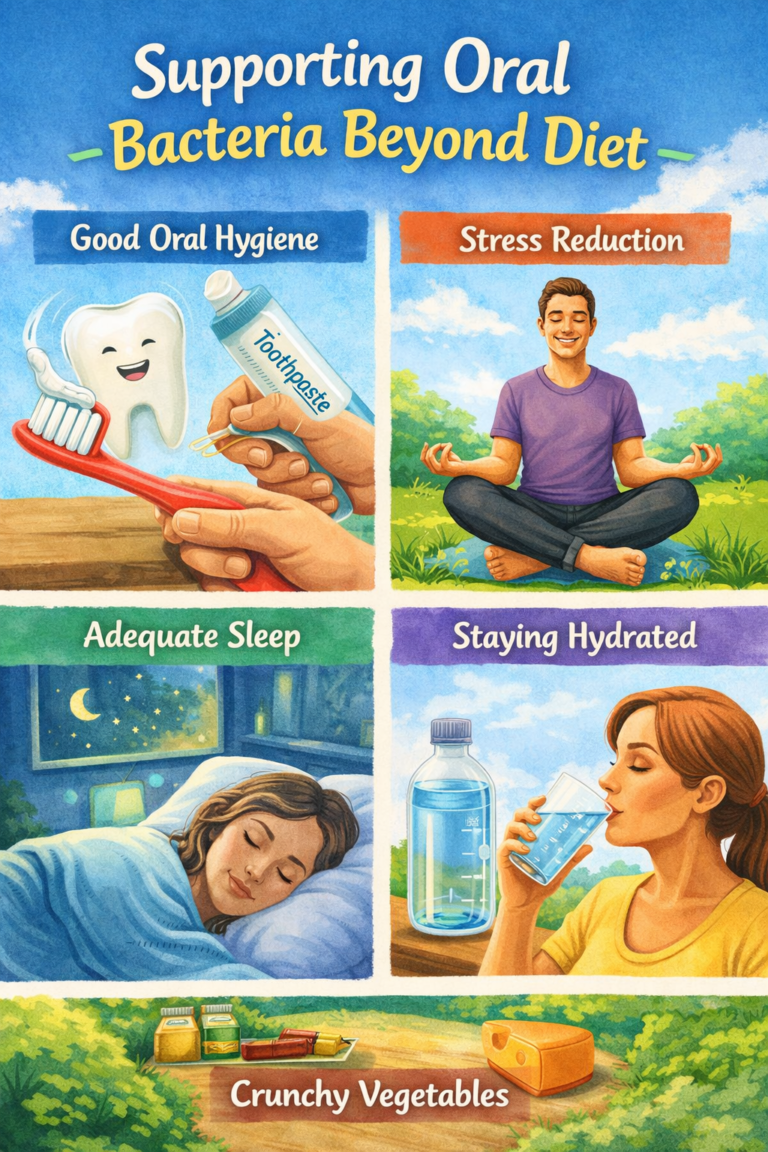
Brushing is important, but it is only one piece of the oral health picture.
Saliva Plays a Critical Role
Saliva helps wash away food particles, supports oral tissues, and contributes to microbial balance.
Research suggests that reduced saliva flow may influence plaque accumulation and oral comfort.
Learn more about saliva and oral microbiome balance
Stay Hydrated
Adequate hydration may help support normal saliva production throughout the day.
Choose Foods That Support Oral Health
Limiting frequent sugar exposure may help reduce conditions that favor excessive plaque accumulation.
Crunchy vegetables, fiber-rich foods, and balanced nutrition can contribute to a healthier oral environment.
Support a Balanced Oral Microbiome
The goal is not to eliminate all oral bacteria.
Daily oral hygiene supports beneficial bacteria while helping prevent excessive growth of plaque-forming microorganisms that may affect gum health.
Many bacterial species perform beneficial functions within the mouth. Modern oral health research increasingly focuses on maintaining microbial balance rather than simply removing bacteria indiscriminately.
According to studies indexed in PubMed, a balanced oral microbiome is associated with healthier oral ecosystems and may contribute to better overall oral wellness.
Educational Resource
Some individuals interested in oral microbiome support explore oral probiotics, tongue scrapers, or xylitol-containing products as part of a broader oral care strategy.
You can learn more about these tools and determine whether they may fit your personal oral hygiene routine
People interested in supporting long-term oral health often compare oral probiotics, botanical ingredients, and microbiome-focused oral care products before making a decision complete Dental Pro 7 review
Conclusion
Oral health is rarely built through occasional bursts of intense cleaning.
Instead, it is usually the result of small habits repeated consistently over time. Plaque forms every day, which means daily management is often more effective than aggressive efforts performed sporadically.
Gentle brushing, daily interdental cleaning, proper hydration, and support for a balanced oral microbiome may all contribute to healthier teeth, gums, and fresher breath.
Maintaining a consistent routine is often more sustainable than relying on occasional intensive cleaning sessions, helping support healthier teeth and gums over time.
For many people, consistency is not simply easier—it may also be the more effective long-term strategy.
FAQ
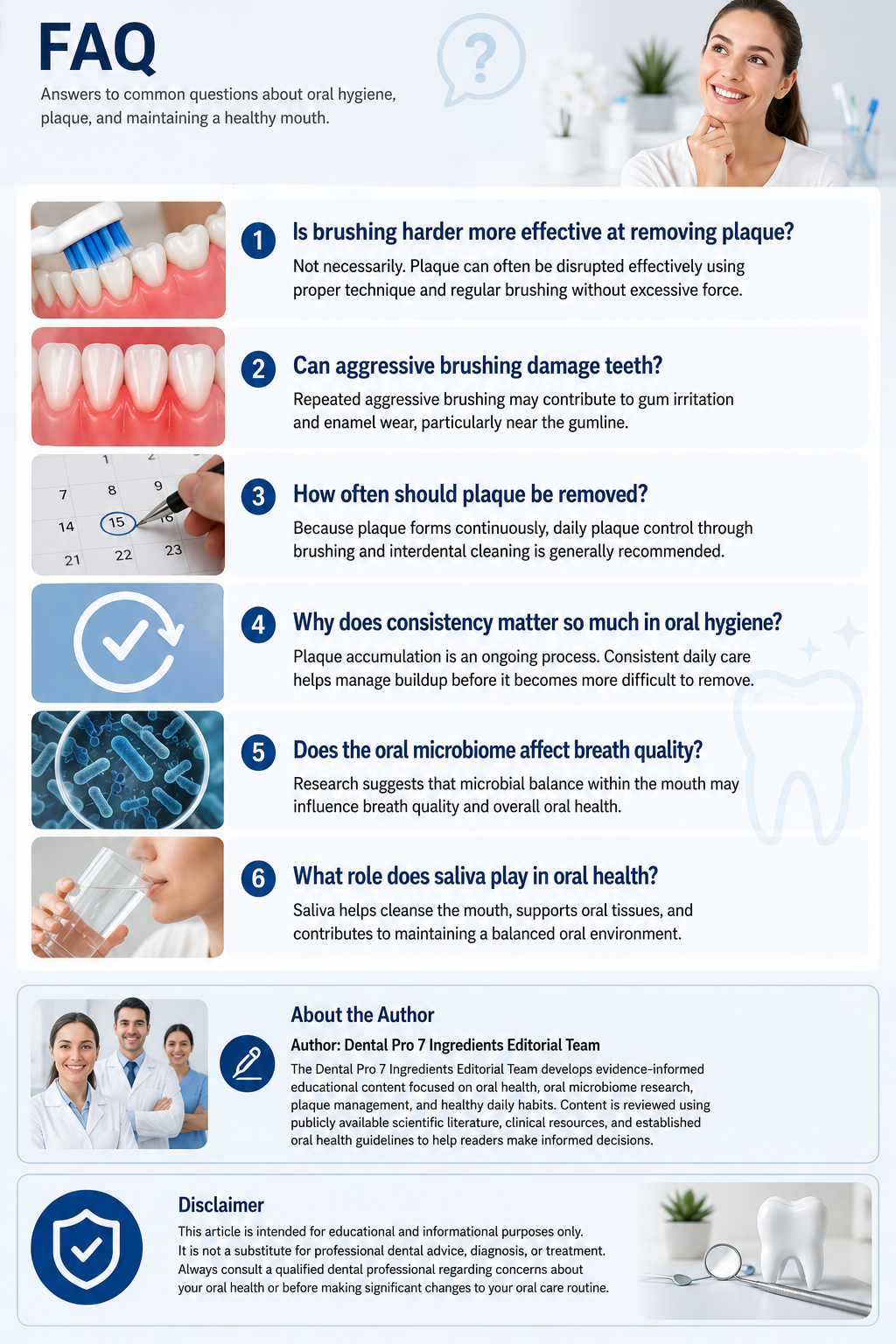
Is brushing harder more effective at removing plaque?
Not necessarily. Plaque can often be disrupted effectively using proper technique and regular brushing without excessive force.
Can aggressive brushing damage teeth?
Repeated aggressive brushing may contribute to gum irritation and enamel wear, particularly near the gumline.
How often should plaque be removed?
Because plaque forms continuously, daily plaque control through brushing and interdental cleaning is generally recommended.
Why does consistency matter so much in oral hygiene?
Plaque accumulation is an ongoing process. Consistent daily care helps manage buildup before it becomes more difficult to remove.
Does the oral microbiome affect breath quality?
Research suggests that microbial balance within the mouth may influence breath quality and overall oral health.
What role does saliva play in oral health?
Saliva helps cleanse the mouth, supports oral tissues, and contributes to maintaining a balanced oral environment.
About the Author
Author: Dental Pro 7 Ingredients Editorial Team
The Dental Pro 7 Ingredients Editorial Team develops evidence-informed educational content focused on oral health, oral microbiome research, plaque management, and healthy daily habits. Content is reviewed using publicly available scientific literature, clinical resources, and established oral health guidelines to help readers make informed decisions.
Disclaimer
This article is intended for educational and informational purposes only. It is not a substitute for professional dental advice, diagnosis, or treatment. Always consult a qualified dental professional regarding concerns about your oral health or before making significant changes to your oral care routine.