Water Flossers and Gum Care: What Users Should Know
Water Flossers and Gum Care: What Users Should Know
Water Flossers and Gum Care: Last Updated: September 15, 2026 · 9 min read
A surprising number of people try a water flosser because traditional floss feels inconvenient, uncomfortable, or difficult to use consistently.
The experience can be encouraging. The mouth may feel cleaner, food particles can disappear from hard-to-reach areas, and the gums may feel fresher.
Yet one important question remains:
Does a cleaner feeling automatically mean healthier gums?
The answer requires a closer look.
Water flossers have become popular additions to oral hygiene routines. They can be useful for people with braces, dental bridges, implants, or sensitive gums.
However, a water flosser works best as part of a complete gum care routine. Understanding its benefits and limitations can help users develop realistic expectations.
This article explores how water flossers fit into daily gum care. It also explains their relationship with plaque, oral biofilm, gum inflammation, saliva, and the oral microbiome.
What Is a Water Flosser?
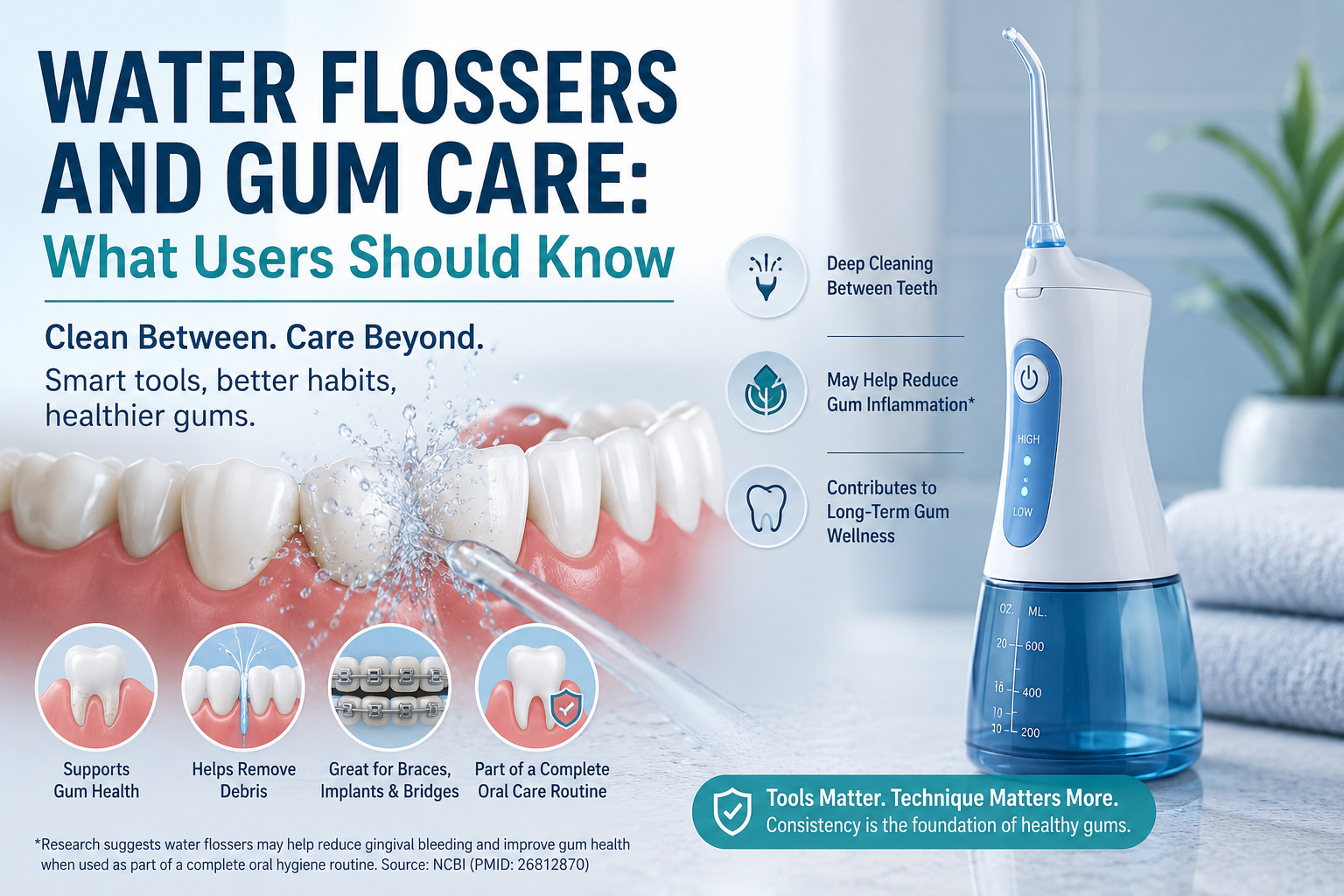
A water flosser is an oral hygiene device that uses a controlled stream of water to clean between teeth and along the gumline.
Unlike traditional string floss, which provides direct mechanical contact with tooth surfaces, a water flosser uses pulsating water pressure.
The water stream can help flush away loose debris and reach areas that may be difficult to access with a toothbrush.
The concept is straightforward, but its role in oral hygiene deserves a closer look.
A water flosser is more than a food-removal tool. It can also help disturb bacterial deposits around teeth and gums.
These bacterial communities are commonly known as oral biofilm.
Readers who want to understand this process can explore oral biofilm explained: how plaque forms on teeth and gums for additional information about plaque formation and bacterial accumulation.
Why Gum Health Depends on More Than Clean Teeth
A clean-looking smile does not always reflect the condition of the gumline.
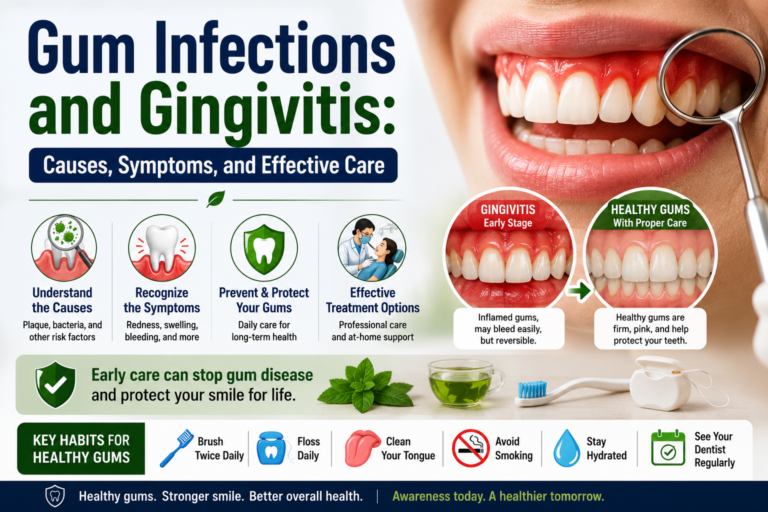
Gum tissues respond to bacterial activity at a microscopic level. Inflammation can develop along the gumline even when teeth appear relatively clean.
Organizations such as the American Dental Association (ADA) and research indexed through PubMed recognize plaque accumulation as an important factor in gum inflammation.
This makes effective daily cleaning an important part of gum care.
The Difference Between Food Debris and Biofilm
This distinction is important when evaluating water flossers.
Food debris is usually temporary. Brushing, rinsing, or water flossing can help remove loose particles.
Biofilm behaves differently.
Biofilm consists of organized bacterial communities attached to tooth surfaces. These communities develop within a structured matrix and become more difficult to remove as they mature.
This explains why the mouth may feel very clean after water flossing while some plaque remains attached to teeth.
The sensation of cleanliness and effective plaque control are related, but they represent different outcomes.
Looking for additional gum health support?
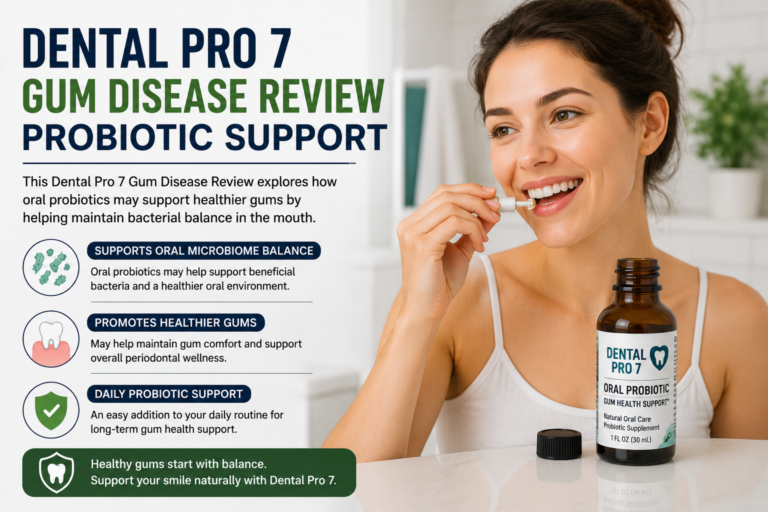
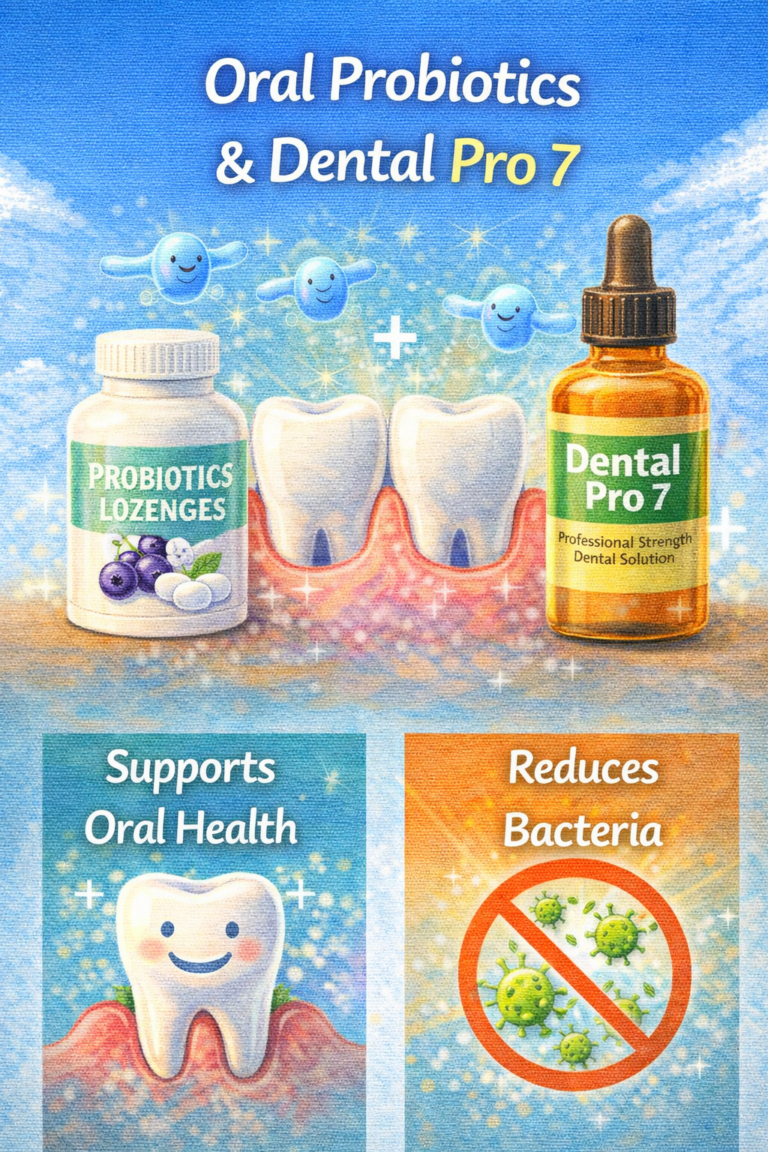
Dental Pro 7 is a natural oral care option marketed to support oral cleanliness and gum health as part of a consistent daily routine.
👉 Explore Dental Pro 7 and learn more about its approach to everyday oral care.
Get Dental Pro 7 and view the current product details
How Water Flossers May Support Gum Care
Research suggests that water flossers may help reduce bleeding and support healthier gums when used consistently with other oral hygiene practices.
Several factors may explain these potential benefits.
Reaching Areas Traditional Brushing Misses
Toothbrush bristles primarily clean exposed tooth surfaces.
Spaces between teeth and shallow areas around the gumline can be more difficult to reach with brushing alone.
A water flosser directs a stream of water into these areas. This can help remove loose debris and disturb bacterial accumulation.
For people concerned about gum recession, careful plaque control around the gumline is especially important. Our guide to Dental Pro 7, receding gums, and oral health explains common causes of recession and practical approaches to supporting gum health.
Supporting Interdental Cleaning
Interdental cleaning involves removing plaque and debris from between teeth.
These spaces can collect plaque because toothbrush bristles often cannot reach them completely.
Regular interdental cleaning supports better plaque control and may contribute to healthier gums.
Encouraging Consistency
Adherence is an important part of oral health.
A cleaning method that someone uses consistently can provide greater practical value than a method that rarely becomes part of their routine.
For people who find traditional floss difficult to use, a water flosser can provide another practical approach to interdental cleaning.
Helpful Oral Care Resources
A complete gum care routine involves more than one tool.
Readers looking for practical daily strategies can explore how to maintain healthy gums: simple daily habits for better oral health for guidance on brushing, interdental cleaning, hydration, and other habits.
People with gum sensitivity can also compare toothbrush options in our guide to soft-bristled toothbrush vs. hard bristles for gum health.
A Practical Oral Care Option
Readers interested in additional oral care products can explore:
The most important consideration is choosing tools that support a routine you can maintain consistently.
Situations Where Traditional Floss May Still Be Useful
Water flossers and traditional floss serve different purposes.
Traditional floss provides direct mechanical contact with tooth surfaces. This action can help remove plaque that adheres closely between teeth.
Water flossers use pulsating water to flush debris and reach certain areas around restorations, implants, and orthodontic appliances.
Some individuals may prefer one method. Others may benefit from combining both approaches.
The most suitable strategy can depend on tooth spacing, gum condition, dexterity, dental appliances, and personal preference.
Common Mistakes That Reduce Water Flosser Effectiveness
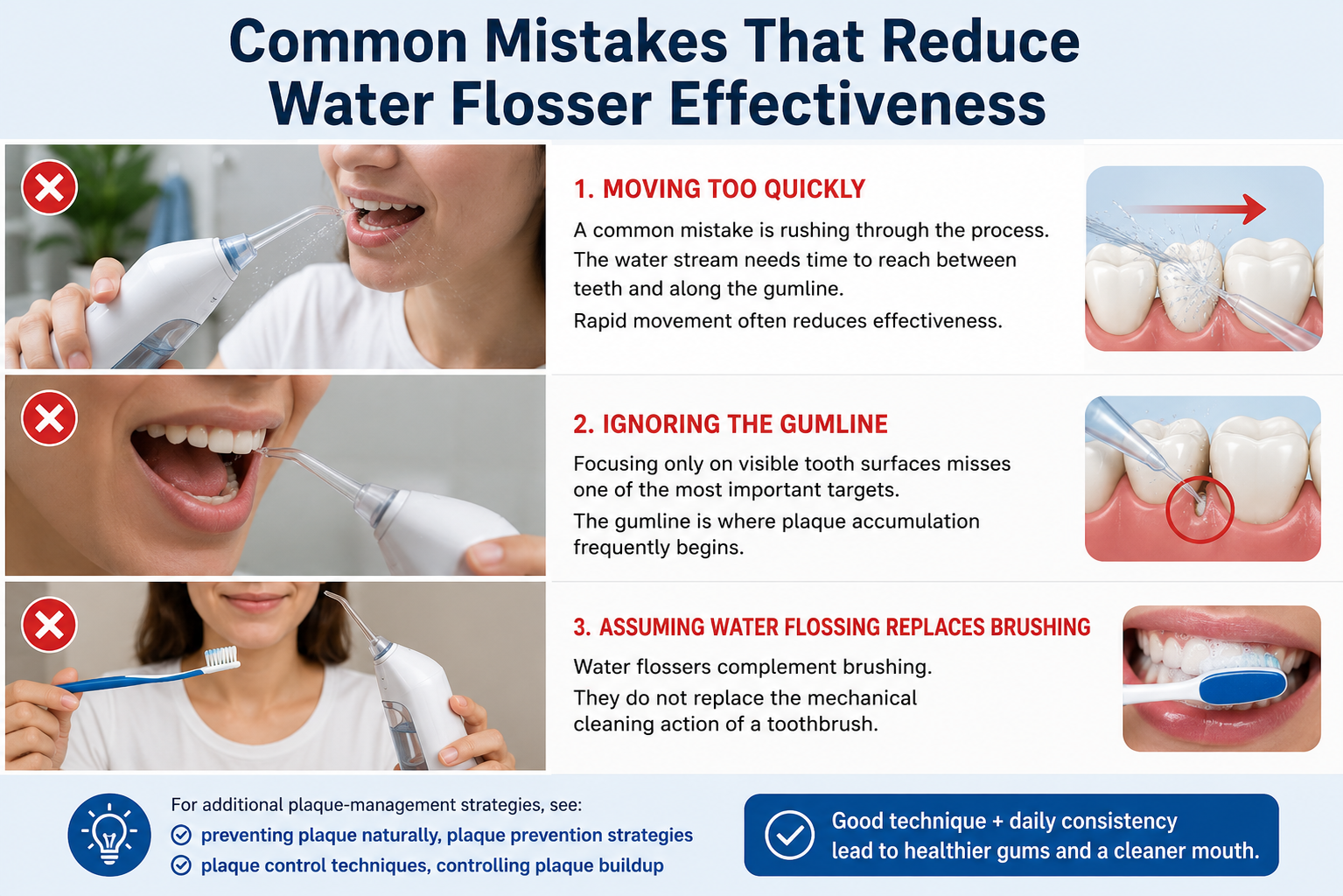
A water flosser can support oral hygiene, but technique matters.
Moving Too Quickly
Rushing through the process can limit how effectively the water reaches between teeth and along the gumline.
Move the tip slowly from one area to another. Give the water stream enough time to reach each space.
Ignoring the Gumline
The gumline is an important target during interdental cleaning.
Focusing only on visible tooth surfaces can leave areas around the gums less thoroughly cleaned.
Our article on why plaque builds up near the gumline explains why this area can be especially prone to plaque retention.
Assuming Water Flossing Replaces Brushing
Water flossers complement brushing.
Toothbrushes provide mechanical cleaning across tooth surfaces. A complete routine therefore combines brushing with interdental cleaning.
Readers interested in additional plaque-management strategies can explore preventing plaque naturally: simple ways to keep teeth clean.
You can also learn more about plaque control techniques for practical approaches to managing plaque buildup.
Why Gums May Feel Sensitive During the First Weeks
Some new users notice temporary gum sensitivity after introducing a water flosser.
This experience can occur for several reasons.
Inflamed gum tissue may react more noticeably when cleaning habits change. As the routine becomes consistent, the mouth may gradually adapt to the new cleaning pattern.
Water pressure also influences comfort.
Starting with a lower pressure setting can make the experience easier. Users can adjust the pressure gradually according to personal comfort and product instructions.
The way gum tissue responds to daily habits also matters. Our guide to how gum tissue responds to daily oral hygiene habits provides additional context about brushing, cleaning pressure, and everyday gum care.
Persistent pain, swelling, or bleeding deserves professional dental evaluation.
Water Flossers, Morning Breath, and Tongue Bacteria
Morning breath can involve several factors.
During sleep, saliva production decreases. Bacteria can also accumulate on the tongue and around the teeth.
Common contributors include:
- Reduced saliva production
- Bacterial activity on the tongue
- Oral biofilm accumulation
- Gum inflammation
- Dry mouth
Water flossers can support interdental cleaning. Removing debris between teeth may reduce one potential source of odor.
However, breath freshness also involves tongue hygiene, saliva flow, gum health, and the broader oral environment.
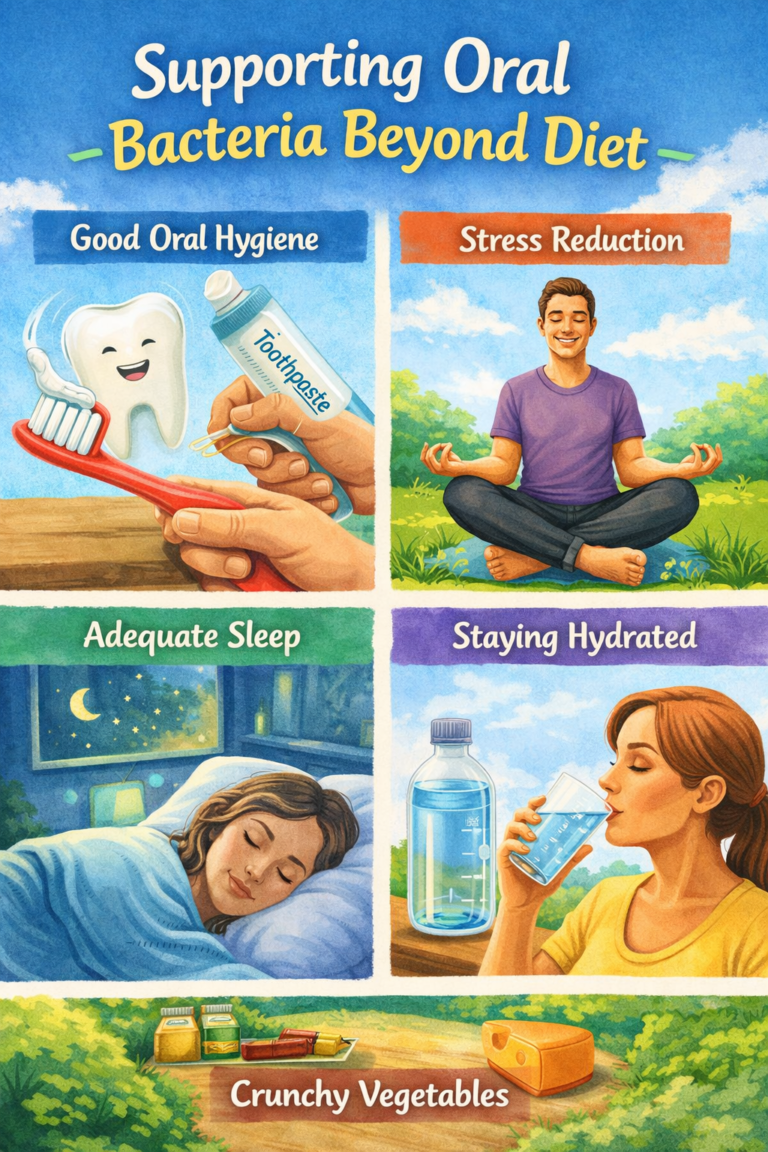
A complete routine may include tongue cleaning, tooth brushing, interdental care, hydration, and professional dental care.
Readers interested in bacterial balance can explore oral microbiome and dental health: why bacteria balance matters.
Another useful resource is how to improve oral microbiome naturally: simple tips for better oral health.
The Role of Saliva in Natural Gum Protection
Saliva plays an important role in everyday oral health.
It helps neutralize acids, wash away loose particles, support microbial balance, and protect oral tissues.
When saliva production decreases, plaque accumulation and breath odor can become more noticeable.
Water flossers can assist mechanical cleaning. Saliva continues to provide biological protection that an oral hygiene device cannot replace.
Readers interested in this topic can explore why saliva plays an important role in oral health for a closer look at saliva and the mouth’s natural defenses.
Water Flossers and the Oral Microbiome
The oral microbiome is the diverse ecosystem of microorganisms living inside the mouth.
Not all oral bacteria have the same role.
A healthy oral environment depends on a balanced relationship between microorganisms and oral tissues.
Water flossers may help reduce bacterial accumulation in certain areas. However, gum health depends on several factors, including oral hygiene, diet, saliva production, and overall health.
Supportive strategies include consistent oral hygiene and learning about approaches that may support beneficial oral bacteria.
Exploring Additional Oral Care Options
Some readers also explore products designed to support daily oral hygiene.
Callnature – Dental Pro 7 is one example of a botanical oral care product marketed for oral cleanliness and gum health.
Oral Care Products on Amazon can provide access to other tools that may complement daily cleaning.
These products work best alongside consistent oral hygiene habits.
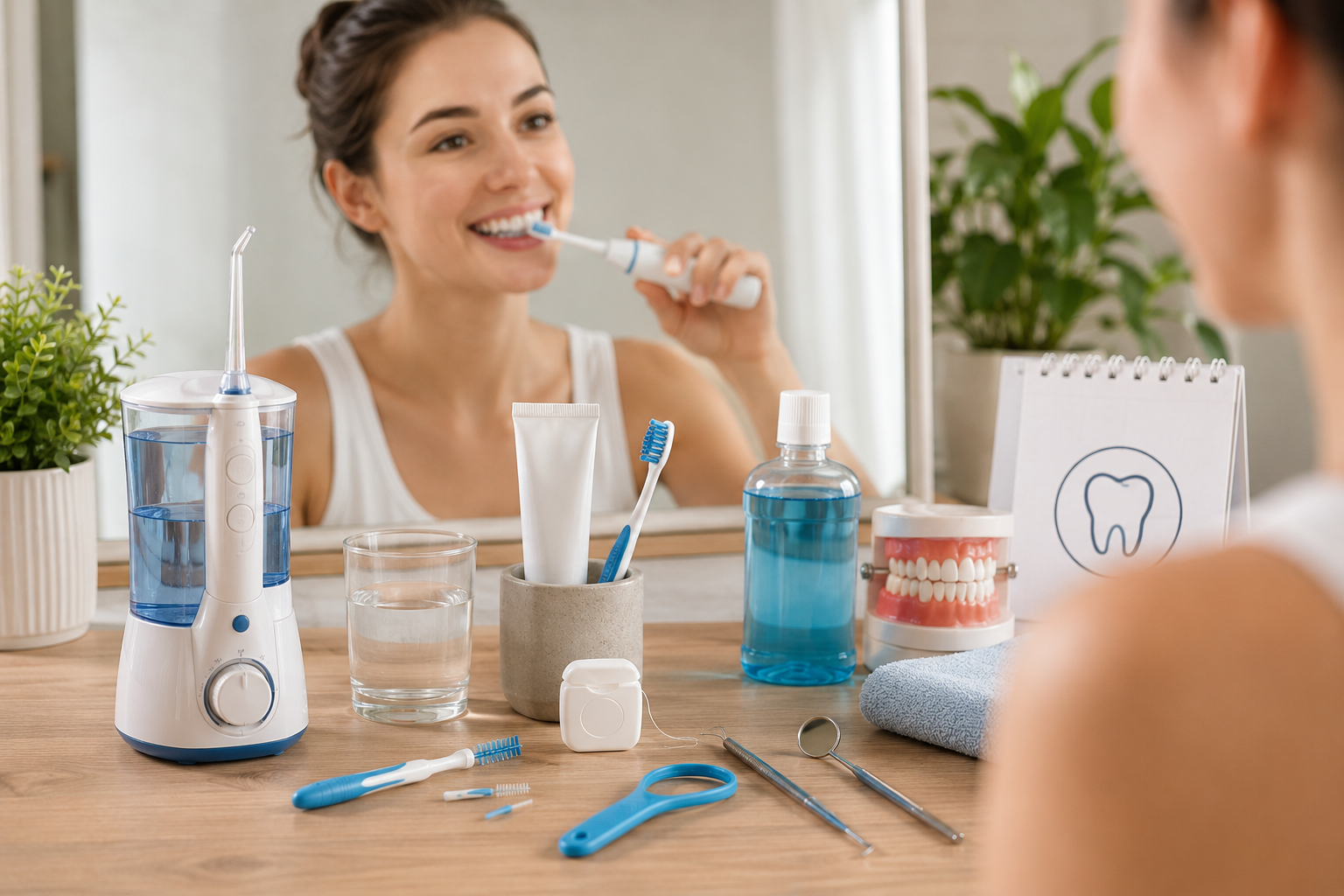
Building a Complete Gum Care Routine
Water flossers work best when they form part of a broader oral hygiene strategy.
A practical routine may include:
- Brushing twice daily with a soft-bristled toothbrush
- Regular interdental cleaning
- Tongue cleaning
- Adequate hydration
- Routine dental examinations
- Consistent plaque control
- Attention to overall gum health
Readers looking for broader guidance can visit the Oral Health Resource Center for additional educational resources.
It is also useful to understand what healthy gums usually look like. Knowing your normal gum appearance can make changes easier to recognize.
The goal is effective plaque control and a healthy oral environment.
When Should You See a Dental Professional?
Early evaluation can be useful when gum symptoms continue despite consistent home care.
Consider scheduling a dental examination if you notice:
- Recurrent bleeding gums
- Persistent swelling
- Ongoing tenderness
- Gum recession
- Chronic bad breath
- Loose teeth
Swollen gums can have several possible causes. Readers experiencing persistent swelling can review swollen gums: causes, symptoms, and solutions for oral health for additional educational information.
Professional assessment can help identify gum disease and other conditions that require targeted care.
Early attention can also help protect gum tissue and maintain the structures supporting the teeth.
FAQ: Water Flossers and Gum Care
Can a water flosser replace regular floss?
Water flossers and traditional floss work differently.
Some people prefer one method. Others find that combining both approaches provides more complete interdental cleaning.
Does a water flosser remove plaque?
A water flosser can help disrupt and reduce plaque accumulation.
Results depend on technique, frequency, tooth anatomy, and the rest of the user’s oral hygiene routine.
Why do my gums bleed when I start using a water flosser?
Bleeding can occur when gum tissue is inflamed.
Consistent gentle cleaning may support better plaque control. Persistent or heavy bleeding should be evaluated by a dental professional.
Can water flossers help with morning breath?
Water flossers can help remove debris and bacterial accumulation between teeth.
Morning breath also involves tongue bacteria, saliva flow, oral biofilm, and gum health.
A complete routine addresses these factors together.
Are water flossers suitable for sensitive gums?
Many people with sensitive gums use water flossers comfortably.
Starting with a lower pressure setting can make the experience easier. Follow the product instructions and adjust the setting according to comfort.
How can water flossing support people with gum recession?
People with gum recession need careful plaque control around exposed areas.
A water flosser may assist interdental cleaning. Our guide to Dental Pro 7, receding gums, and oral health provides additional information about gum recession and broader gum care.
Can water flossers help with swollen gums?
Water flossing may support plaque and debris removal around the gumline.
However, persistent swelling can have several causes. A dental professional can help determine the appropriate care.
References: Water Flossers and Gum Care
- American Dental Association (ADA)
- National Institutes of Health (NIH)
- National Center for Biotechnology Information (NCBI)
- PubMed Research Database
- Centers for Disease Control and Prevention (CDC)
- Mayo Clinic Oral Health Resources
- Cleveland Clinic Dental Health Resources
- Peer-reviewed research on interdental cleaning and periodontal health
About the Author
Dental Pro 7 Ingredients Editorial Team
The Dental Pro 7 Ingredients Editorial Team focuses on evidence-based oral health education.
Content covers oral hygiene, plaque management, gum wellness, and emerging research related to the oral microbiome.
Articles are developed using scientific literature, public health resources, and established dental references to help readers make informed decisions about oral care.
Disclaimer: Water Flossers and Gum Care
This article provides educational information about water flossers and gum care.
It does not replace professional dental diagnosis, treatment, or individualized recommendations.
Consult a qualified dental professional regarding persistent bleeding, swelling, pain, gum recession, or other ongoing oral health concerns.