


Oil Pulling Gum Disease Support — Evidence and Best Practice
February 14, 2026 | by syukr.adiwirya
Oil Pulling Gum Disease: Oil pulling has gained global popularity as a natural oral care technique, especially among people seeking supportive strategies for gum health. The practice involves swishing oil in the mouth for several minutes to help reduce debris and bacteria. But does oil pulling for gum disease support actually have scientific backing — and how should it be used correctly?
Dental and public health authorities such as the National Institute of Dental and Craniofacial Research (nidcr.nih.gov) and the Centers for Disease Control and Prevention (cdc.gov) emphasize that gum disease is primarily caused by plaque biofilm and harmful bacteria along the gumline. Mechanical plaque removal remains the primary treatment approach. However, several clinical and laboratory studies indexed in ncbi.nlm.nih.gov suggest oil pulling may offer supportive benefits when combined with standard oral hygiene.
This guide explains how oil pulling works, what research says, correct technique, safety considerations, and how oil-based gum care approaches fit into a modern routine.
What Is Oil Pulling?
Oil pulling is an oral hygiene practice that involves swishing edible oil in the mouth for an extended period and then spitting it out. Traditional systems used sesame oil, while modern users often prefer coconut oil.
Typical process:
- place oil in mouth
- swish slowly
- pull between teeth
- continue several minutes
- spit out
- rinse and brush
It is sometimes described as oral “detox,” but in dental science terms, the goal is bacterial and debris reduction, not toxin extraction.
How Gum Disease Develops
To understand oil pulling for gum disease support, it helps to review disease progression.
According to cdc.gov and university dental education programs (.edu):
Gum disease begins with:
- plaque accumulation
- bacterial biofilm formation
- gum inflammation (gingivitis)
If untreated:
- pocket formation
- tissue breakdown
- bone loss (periodontitis)
Therefore, any supportive method must either:
- reduce bacteria
- disrupt biofilm
- support inflammation control
Oil pulling may assist with the first two — but cannot treat advanced disease.
Oil Pulling Gum Disease Support Method — What Research Shows
Several small randomized and controlled trials indexed in ncbi.nlm.nih.gov have evaluated oil pulling.
Reported findings include:
- reduced plaque index scores
- reduced gingival index scores
- decreased oral bacterial counts
- improved breath odor
Common study oils:
- coconut oil
- sesame oil
Researchers propose multiple mechanisms rather than a single effect.
Importantly, study authors consistently state oil pulling is adjunctive, not a replacement for brushing and flossing.
Proposed Mechanisms of Action
Dental microbiology researchers (.edu publications) suggest oil pulling may work through:
Mechanical Removal
Extended swishing loosens debris and bacteria.
Lipid Binding
Oil may bind fat-soluble bacterial components.
Emulsification
Swishing turns oil into a thinner emulsion that may penetrate plaque layers.
Lauric Acid Effect (Coconut Oil)
Coconut oil contains lauric acid, which shows antimicrobial activity in lab settings.
These mechanisms are supportive — not curative.
Coconut Oil vs Sesame Oil
Both oils appear in research literature.
Coconut Oil
Advantages:
- pleasant taste
- contains lauric acid
- antimicrobial potential
- widely available
Sesame Oil
Advantages:
- traditional use history
- stable composition
- neutral flavor
No strong evidence proves one is dramatically superior. Consistency matters more than oil type.
Correct Oil Pulling Technique
For oil pulling for gum disease support to be helpful, technique matters.
Step-by-step method:
- Use 1 tablespoon oil
- Swish gently — not aggressively
- Pull between teeth
- Continue 5–10 minutes (beginners start with 3–5)
- Do not swallow
- Spit into trash (not sink — may clog)
- Rinse with water
- Brush normally
Best timing: morning before eating or brushing.
Frequency Recommendations
Supportive schedule:
- once daily for general support
- 3–5 times weekly minimum
- consistent routine preferred
Short, regular sessions beat rare long sessions.
Oil Pulling vs Antimicrobial Mouthwash
ADA-recognized antimicrobial rinses (ada.org) contain active compounds such as essential oil derivatives or chlorhexidine.
Comparison:
Oil pulling:
- natural
- mechanical + lipid action
- slower effect
- supportive
Clinical rinses:
- stronger antimicrobial action
- faster bacterial reduction
- clinically standardized
Many people use both — at different times of day.
Oil-Based Gum Concentrate vs Oil Pulling
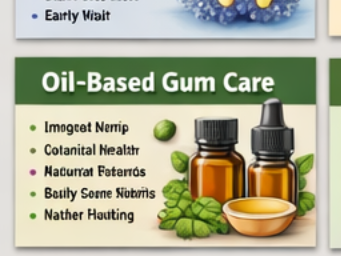
Oil pulling is whole-mouth swishing. A newer approach is oil-based gum concentrate application, where botanical oils are applied directly to the gumline.
Supporters suggest targeted oil-based gum concentrates may:
- increase gum contact time
- reduce dilution by saliva
- deliver botanicals locally
- support gum margin focus
Educational product materials at dentalpro7.com describe oil-based gum concentrate methods intended for targeted gumline care rather than full-mouth swishing. These are positioned as adjunct support tools.
What Dental Authorities Emphasize
Trusted sources agree on key principles:
- plaque removal is essential
- daily hygiene prevents gum disease
- adjunct methods can support outcomes
- antimicrobial approaches help when evidence-based
Oil pulling fits as a supplementary hygiene step — not a treatment.
What Oil Pulling Cannot Do
Oil pulling cannot:
- remove tartar
- treat periodontitis
- reverse bone loss
- eliminate deep pockets
- replace scaling and root planing
- substitute dental visits
Professional care remains necessary.
Safety Considerations
Oil pulling is generally safe for healthy adults, but follow precautions.
Avoid if:
- swallowing difficulty
- aspiration risk
- severe gag reflex
- active oral infection with pain
- recent oral surgery (unless dentist approves)
Never swallow used oil — it contains bacteria and debris.
Children should only attempt under supervision.
Signs Oil Pulling May Be Helping
Possible supportive improvements:
- fresher breath
- less gum redness
- reduced mild bleeding
- cleaner mouth feel
Results usually appear after 2–4 weeks of consistent use.
If symptoms worsen — stop and consult a dentist.
Best Combined Routine for Gum Support
Most effective gum-support routine:
Morning:
- oil pulling
- brush gumline
- floss/interdental clean
Midday:
- water rinse after meals
- xylitol gum
Evening:
- brush
- interdental clean
- essential oil rinse or herbal rinse
- optional oil-based gum concentrate
Consistency is more important than intensity.
When to See a Dentist Instead
Seek professional evaluation if you notice:
- bleeding beyond two weeks
- gum swelling
- gum recession
- loose teeth
- pain
- pus
- bad taste
These may indicate periodontal disease requiring treatment.
✅ FAQ – Oil Pulling Gum Disease Support Method
Q: Does oil pulling cure gum disease?
A: No. It may support bacterial reduction but cannot treat or reverse periodontal disease.
Q: How long should I oil pull?
A: Five to ten minutes is sufficient for supportive benefits.
Q: Should I brush before or after oil pulling?
A: Brush after oil pulling for best hygiene results.
 Gum Health Support Option — Dental Pro 7
 Gum Health Support Option — Dental Pro 7
If you are building a daily natural gum care routine, some people prefer adding an oil-based gum concentrate for longer contact time along the gumline — instead of quick rinse exposure.
Dental Pro 7 is a botanical gum concentrate designed to support gumline care using oil-based delivery and plant-derived compounds.
 Oil-based gum concentrate format
Targets gumline contact area
Botanical ingredient approach
No water dilution required
Easy to apply as part of daily routine
Many natural oral care routines include brushing, interdental cleaning, and optional gum concentrate support.
Checkout Dental Pro 7 Here

Other Articles: Natural Oral Care Routine
RELATED POSTS
View all

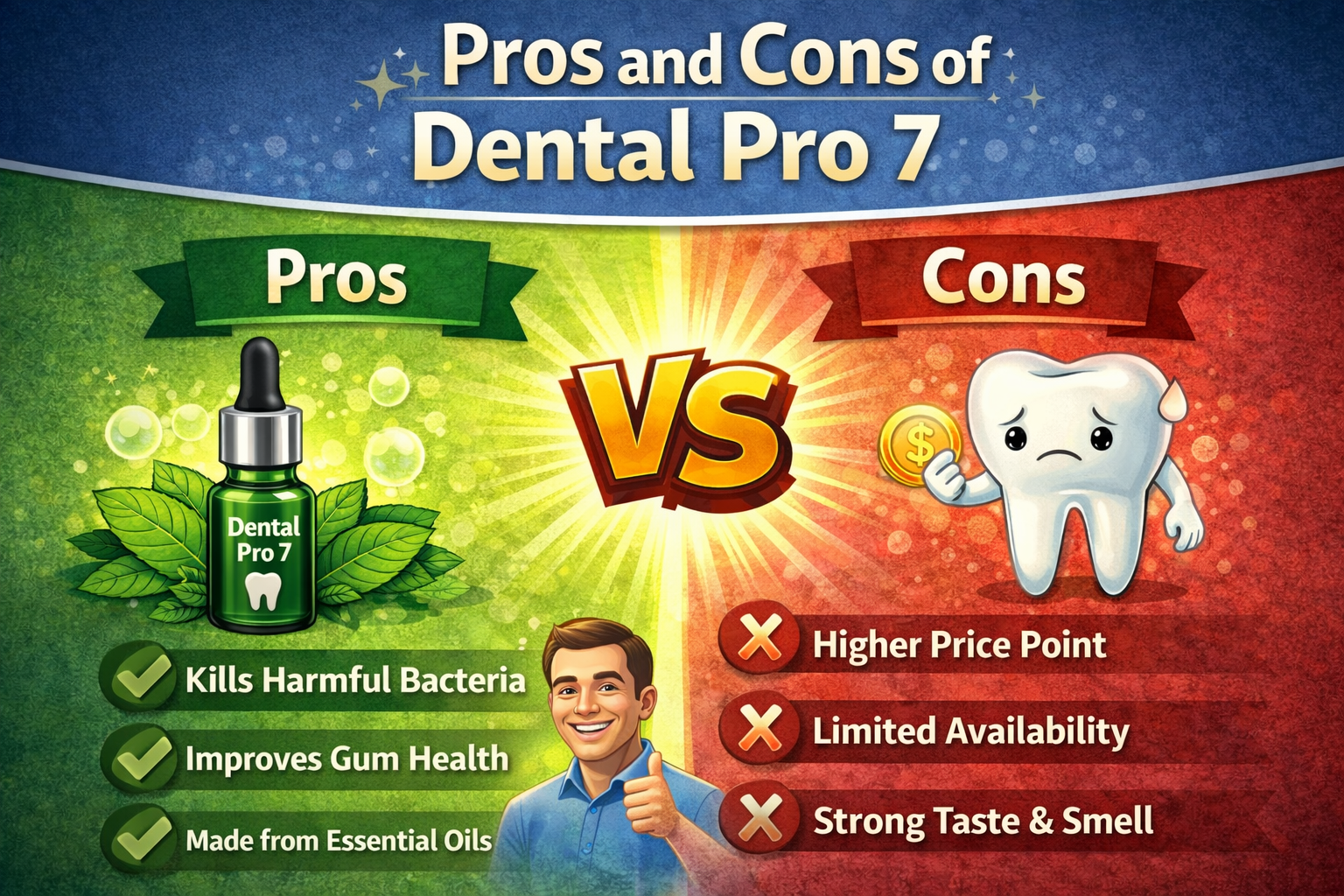
Does Dental Pro 7 Really Work? Honest Review of Results & Benefits
March 16, 2026 | by syukr.adiwirya
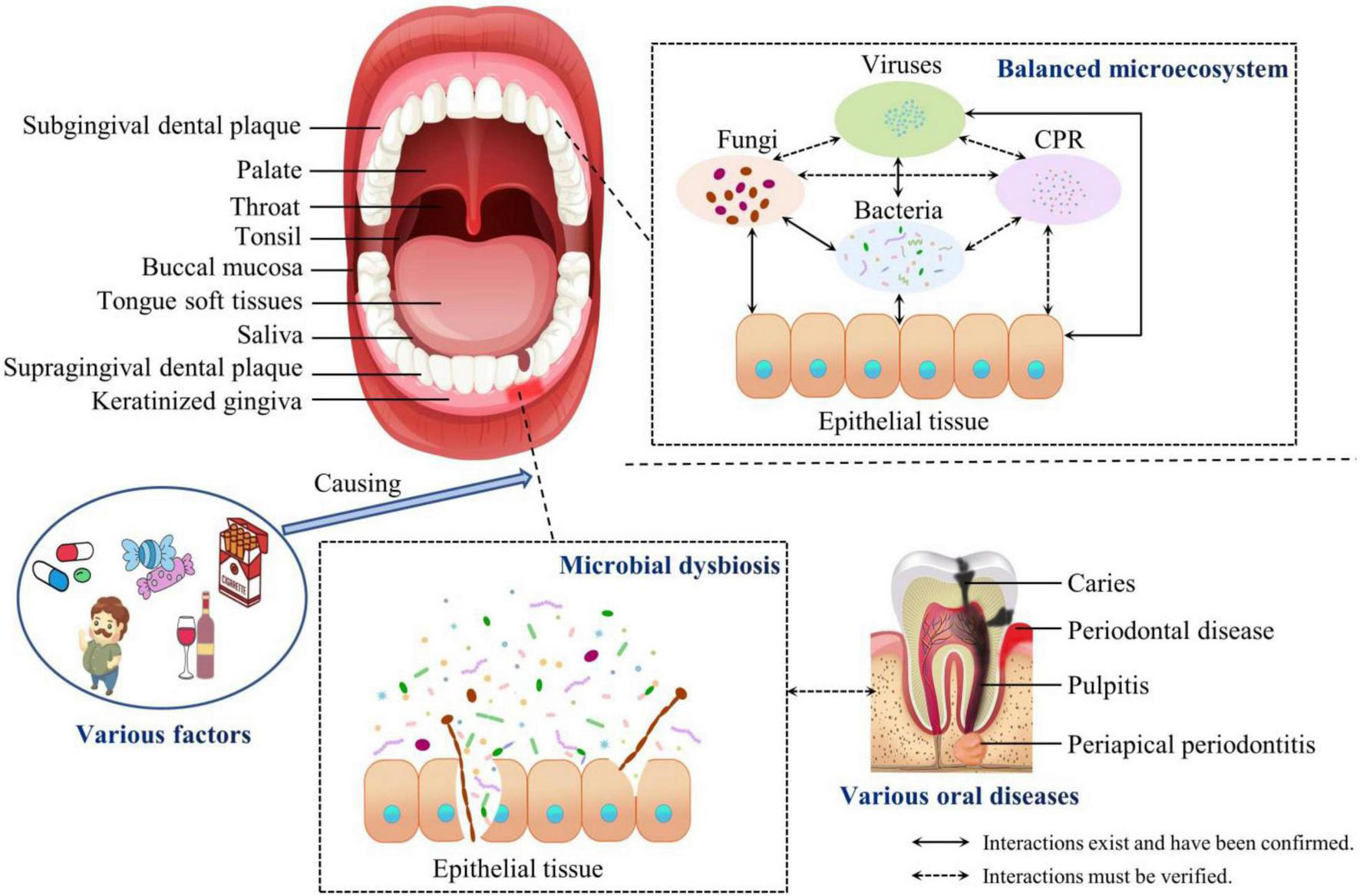
How Dental Pro 7 Helps Gums: Oral Probiotic Support Guide
March 11, 2026 | by syukr.adiwirya
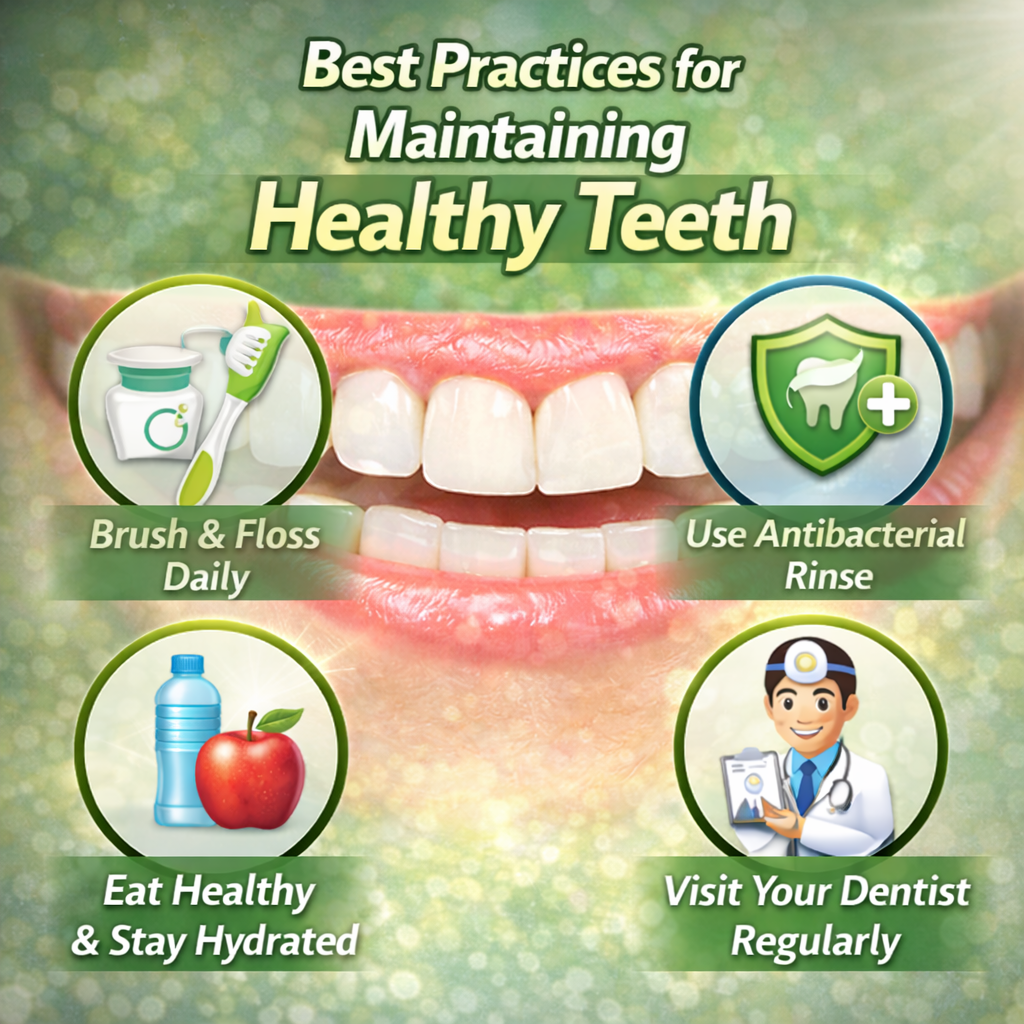
Dental Pro 7 Benefits for Teeth: How Oral Probiotics May Support Dental Health
March 12, 2026 | by syukr.adiwirya