Herbal Mouthwash for Gum Infection Support
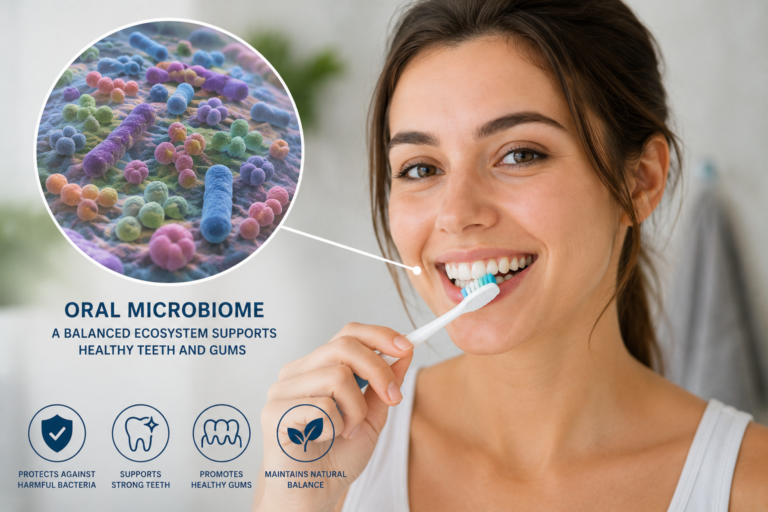
Herbal mouthwash for gum infection support has gained attention among people seeking gentler, plant-based oral care options. Gum infections typically begin when bacterial plaque accumulates along the gumline and triggers inflammation. Early stages may show as redness, swelling, tenderness, or bleeding. While professional dental care is essential for diagnosing and treating true infections, herbal mouthwash options can play a supportive role in daily gum care routines.
According to the National Institute of Dental and Craniofacial Research (nidcr.nih.gov) and the Centers for Disease Control and Prevention (cdc.gov), controlling plaque bacteria is the primary defense against gum disease progression. Mouth rinses — including herbal ones — are considered adjunct tools, not replacements for brushing, flossing, and professional treatment.
This guide explains how herbal mouthwash works, which herbs are research-supported, how oil-based herbal concentrates differ from rinses, and how to use herbal mouthwash safely for gum support.
Understanding Gum Infection vs Gum Inflammation
Dental education programs at major universities (.edu dental schools) distinguish between early gum inflammation (gingivitis) and more advanced infection (periodontitis).
Early signs include:
- bleeding gums
- redness
- swelling
- tenderness
- bad breath
Advanced signs may include:
- gum recession
- deep pockets
- loose teeth
- pus
- pain
Professional dental organizations (.org) emphasize that true gum infections require clinical care, but early inflammation may improve with better hygiene and supportive measures like herbal rinses.
How Herbal Mouthwash Supports Gum Health
Research articles indexed in ncbi.nlm.nih.gov show that many plant extracts contain antimicrobial and anti-inflammatory compounds that can help support oral tissue health.
Herbal mouthwash may help:
- reduce surface bacteria
- support gum comfort
- lower odor compounds
- provide antioxidant effects
- soothe irritated tissue
Effectiveness depends on formulation, concentration, and consistent use.
Herbal Mouthwash for Gum Infection Support — Key Herbs
Several herbs are commonly studied or traditionally used in oral care. University integrative health departments (.edu) and nonprofit herbal research groups (.org) frequently reference these plants.
Sage — Traditional Gum Support Herb
Sage has a long history of oral use in traditional herbal medicine.
Studied properties:
- antimicrobial activity
- anti-inflammatory effects
- astringent action
Sage rinses are often used for:
- irritated gums
- mouth discomfort
- odor control
Simple sage rinse:
- brew strong sage tea
- cool completely
- rinse 30 seconds
- discard
- prepare fresh daily
Chamomile — Soothing Tissue Support
Chamomile is widely recognized in herbal medicine (.org monographs) for calming and soothing properties.
Potential oral benefits:
- anti-inflammatory compounds
- tissue soothing
- antioxidant support
Chamomile rinses are commonly used when gums feel irritated or tender.
Herbal Mouthwash for Gum Infection Support — Myrrh
Myrrh resin extract appears in several traditional oral care preparations and is discussed in herbal pharmacopeia sources (.org references).
Reported properties:
- antimicrobial activity
- gum tissue support
- traditional wound-care use
Myrrh is usually used in properly diluted form within prepared mouthwash formulas — not raw resin.
Clove — Strong Botanical Antimicrobial
Clove has been studied extensively in dental research (.edu dental pharmacology and ncbi-indexed studies).
Active compound:
- eugenol
Observed properties:
- antimicrobial
- mild anesthetic effect
- anti-inflammatory activity
Clove is potent and must be diluted — never used full strength directly on gums.
Green Tea — Polyphenol Support
University research (.edu nutrition and dental departments) has examined green tea polyphenols for oral bacterial control.
Potential benefits:
- antioxidant activity
- bacterial growth reduction
- inflammation pathway moderation
Use as:
- unsweetened beverage
- cooled rinse
Avoid adding sugar.
Alcohol-Free Herbal Mouthwash vs Alcohol-Based
Dental schools (.edu) often caution that alcohol-containing mouthwashes may:
- dry oral tissues
- irritate sensitive gums
- worsen dry mouth
Dry mouth increases bacterial risk.
Most herbal mouthwash products are alcohol-free, making them better suited for long-term supportive use.
Oil-Based Herbal Gum Concentrates
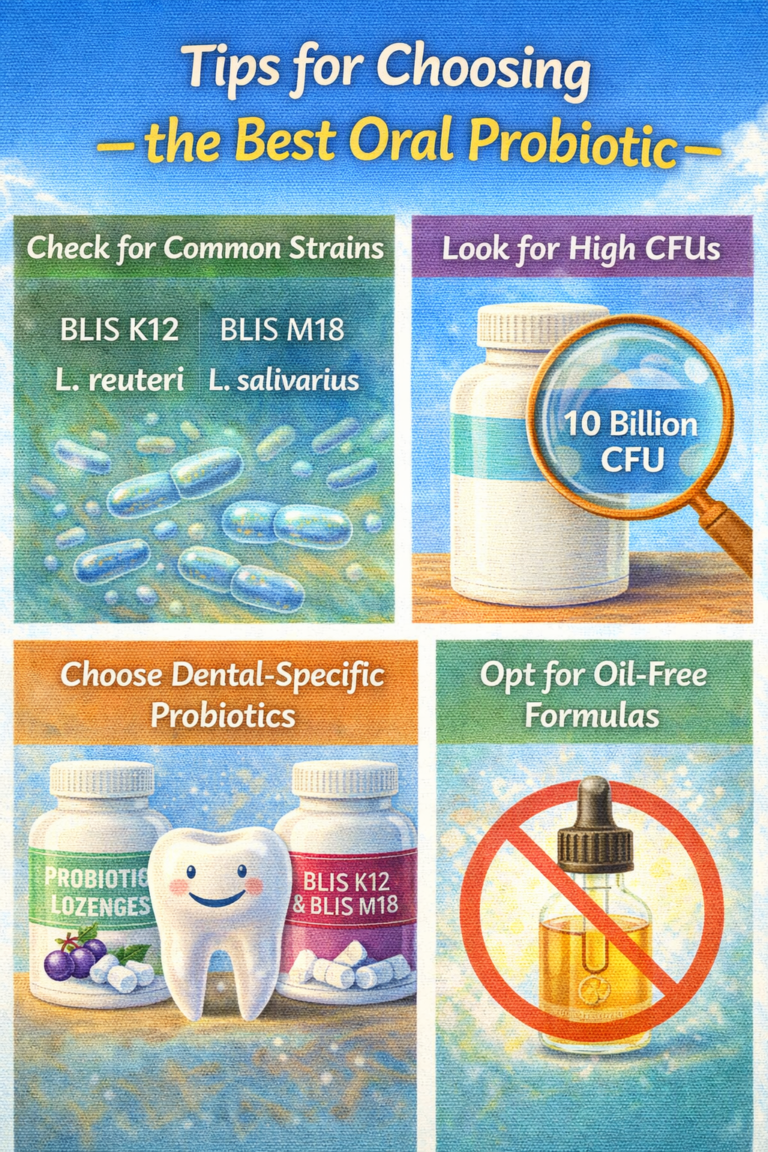
In addition to herbal rinses, some gum care products use oil-based herbal concentrates applied directly to the gumline instead of swishing and spitting.
Supporters suggest oil-based delivery may:
- increase gumline contact time
- reduce rapid dilution
- deliver botanical compounds more directly
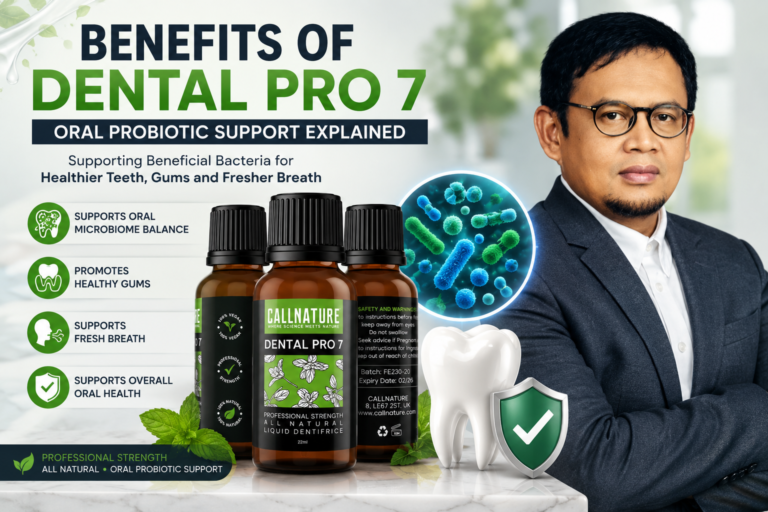
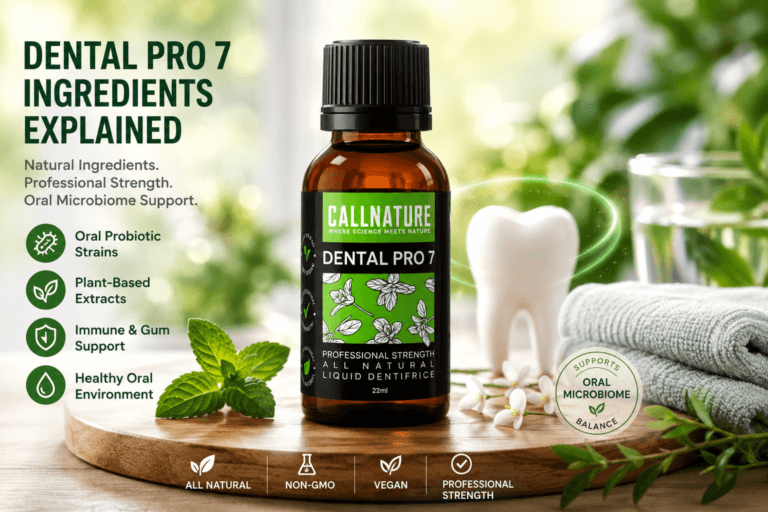
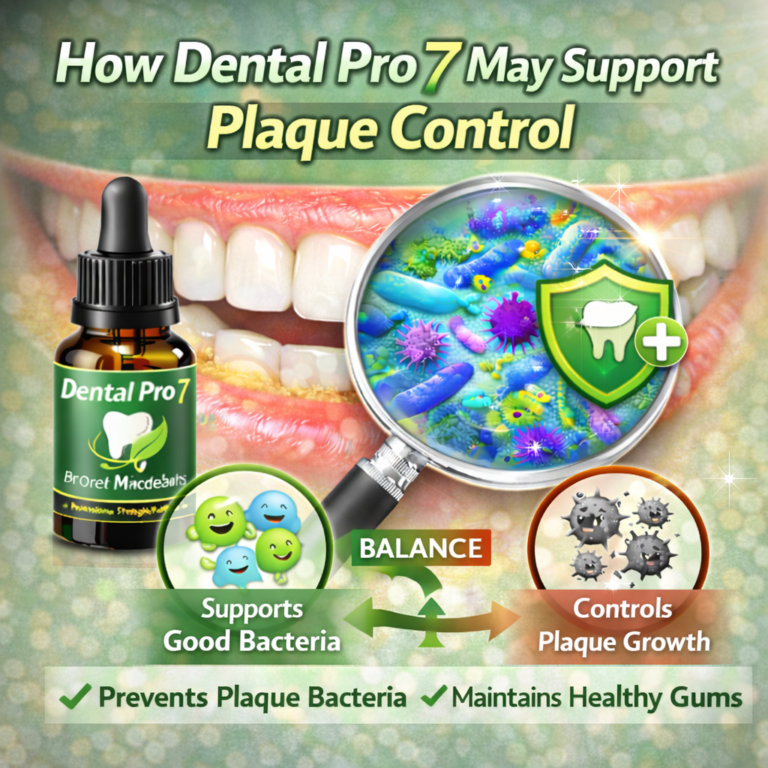
Educational product resources at dentalpro7.com describe oil-based gum concentrates formulated with botanical ingredients for targeted gumline support. These are presented as adjunct gum care tools, not medical treatments.
Herbal Mouthwash for Gum Infection Support — DIY Basic Formula
A simple home herbal rinse can be prepared safely.
Basic herbal rinse blend:
- sage or chamomile tea (strong brewed)
- pinch of salt
- cooled fully
Instructions:
- rinse 30–45 seconds
- do not swallow
- use fresh daily
- discard leftovers
Avoid essential oils unless properly diluted.
What Herbal Mouthwash Cannot Do
According to ada.org and nidcr.nih.gov, no mouthwash — herbal or conventional — can:
- remove tartar
- cure periodontitis
- reverse bone loss
- clean deep gum pockets
- replace professional scaling
Herbal mouthwash is supportive only.
Best Use Timing for Herbal Mouthwash
Dental hygiene training (.edu programs) suggests:
Use after:
- brushing
- flossing
- gumline cleaning
Avoid eating or drinking for 20–30 minutes afterward to allow contact time.
Safety Guidelines for Herbal Mouthwash
Follow these precautions:
- use diluted preparations
- avoid swallowing
- check allergy history
- stop if irritation occurs
- supervise children
- consult dentist if symptoms persist
“Natural” does not automatically mean irritation-free.
When to See a Dentist for Gum Infection Signs
Public health dental authorities (.gov and .org) recommend prompt dental evaluation if you notice:
- persistent bleeding
- swelling
- pain
- pus
- gum recession
- loose teeth
Do not rely on herbal rinses alone when infection is suspected.
Herbal Mouthwash for Gum Infection Support Options — Practical Plan
Most effective supportive approach:
✔ gumline brushing technique
✔ daily interdental cleaning
✔ salt water rinses
✔ herbal mouthwash use
✔ green tea support
✔ oil-based herbal gum concentrates
✔ hydration
✔ regular dental visits
Layered care produces better outcomes.
✅ FAQ – Herbal Mouthwash for Gum Infection
Q: Can herbal mouthwash cure gum infection?
A: No. It can support gum health but cannot replace professional dental treatment for true infection.
Q: Which herb is best for gum rinse?
A: Sage and chamomile are commonly used for soothing and antimicrobial support.
Q: Is herbal mouthwash safe daily?
A: Yes, when alcohol-free and properly diluted, but stop if irritation occurs.
 Gum Health Support Option — Dental Pro 7
 Gum Health Support Option — Dental Pro 7
If you are building a daily natural gum care routine, some people prefer adding an oil-based gum concentrate for longer contact time along the gumline — instead of quick rinse exposure.
Dental Pro 7 is a botanical gum concentrate designed to support gumline care using oil-based delivery and plant-derived compounds.
 Oil-based gum concentrate format
Targets gumline contact area
Botanical ingredient approach
No water dilution required
Easy to apply as part of daily routine
Many natural oral care routines include brushing, interdental cleaning, and optional gum concentrate support.