
Oral Microbiome and Breath Quality
The Relationship Between Oral Microbiome and Breath Quality
Oral Microbiome and Breath Quality: Have you ever brushed your teeth thoroughly, used mouthwash, and still noticed that your breath didn’t seem as fresh as expected a few hours later?
Many people assume that bad breath is simply a hygiene problem. While brushing and flossing are important, they represent only part of the story. A growing body of research suggests that breath quality is closely linked to the oral microbiome—the vast community of microorganisms that naturally live inside the mouth.
This ecosystem contains hundreds of bacterial species that interact with one another every day. Some microorganisms help maintain a stable environment, while others may contribute to unpleasant breath odors when conditions allow them to multiply excessively.
Understanding the relationship between oral microbiome and breath quality provides a more complete picture of why breath odor develops, how oral bacterial balance affects gum health, and what practical steps may support a healthier oral environment.
Research published through PubMed, NCBI, and various peer-reviewed journals suggests that microbial diversity and balance play an important role in oral health outcomes. Rather than focusing on eliminating all bacteria, modern oral health approaches increasingly emphasize maintaining a healthy oral microbiome.
What Is the Oral Microbiome?
The oral microbiome refers to the collection of microorganisms that inhabit the mouth.
These microorganisms include:
- Bacteria
- Fungi
- Viruses
- Archaea
- Other microscopic organisms
The mouth is one of the most biologically diverse environments in the human body. Scientists estimate that hundreds of bacterial species may be present within a single individual.
Where Do Oral Microorganisms Live?
Microorganisms colonize many different oral surfaces, including:
- The tongue
- Teeth
- Gum tissue
- Saliva
- The roof of the mouth
- Areas beneath the gumline
Each location provides unique conditions that support different microbial communities.
For example, the surface of the tongue contains numerous grooves and papillae that create ideal habitats for bacteria. This explains why tongue coating is often associated with breath odor.
Beneficial vs. Opportunistic Bacteria
One common misconception is that all oral bacteria are harmful.
In reality, many beneficial bacteria in the mouth contribute to oral microbiome health by helping maintain ecological balance. These organisms compete for space and nutrients, making it more difficult for less desirable species to dominate.
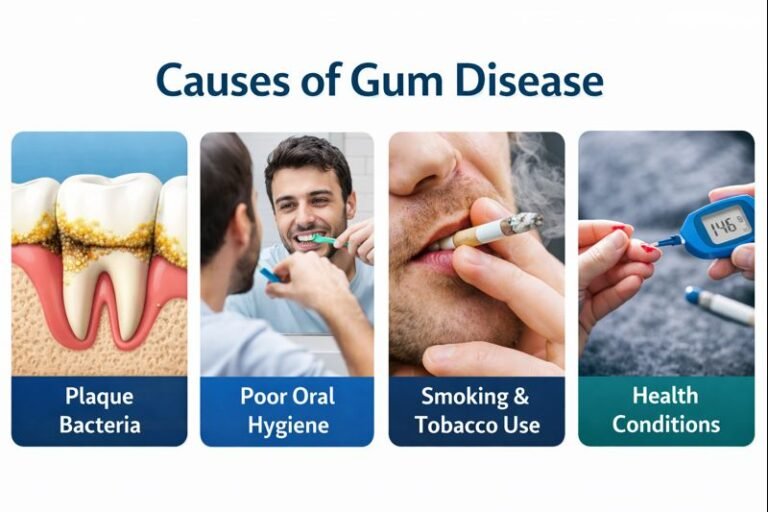
Problems may arise when oral microbiome balance becomes disrupted. When certain bacterial groups become disproportionately abundant, they may contribute to plaque formation, gum irritation, and breath-related concerns.
For readers interested in learning more about bacterial ecosystems in the mouth, Oral Microbiome and Dental Health: Why Bacteria Balance Matters provides additional background on this topic.
How Breath Quality Is Influenced by Oral Bacteria
One of the most frequently asked questions is:
How does the oral microbiome affect breath quality?
The answer largely involves bacterial metabolism.
As bacteria break down proteins, food particles, dead cells, and other organic materials, they release metabolic byproducts. Some of these compounds are harmless and odorless, while others can produce noticeable smells.
Volatile Sulfur Compounds (VSCs)
Researchers studying microbiome and halitosis often focus on a group of chemicals known as volatile sulfur compounds (VSCs).
Common examples include:
- Hydrogen sulfide
- Methyl mercaptan
- Dimethyl sulfide
These compounds are frequently associated with the sulfur-like odors commonly described as bad breath.
According to studies available through NCBI, elevated levels of volatile sulfur compounds are commonly observed among individuals experiencing persistent halitosis.
The Tongue’s Hidden Role
Many people spend considerable time brushing their teeth while paying little attention to their tongue.
This is one of the most overlooked aspects of oral hygiene.
The tongue’s rough surface provides an ideal environment for bacteria to accumulate. Food debris, dead epithelial cells, and proteins can become trapped within microscopic grooves.
As bacteria metabolize these materials, odor-producing compounds may increase.
This explains why tongue cleaning often plays an important role in breath management strategies.
Anaerobic Bacteria and Breath Odor
Certain bacteria thrive in environments with limited oxygen.
These organisms are known as anaerobic bacteria.
They commonly inhabit:
- Spaces between teeth
- Areas beneath the gumline
- Deep tongue crevices
- Periodontal pockets
Many bacteria that cause bad breath belong to this category.
When conditions favor their growth, production of odor-causing compounds may increase significantly.
The Connection Between Breath Quality and Gum Health
Breath quality and gum health are often discussed separately, but they are closely connected.
The same microbial communities that influence breath odor may also affect conditions around the gumline.
Oral Biofilms and Plaque Formation
Bacteria rarely exist alone.
Instead, they form organized communities called biofilms.
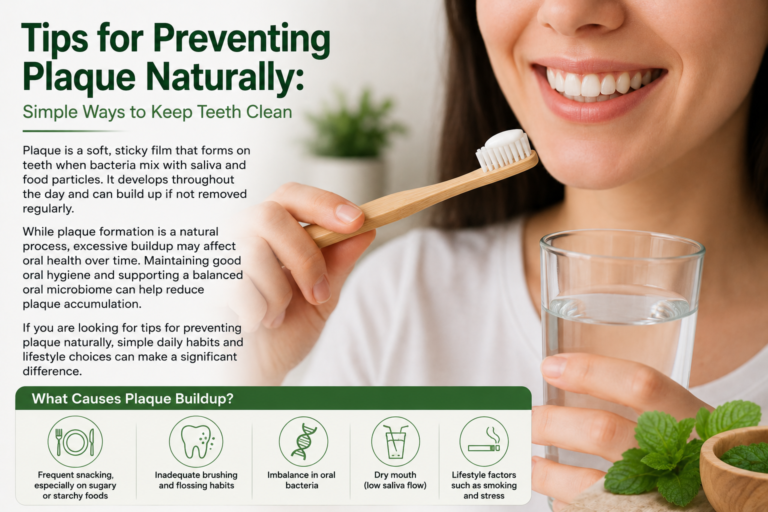
Dental plaque is one example of a biofilm.
Within plaque, bacteria communicate, share nutrients, and create protective structures that help them survive.
When plaque accumulates along the gumline, it may contribute to irritation and inflammation over time.
Research published in peer-reviewed journals suggests that changes in oral microbial composition are associated with various gum-related concerns.
Why Breath Changes Sometimes Appear First
An interesting observation often overlooked by competitors is that changes in breath quality may occasionally become noticeable before obvious gum symptoms develop.
This does not necessarily indicate disease.
However, it highlights how sensitive breath quality can be to shifts within the oral microbiome.
Some bacterial species produce odor-causing compounds long before visible changes occur in the gums.
This is one reason why persistent bad breath should not always be dismissed as a cosmetic issue.
Readers seeking more detail about this relationship may find How Oral Bacteria Affect Breath and Gum Health helpful.
Signs of an Imbalanced Oral Microbiome
An oral microbiome imbalance and bad breath frequently occur together, but several additional signs may suggest changes within the oral ecosystem.
Persistent Breath Odor
Bad breath that quickly returns despite brushing may indicate ongoing bacterial activity.
Increased Plaque Accumulation
Some individuals notice that plaque seems to reappear rapidly even after thorough cleaning.
This may reflect changes in oral bacterial balance.
Dry Mouth
Reduced saliva flow may create conditions that allow odor-producing bacteria to flourish.
Recurring Gum Sensitivity
Although occasional gum sensitivity can have many causes, recurring irritation may sometimes be associated with shifts in microbial populations.
Educational Insight
Supporting microbial balance rather than attempting to eliminate all bacteria has become an increasingly important concept in oral health research.
Individuals interested in learning more about maintaining oral bacterial balance may find Dental Pro 7 for Oral Microbiome: Supporting Healthy Bacterial Balance in the Mouth useful as an educational resource discussing microbiome-supportive approaches.
Common Factors That Affect the Oral Microbiome
The oral microbiome is constantly changing. Daily habits, diet, lifestyle choices, and even hydration levels can influence which microorganisms thrive in the mouth.
Understanding these factors may help explain why some people experience recurring breath concerns despite maintaining a seemingly good oral hygiene routine.
Oral Hygiene Habits
Oral hygiene practices directly affect microbial populations.
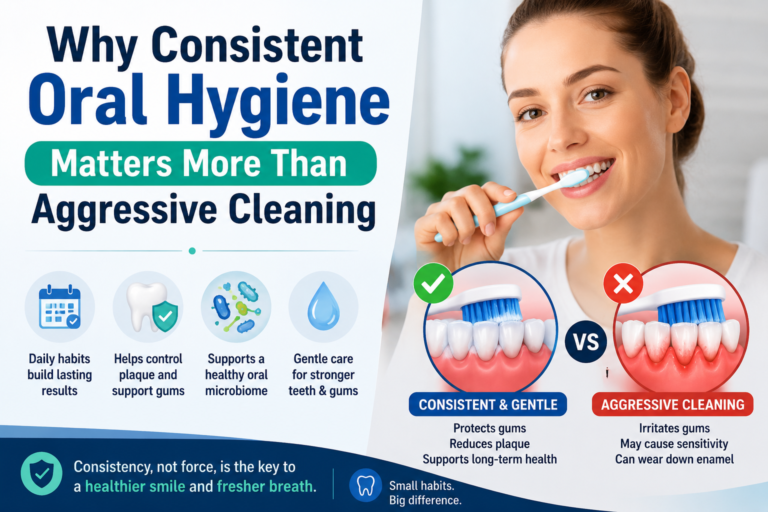
Brushing helps remove food debris and disrupt plaque biofilms, while flossing and interdental cleaning help reach areas that toothbrush bristles cannot access effectively.
One frequently overlooked habit is tongue cleaning.
Because the tongue contains numerous microscopic crevices, it can become a reservoir for odor-producing bacteria. Cleaning the tongue may help reduce bacterial accumulation and improve overall breath freshness.
Research discussed by the ADA suggests that comprehensive oral hygiene routines can contribute to healthier oral environments.
Diet and Nutrition
What you eat influences the oral microbiome almost immediately.
Frequent consumption of sugary foods may encourage bacterial populations associated with plaque formation. Sticky carbohydrates can also remain on tooth surfaces longer, providing additional fuel for bacterial metabolism.
On the other hand, diets rich in:
- Vegetables
- Fruits
- Fiber-rich foods
- Water
may help support a healthier oral ecosystem.
An interesting observation from oral microbiome research is that diversity often matters as much as bacterial quantity. A diverse microbial environment may be more stable and resilient than one dominated by only a few species.
Dry Mouth and Saliva Flow
Saliva is one of the mouth’s most important natural defense systems.
It helps:
- Wash away food particles
- Neutralize acids
- Support microbial balance
- Reduce bacterial overgrowth
When saliva production decreases, oral bacteria and breath odor concerns may become more noticeable.
Factors associated with dry mouth include:
- Certain medications
- Dehydration
- Aging
- Mouth breathing
- Some medical conditions
Research available through PubMed suggests that reduced salivary flow is often associated with increased breath-related complaints.
Smoking and Lifestyle Factors
Smoking can significantly alter the oral environment.
Studies referenced by the CDC have found that tobacco use may affect microbial composition, saliva production, and gum health.
Smoking may also contribute to:
- Increased plaque accumulation
- Changes in bacterial diversity
- Reduced oxygen levels in certain oral areas
These changes may create conditions that favor bacteria associated with unpleasant breath odors.
Can Supporting the Oral Microbiome Improve Breath Quality?

Many traditional approaches to bad breath focus primarily on killing bacteria.
However, modern oral microbiome research suggests a more nuanced perspective.
The goal may not be eliminating bacteria altogether. Instead, it may involve supporting oral bacterial balance and maintaining a healthy oral microbiome.
Why Balance Matters More Than Elimination
The mouth naturally contains beneficial bacteria for fresh breath as well as bacteria that may contribute to odor production.
Attempting to completely sterilize the mouth is neither realistic nor desirable.
Beneficial microorganisms may help:
- Occupy ecological niches
- Compete with less desirable bacteria
- Support oral ecosystem stability
This concept helps explain why researchers increasingly discuss oral microbiome balance rather than bacterial eradication.
Oral Probiotics and Breath Quality
Interest in oral probiotics and breath quality has grown substantially over the last decade.
Unlike digestive probiotics, oral probiotics are specifically designed to support microbial communities within the mouth.
Research suggests certain probiotic strains may support:
- Oral bacterial balance
- Breath freshness
- Oral microbiome health
However, results can vary among individuals, and additional studies continue to explore their long-term effects.
Readers interested in this emerging field may find Probiotics for Bad Breath: Can Beneficial Bacteria Help Freshen Breath? useful for further exploration.
Educational CTA
For individuals interested in learning more about oral probiotic concepts and microbiome-supportive strategies, you can explore Dental Pro 7 educational resources here:
This resource discusses approaches that may support oral bacterial balance alongside brushing, flossing, and professional dental care.
Practical Ways to Support a Healthy Oral Microbiome
While no single strategy guarantees fresh breath, several evidence-based practices may help support a healthier oral environment.
Brush Thoroughly and Consistently
Brushing twice daily helps remove plaque and food particles before they accumulate.
The ADA recommends using proper brushing techniques and replacing toothbrushes regularly.
Clean Between Teeth Daily
Interdental cleaning may help reduce bacterial buildup in areas where toothbrushes have limited access.
Options include:
- Traditional floss
- Interdental brushes
- Water flossers
Clean the Tongue
Because many odor-producing bacteria reside on the tongue, tongue cleaning may support fresher breath.
A tongue scraper may provide a simple and inexpensive addition to daily oral care routines.
Stay Hydrated
Adequate hydration supports saliva production and natural cleansing mechanisms.
Even mild dehydration may increase feelings of oral dryness.
Reduce Excess Sugar Consumption
Limiting frequent sugar exposure may help support oral bacterial balance and reduce conditions that favor plaque-producing bacteria.
Schedule Regular Dental Visits
Professional evaluations and cleanings may help identify concerns before they become more significant.
Regular visits also provide opportunities to discuss persistent breath concerns with a qualified dental professional.
Educational
Some people also choose supportive tools such as oral probiotics, tongue scrapers, or water flossers to complement their daily routine.
Amazon Products:
These tools are not substitutes for professional care, but they may support daily oral hygiene practices when used appropriately.
For additional information on fresh breath support, see Dental Pro 7 for Bad Breath: Oral Probiotics for Fresh Breath Support.
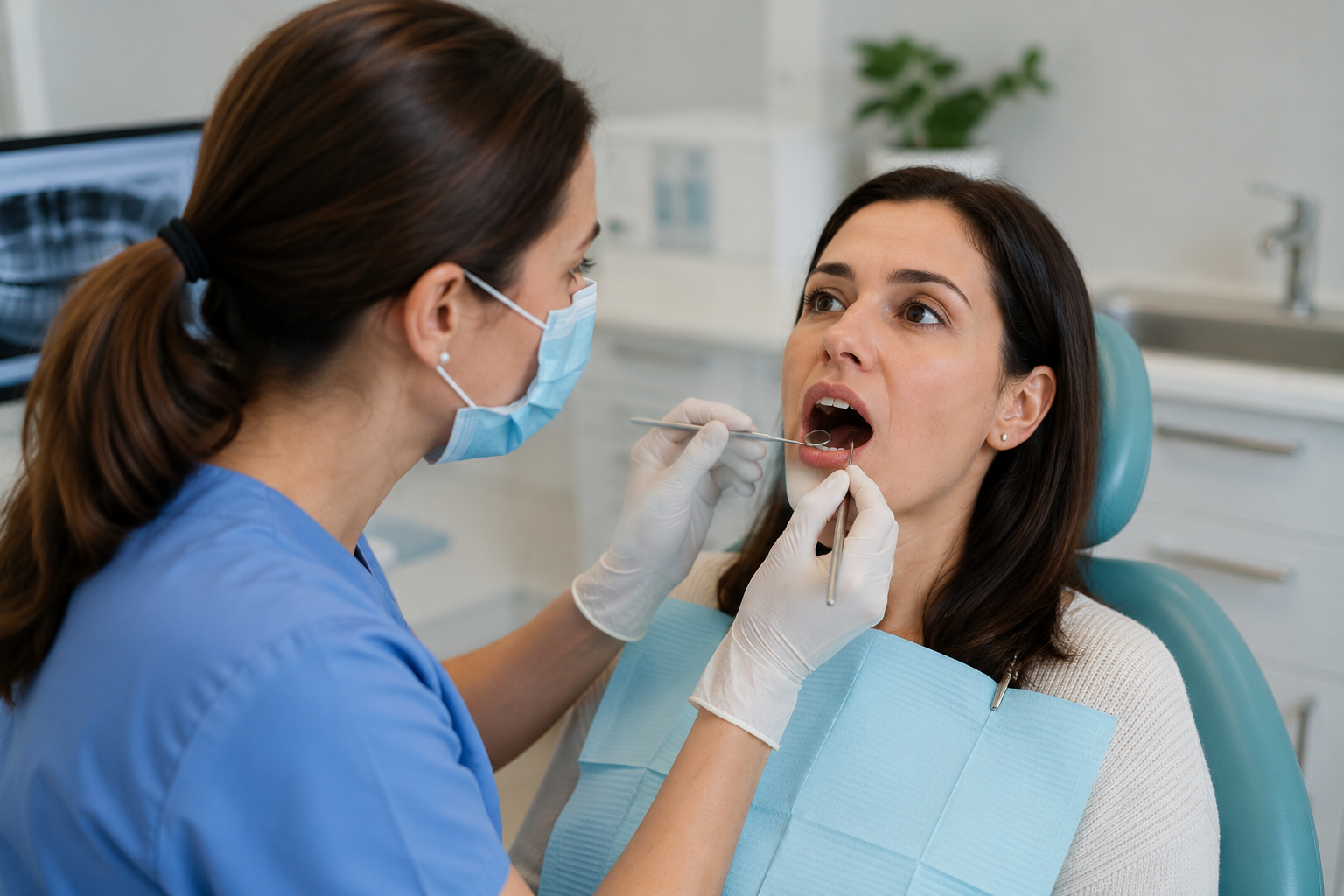
When Persistent Bad Breath May Need Professional Evaluation
Can oral bacteria cause bad breath?
In many cases, yes.
However, not every case of persistent bad breath originates exclusively from oral bacteria.
Professional evaluation may be appropriate when bad breath:
- Persists despite good oral hygiene
- Returns quickly after cleaning
- Occurs alongside gum concerns
- Is accompanied by significant dry mouth
- Appears suddenly without an obvious explanation
Persistent breath changes may occasionally be associated with factors beyond the oral microbiome, including sinus conditions, certain medications, or other health-related issues.
A dental professional can help determine whether oral bacterial factors, plaque accumulation, gum conditions, or other concerns may be contributing.
Conclusion
The relationship between oral microbiome and breath quality is more complex than many people realize.
Fresh breath is influenced not only by hygiene habits but also by the balance of microorganisms living throughout the mouth. While some bacteria produce compounds associated with unpleasant odors, beneficial bacteria in the mouth may help support a healthier and more stable oral environment.
Research from PubMed, NCBI, and other peer-reviewed sources suggests that maintaining oral microbiome balance may support both breath freshness and gum health.
Practical habits such as brushing, flossing, tongue cleaning, hydration, balanced nutrition, and regular dental visits may help promote a healthy oral microbiome over time.
Rather than focusing solely on eliminating bacteria, supporting oral bacterial balance may provide a more complete approach to maintaining long-term oral health.
FAQ
What is the connection between the oral microbiome and breath quality?
The oral microbiome contains bacteria that naturally live in the mouth. Certain bacterial species produce odor-causing compounds that can influence breath quality.
Can oral bacteria cause bad breath?
Yes. Some bacteria generate volatile sulfur compounds that are commonly associated with unpleasant breath odors.
What causes bad breath in the mouth microbiome?
Bad breath often develops when bacteria break down proteins, food debris, and dead cells, producing odor-related compounds.
How can I support a healthy oral microbiome?
Regular brushing, flossing, tongue cleaning, hydration, balanced nutrition, and routine dental visits may help support oral microbiome health.
Are oral probiotics beneficial for breath quality?
Research suggests some oral probiotics may help support oral bacterial balance and breath freshness, although results can vary.
Is bad breath always related to oral bacteria?
No. Dry mouth, medications, sinus conditions, dietary factors, and other health issues may also influence breath quality.
References
- PubMed – Research on oral microbiome and halitosis.
- NCBI – Studies examining volatile sulfur compounds and oral bacterial communities.
- American Dental Association (ADA) – Oral hygiene recommendations and patient education resources.
- Centers for Disease Control and Prevention (CDC) – Tobacco use and oral health resources.
- Peer-reviewed journals on oral microbiology, biofilms, and periodontal health.
About the Author
Author: Dental Pro 7 Ingredients Editorial Team
The Dental Pro 7 Ingredients Editorial Team develops evidence-based educational content focused on oral health, oral microbiome research, plaque management, and preventive dental care. The team reviews information from scientific literature, professional dental organizations, and peer-reviewed studies to provide balanced and accessible oral health education.
Disclaimer
This article is intended for educational and informational purposes only. It does not provide medical advice and should not be used as a substitute for professional diagnosis, treatment, or recommendations from a qualified healthcare provider. Always consult a dentist or healthcare professional regarding questions about your oral health.